Just looking for our Best Carpenter Website examples list?
Key Takeaways:
- Craft a website that converts and communicates your craftsmanship: A carpenter’s website should serve as more than a digital portfolio—it needs to establish credibility, showcase high‑quality visual work, and use targeted CTAs to drive quote requests and lead generation.
- Use natural tone palettes, high‑resolution imagery, and trusted design principles: Aesthetic choices like earthy wood tones, clean typography, and well‑lit project photography build trust and reflect your brand’s identity.
- Optimize for mobile performance and site speed: Ensure a responsive, mobile‑first layout that loads quickly and offers a top user experience on smartphones—key for both user satisfaction and Google’s mobile‑first indexing.
- Incorporate local SEO strategies tailored to carpentry: Use location-based keywords (e.g., “carpenter in Elmhurst, IL”), optimize your Google Business Profile, embed local map details, and include homeowner-centered content that answers common questions to drive local traffic.
- Balance DIY affordability with professional polish: While platforms like WordPress and Squarespace can be cost-effective and theme-based for initial setup, professional custom design offers flexibility and uniqueness as you scale.
- Showcase interactive and conversion-focused features: Project galleries, before/after sliders, testimonial pop-ups, and quote tools display your work and encourage visitor engagement and lead conversion.
- Keep your site fresh with ongoing content and maintenance: Update portfolio images, corporate testimonials, and blog posts regularly. Test forms frequently, and schedule site backups to ensure longevity and reliability.
Why Every Carpenter Needs a Well-Designed Website That Converts
Think a few jobsite photos and a phone number are enough for your carpentry business? Think again. Today, your website is often the first impression you make on potential clients—and it could be the last if it doesn’t measure up.
Your online presence should do more than showcase completed projects. A high-quality, well-designed carpentry website builds trust, communicates professionalism, and clearly explains the services offered. It’s your digital sales team working 24/7, helping you attract new leads while showcasing your best work with high-quality images and optimized navigation.
This guide will walk you through the critical elements of building a performance-driven website tailored specifically to carpenters. Whether you’re looking to make a website from scratch or improve your current one, you’ll discover how site design, strategic search engine optimization, and thoughtful user experience can grow your business and position you ahead of your competition.
If you want to create a website that looks good and works hard for your business, you’re in the right place.
Website Planning & Purpose: Laying the Groundwork for Online Success
Before diving into layouts or color schemes, every successful website starts with a solid plan. The planning phase should focus on clarity—what are your goals, who is your target audience, and what actions should visitors take once they land on your homepage?
Start by defining your primary goal. Are you trying to attract more local clients for custom furniture projects, drive inquiries for large-scale renovations, or position yourself as a premium service provider? Each goal influences your content, layout, and calls to action.
Next, map out your services in a way that’s easy to understand and visually appealing. List your offerings clearly and use supportive photos of completed projects and materials used. Make it easy for potential clients to see your specialties and how your craftsmanship sets you apart.
Think about your website from the visitor’s perspective. A user-friendly structure with intuitive navigation helps reduce friction and keeps users engaged. The goal is to create a seamless journey—from the homepage to service pages to the contact form.
This upfront strategy makes development smoother and ensures your site is built to generate measurable business outcomes. For a deeper look at the planning process for contractors, explore our home builder website design guide, which offers valuable parallels for carpentry professionals.
Design Principles: Turning Craftsmanship Into a Visual Experience
A website should reflect the same attention to detail and craftsmanship that goes into every project. Applying the right design principles is key to creating a website that’s visually appealing and effective in converting visitors into leads.
Start with layout consistency. Every page—from your homepage to your contact page—should follow a cohesive structure. Use a predictable layout with well-defined headers and sections, so visitors always know where to find what they need. Consistency builds trust and makes the site easier to navigate.
Use color strategically. Stick to a palette that complements the natural tones associated with woodworking—rich browns, soft grays, and warm neutrals. Avoid overly bright or clashing colors that can distract from your craftsmanship.
Typography should be clean and easy to read, especially on mobile devices. Use a clear hierarchy to guide the reader’s eye, with bold headers, subheaders, and straightforward body text.
Images are one of your strongest design assets. Use high-quality images of completed projects, materials used, and works in progress. These should be professionally lit, sharply focused, and aligned with your brand’s tone.
Whitespace matters. Don’t overcrowd your pages with text or imagery. Giving elements room to breathe helps focus the user’s attention and makes your carpentry work stand out.
Calls to action should be visually distinct and placed in logical locations throughout the site. Whether it’s a “Request a Quote” button on your homepage or a “Contact Us” form on your service pages, these touchpoints should guide users through their decision journey.
For more tips on elevating your online presence as a trades professional, check out our home services website design guide, which breaks down additional visual and structural best practices.
Content & Navigation: Structuring for Clarity and Conversion
Once your visuals are in place, your content and navigation should guide users through your site with clarity and intention. Professional websites must strike a balance between storytelling and practicality, providing enough context about your skills while making it easy for users to take action.
Start with clearly defined main pages: Homepage, About, Services, Portfolio (or Completed Projects), Testimonials, and Contact. Each page should serve a purpose. The homepage should capture attention quickly and direct users to your most valuable sections. Your About page should humanize your brand and build trust. The Services page needs to list each offering in plain language with links to subpages or examples. The Portfolio page showcases your craftsmanship, and Testimonials offer proof of client satisfaction.
Keep the main menu simple. A top-level navigation bar with no more than six items is ideal. Use intuitive labels—avoid jargon. Subpages can be organized using dropdowns or side navigation panels if needed, but every visitor should be able to find key info in three clicks or fewer.
Use headlines and bullet points to break up blocks of text, especially on service pages. Avoid burying important info. Be concise but informative—let photos and headlines do some of the heavy lifting. Add internal links that help visitors dig deeper into related services or read more about your approach.
Finally, think mobile-first. Navigation should remain sticky or accessible as users scroll. Test your site on various devices to ensure the layout, buttons, and text all function well across screen sizes.
For more inspiration on creating content that converts for skilled trades, view our full contractor website design guide.
Visual Elements: Showcasing Quality and Enhancing Trust
Visual elements play a powerful role in how your brand is perceived and how users engage with your website. For carpenters, where the product is visual by nature, this part of the design carries even more weight.
Start with high-resolution images of your completed projects. Use wide shots to show entire rooms or pieces and detail shots to highlight craftsmanship, joinery, or materials used. These images tell your story and demonstrate your attention to detail better than any paragraph could.
Incorporate client testimonial sections with headshots or icons for added credibility. If possible, feature your work in context—before-and-after photos, work-in-progress shots, or final installations all help prospective clients visualize your capabilities.
Video adds another layer of trust. A short intro video that shows your process, your team at work, or your workspace can humanize your brand and make you more approachable. Even time-lapse clips of your completed work can grab attention and set you apart.
Icons, infographics, and badges can support your content by making information more digestible. Use them to highlight service areas, warranty policies, licensing credentials, or certifications.
The visual style of your site should reflect your brand—clean, professional, and aligned with the aesthetic you deliver to clients. Every element should contribute to the experience, from background textures to image framing. Avoid clutter, use ample whitespace, and ensure all visuals load quickly and display properly on all devices.
By investing in purposeful, high-quality visuals, you build a stronger connection with visitors and create a sense of confidence in your work before they even pick up the phone.
Ongoing WordPress Maintenance: Keep Your Site Working Like It Should
Once your website is live, the job isn’t finished. Regular WordPress maintenance is essential for keeping your site fast, secure, and functional. A neglected website can quickly become outdated or vulnerable to security risks.
Start with updates. WordPress, themes, and plugins release updates frequently. Failing to install these can lead to compatibility issues or expose your site to bugs and threats. Enable automatic updates where safe and schedule regular checks to catch anything that needs manual attention.
Backups are your safety net. Set up daily or weekly backups depending on how often you update content. These backups should be stored off-site and tested occasionally to ensure they work when needed.
Security should be proactive, not reactive. Install a reliable security plugin, monitor login attempts, and use strong passwords for all admin access. Adding an SSL certificate is a must—it builds trust and protects your visitors’ data.
Monitor performance metrics regularly. Use tools to track loading speed, uptime, and crawl errors. If your site slows down or throws errors, fix the underlying issues before they impact your rankings or drive visitors away.
Maintenance also includes content reviews. Periodically update project galleries, refresh testimonials, and verify that forms and contact buttons still function as expected. Broken links or outdated content can make your business look neglected.
Consider a professional maintenance plan if you want peace of mind. It frees you to focus on your work while your website continues running at full strength behind the scenes.
Best Carpentry Service Website Design Examples
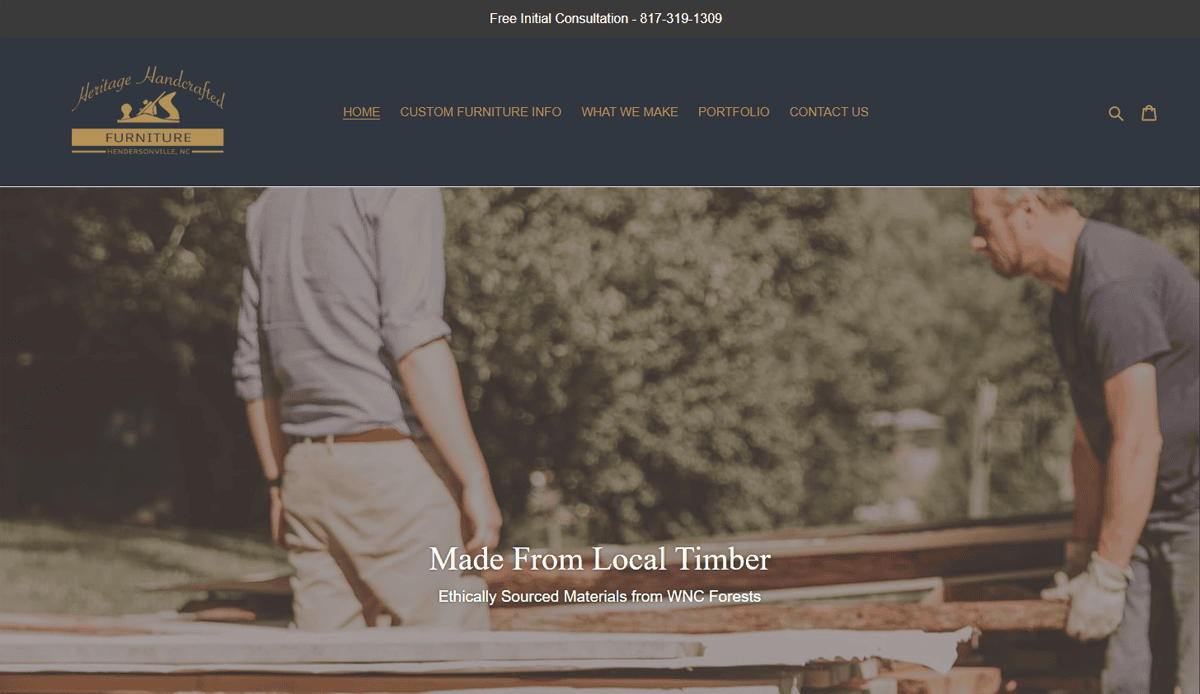
1. Heritage Custom Woodworks – Nashville, TN
- Clean layout with rich wood textures and high-resolution images of furniture design.
- Simple navigation that directs users to key carpentry services offered.
- Includes video testimonials to build trust and credibility.
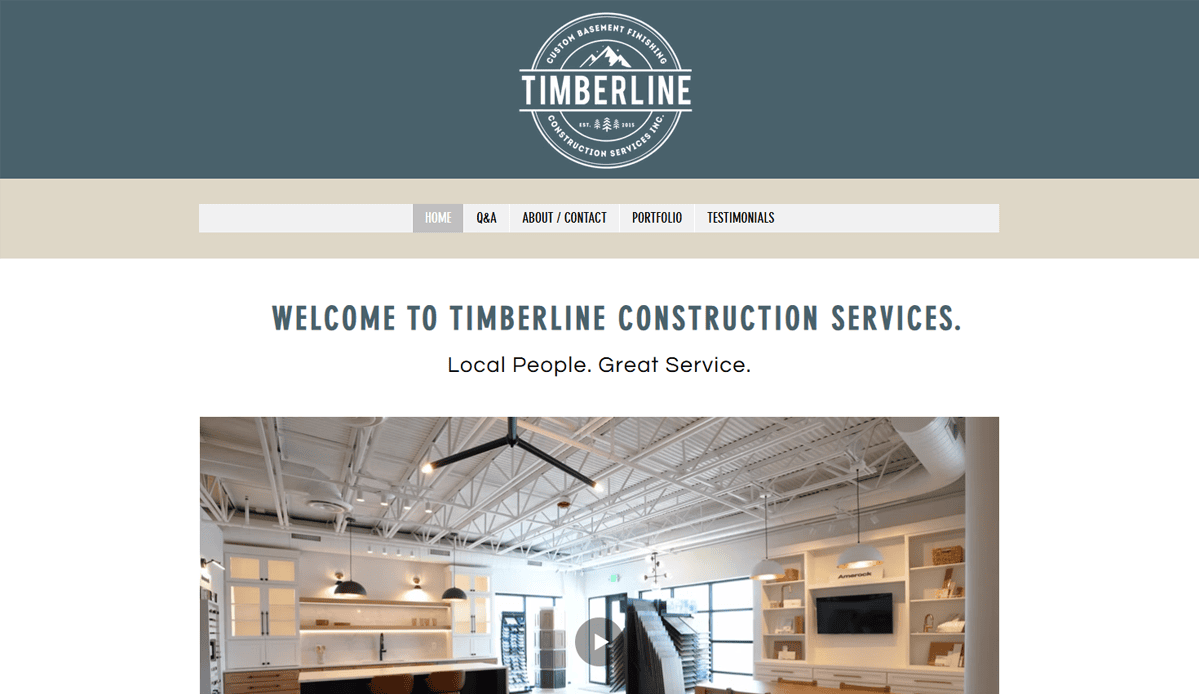
2. Timberline Carpentry – Denver, CO
- Portfolio website with detailed project breakdowns and material specs.
- Strong visual branding and consistent page structure.
- Optimized call-to-actions on every service page.
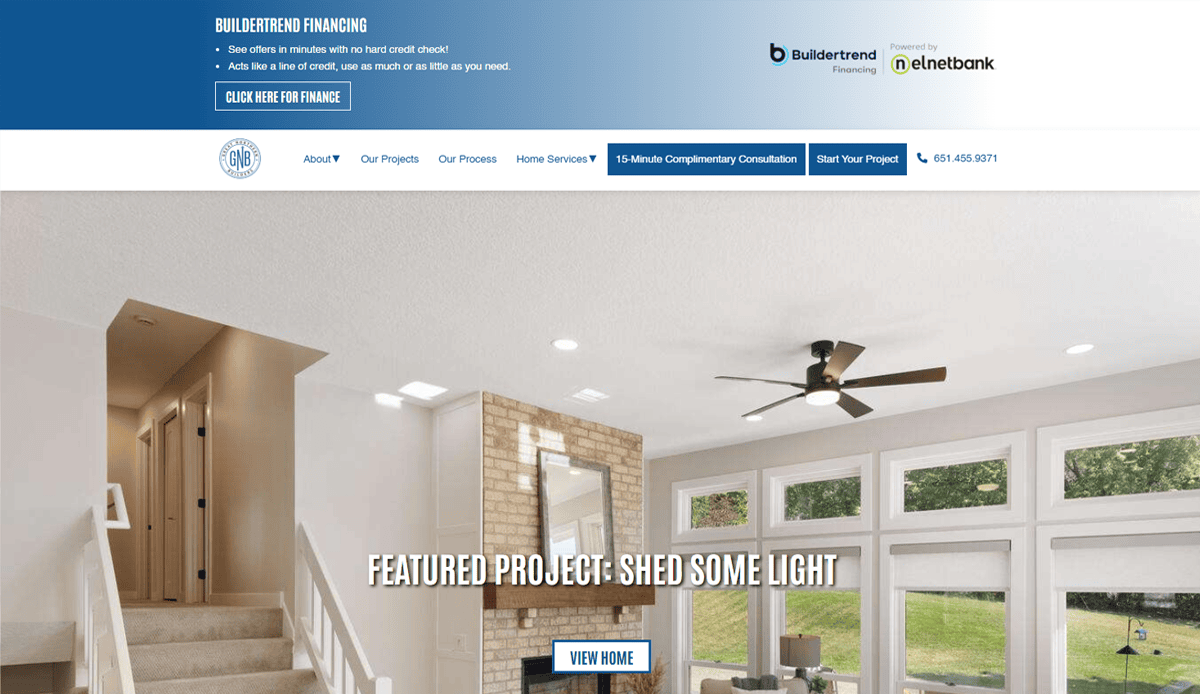
3. Great Northern Builders – Minneapolis, MN
- Strong homepage messaging with a focused value proposition.
- SEO-optimized for local and regional carpentry company search terms.
- Features a custom gallery to showcase your skills.
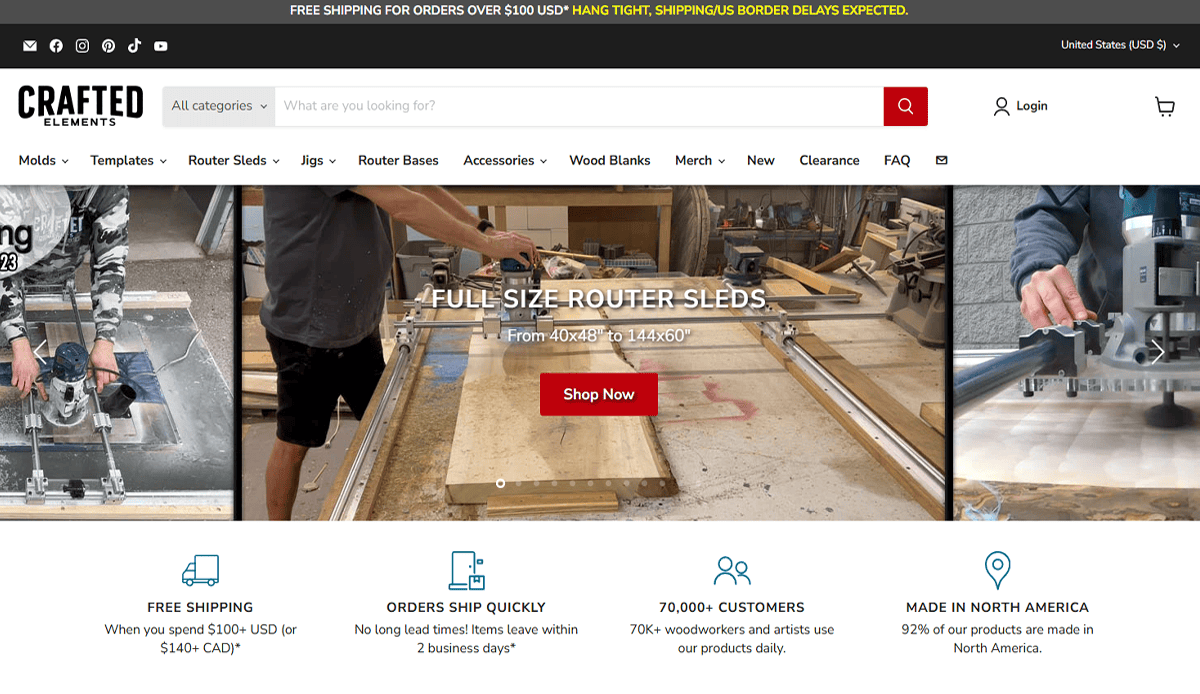
4. Crafted Elements – Raleigh, NC
- Custom woodworking online store built directly into the site.
- Each product page includes detailed specs and video demonstrations.
- Clear navigation that promotes both the services you provide and sales.
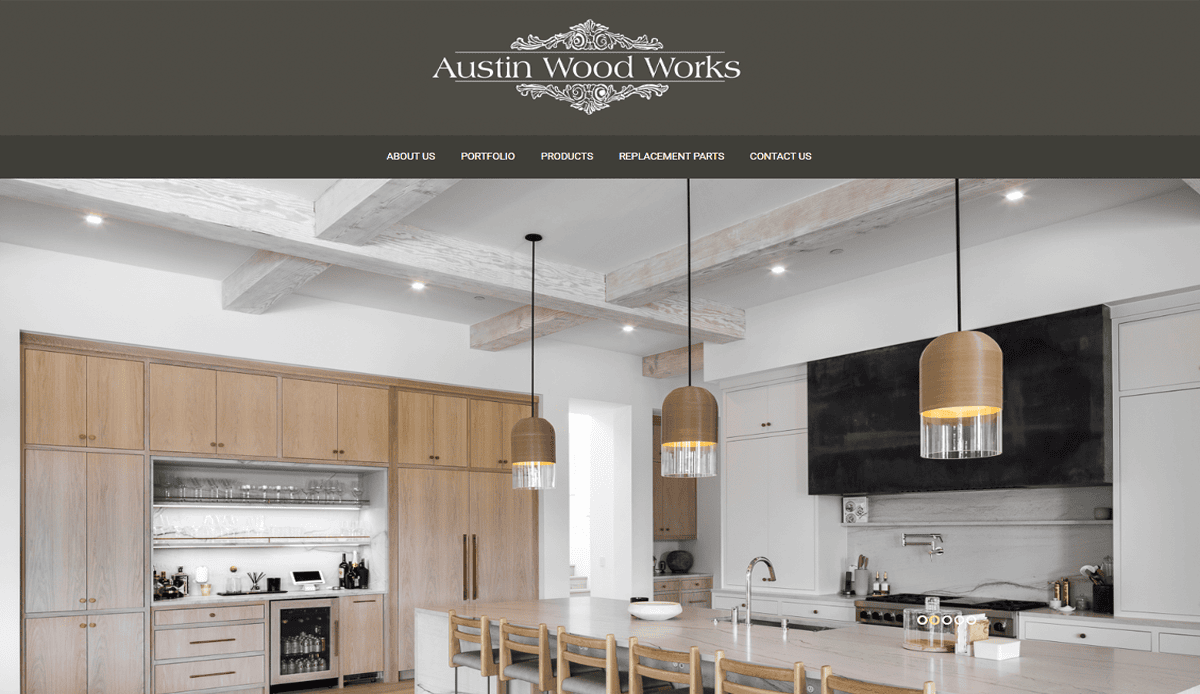
5. Austin Woodworks Inc. – Austin, TX
- Balanced use of graphic design and carpentry images.
- High-performance load speed and mobile-optimized layout.
- Emphasizes local service business trust signals.
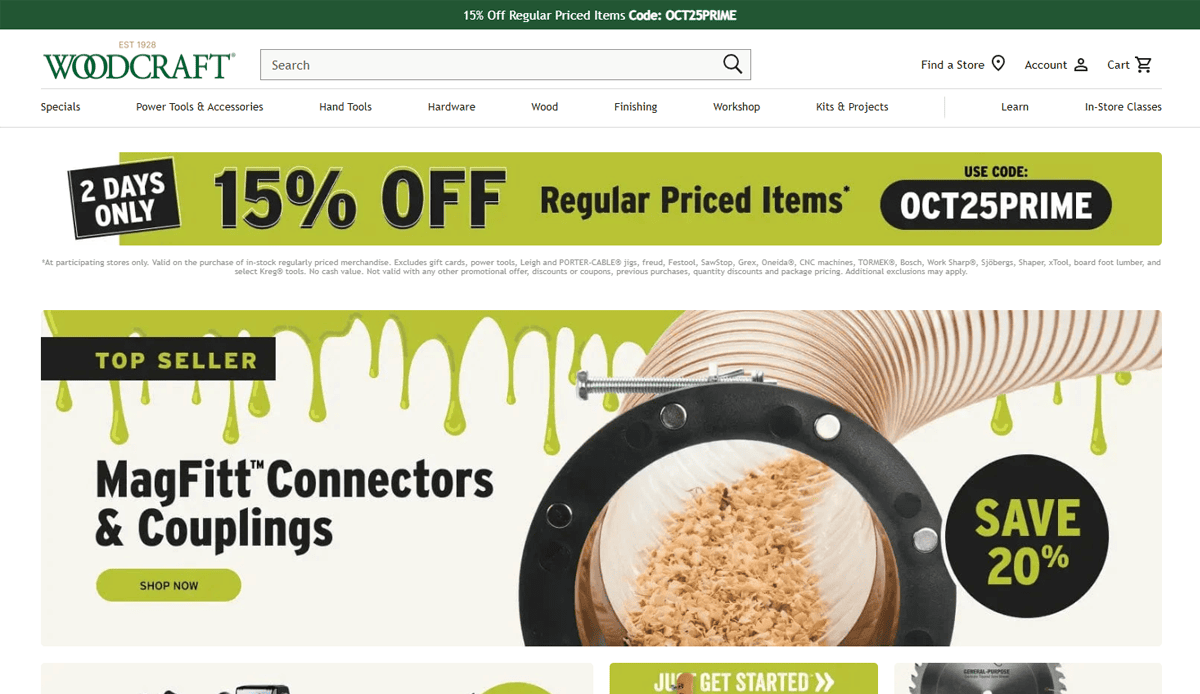
6. Woodcraft – Salt Lake City, UT
- Portfolio website focused on high-end cabinetry and built-ins.
- Branded image style reinforces a professional online presence.
- Clear service area page to enhance website visibility.
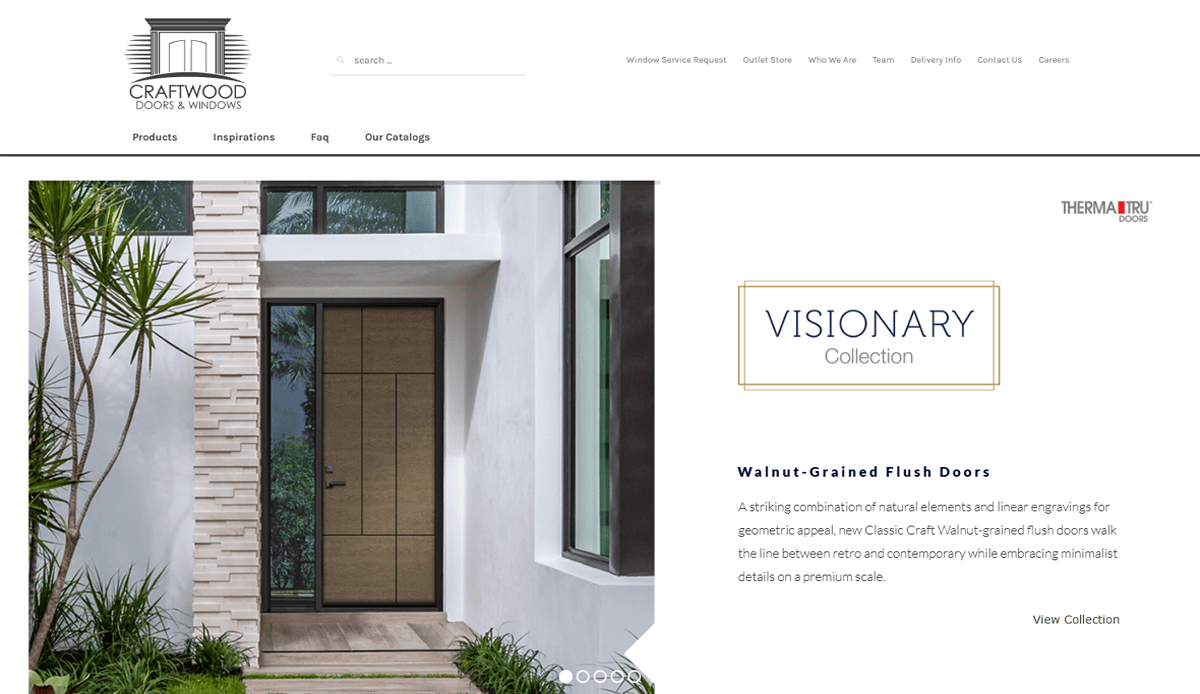
7. Craft Wood Doors & Windows. – Elmhurst, IL
- Strong SEO structure and service-oriented content.
- Localized landing pages boost search engine rankings.
- Uses testimonials throughout to promote your website.
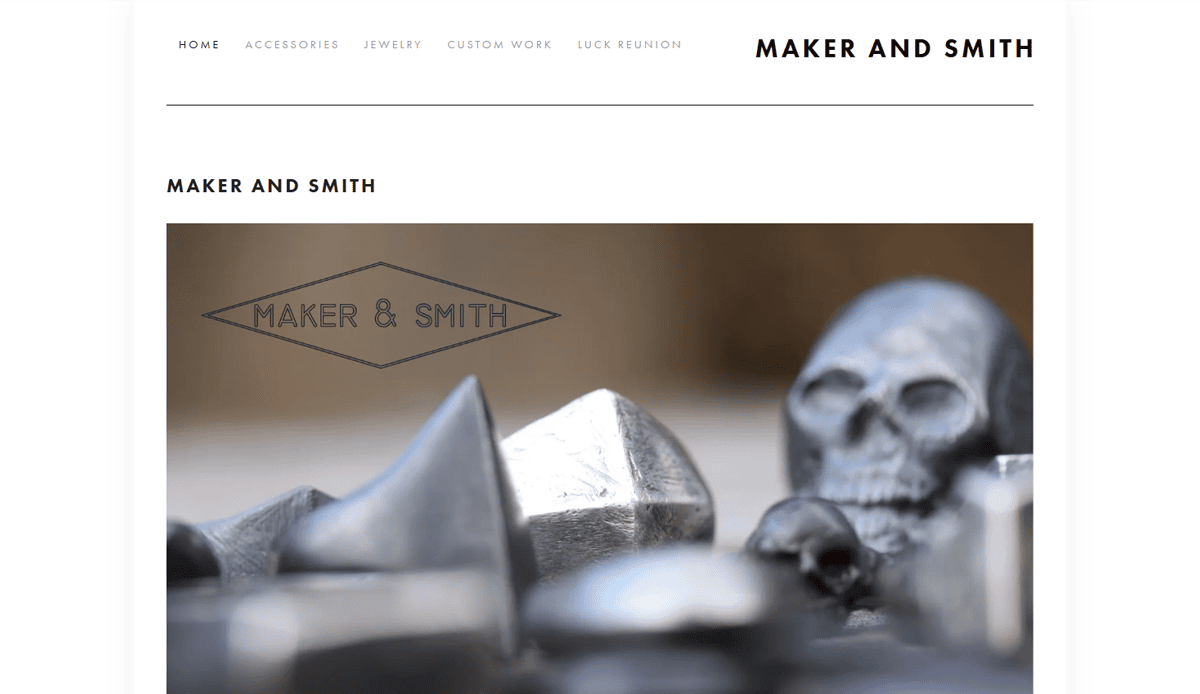
8. Maker & Smith – Portland, OR
- Simple design that highlights types of carpentry with ease.
- Uses interactive elements to filter projects by category.
- Strong visual hierarchy to showcase your skills.
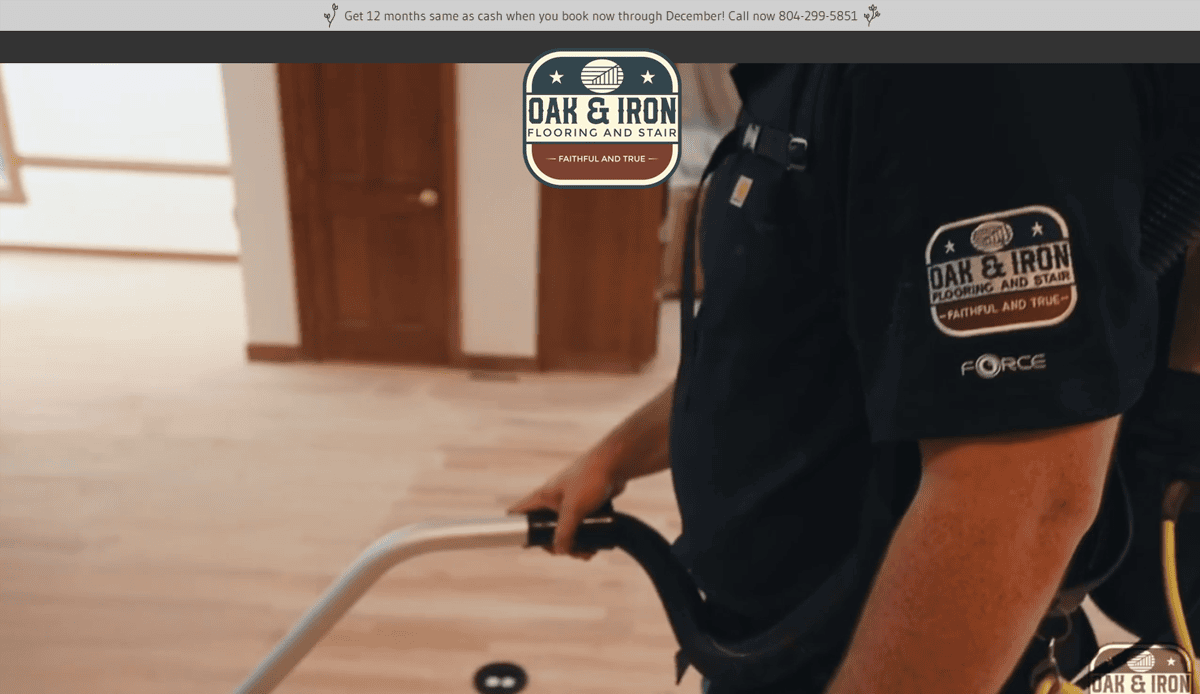
9. Oak & Iron – Richmond, VA
- Modern feel paired with a rustic touch to reflect brand identity.
- Optimized for both residential and commercial carpentry services offered.
- Clear CTA buttons help guide visitors toward conversions.
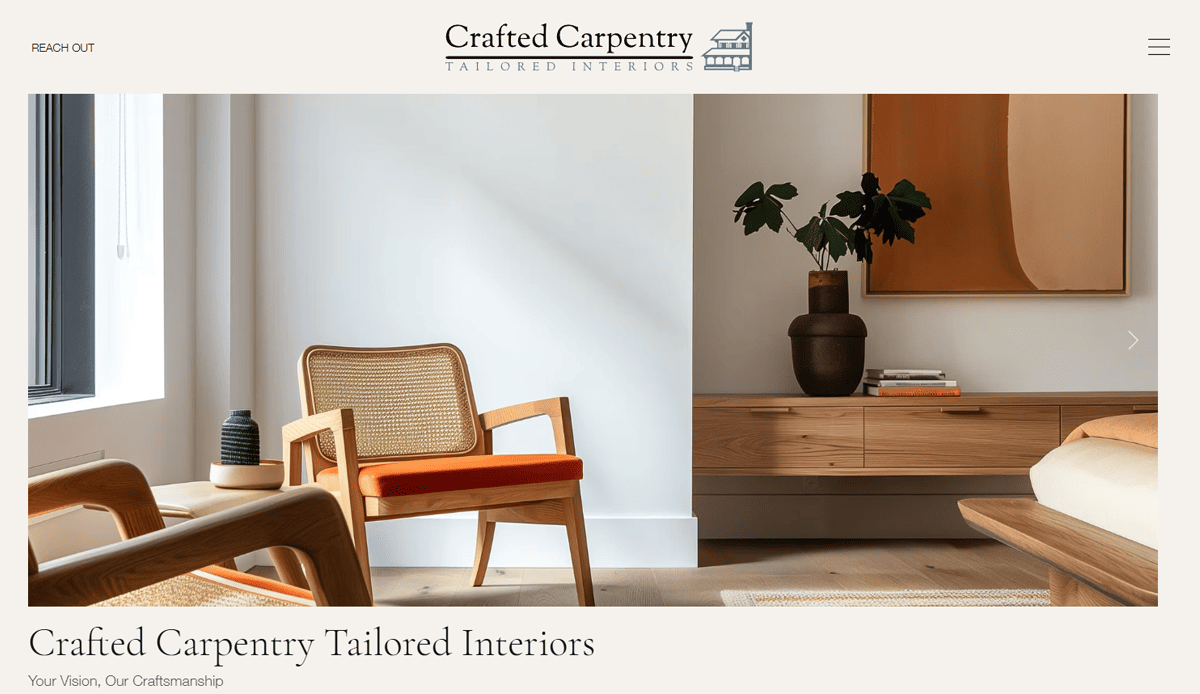
10. Crafted Carpentry – Chicago, IL
- Designed to showcase both carpentry products and services.
- Organized content for both homeowners and builders.
- Uses schema markup to enhance search engine visibility.
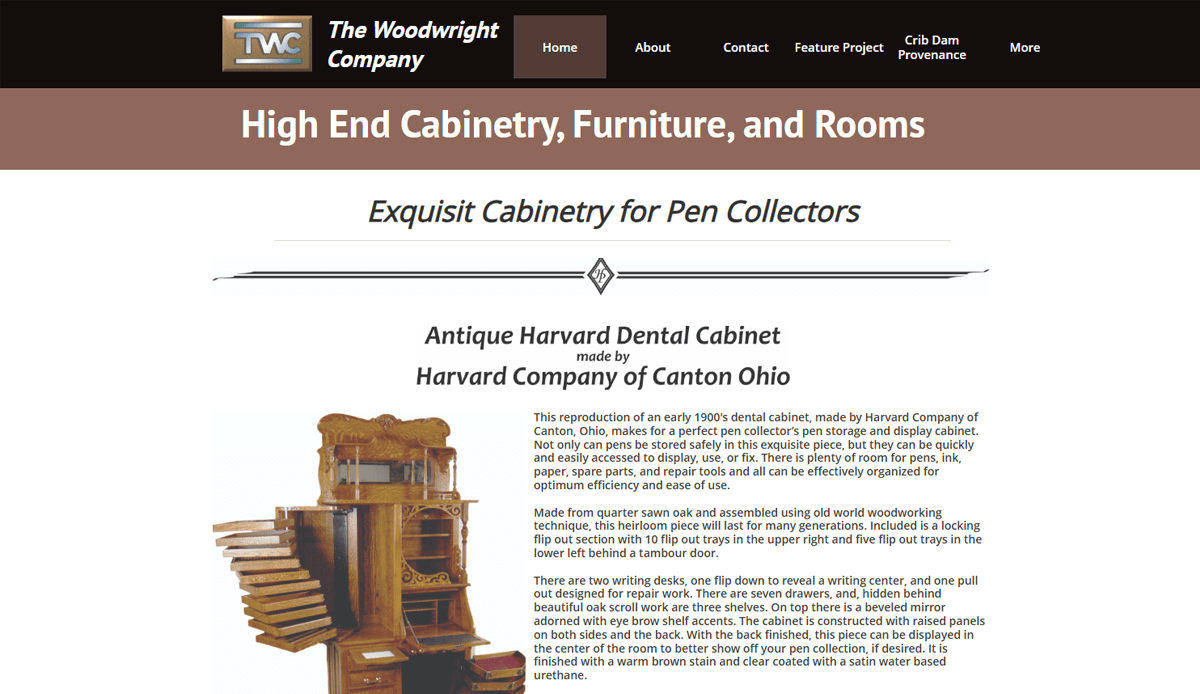
11. Woodwright Co. – Charleston, SC
- Well-structured navigation improves user engagement.
- Features large-scale images of custom woodworking projects.
- Includes a press/media page to highlight credibility.
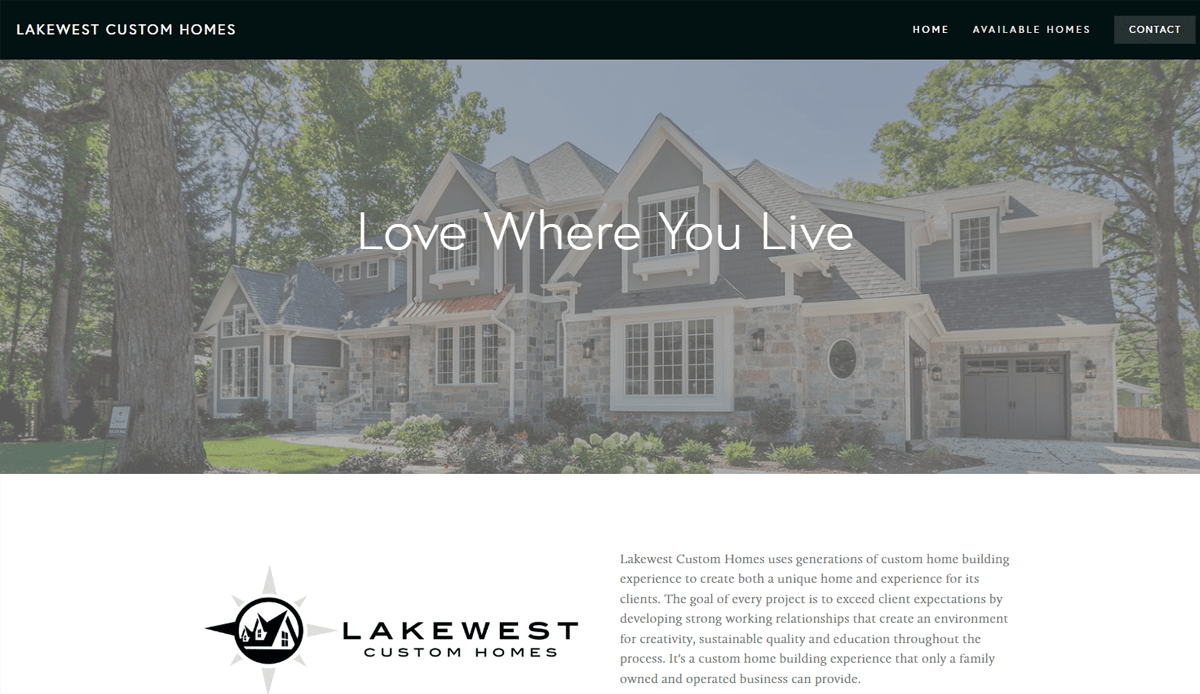
12. Lakewest Custom Homes – Naperville, IL
- A clean and modern interface that fits upscale clientele.
- Portfolio gallery loads quickly with filterable categories.
- Designed to help guide traffic toward lead forms.
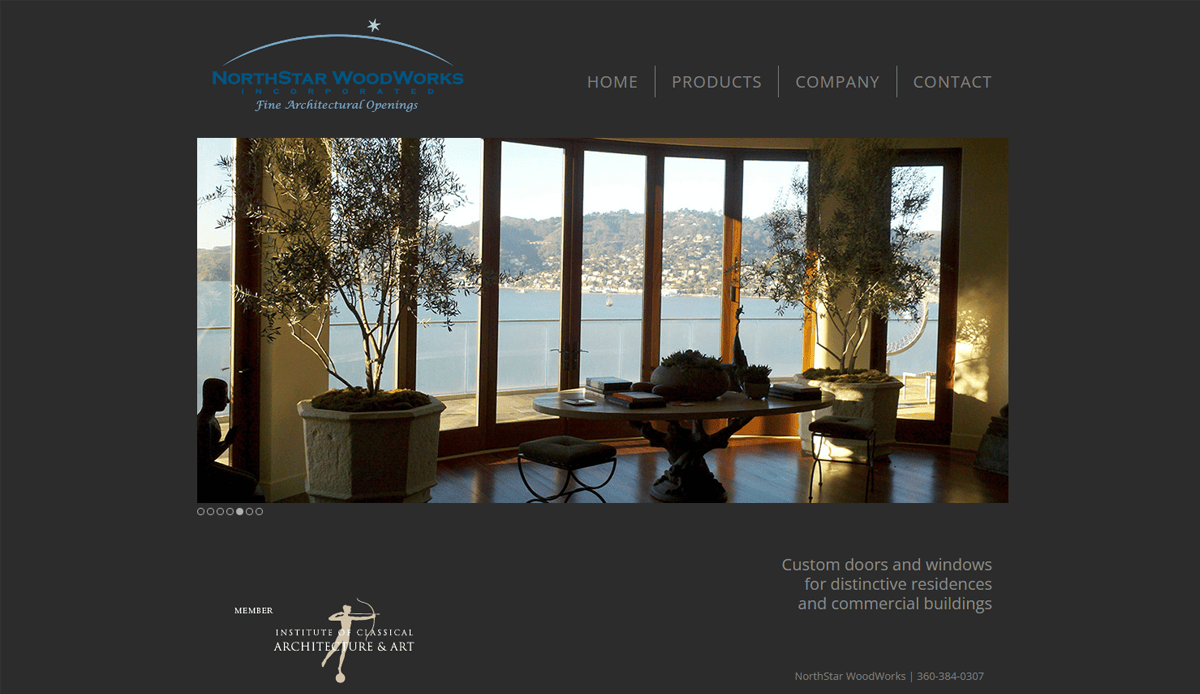
13. Northstar Woodwork – Boise, ID
- Includes interactive 3D walkthroughs of featured builds.
- Strong local content for Idaho-based search engine optimization.
- Blog covers carpentry projects and furniture design insights.
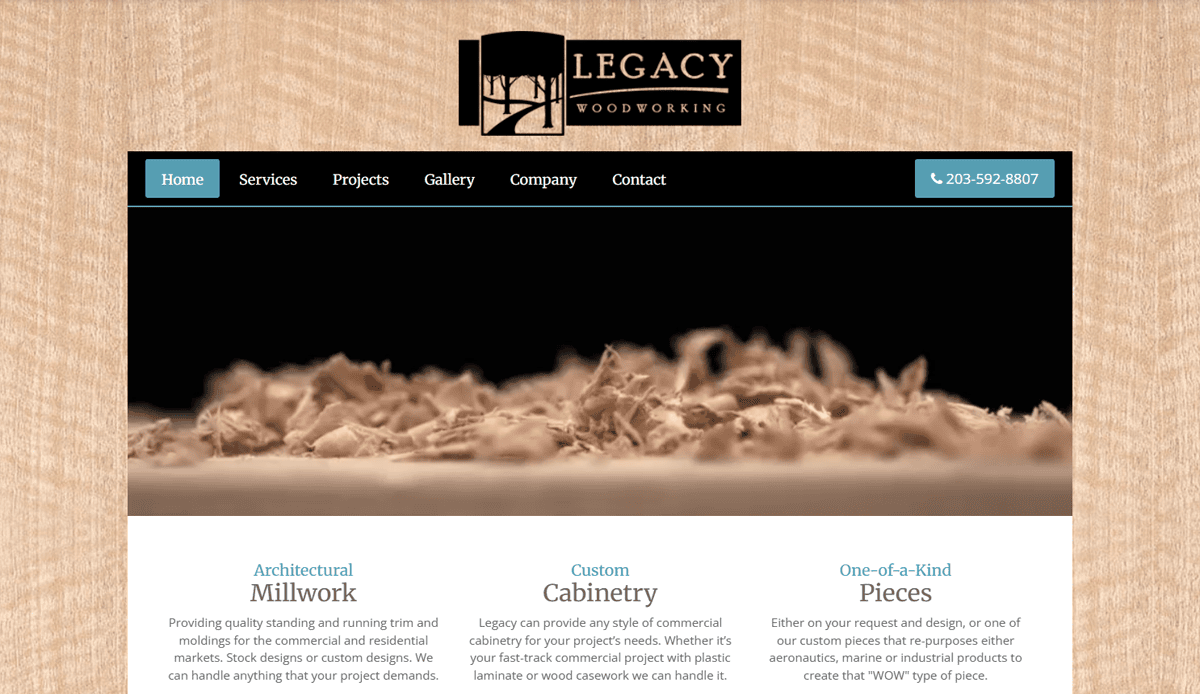
14. Legacy Carpentry – Midtown, CT
- Custom quote tool integrated directly into the homepage.
- FAQ and educational content to promote your website’s authority.
- Supports multiple types of carpentry services.
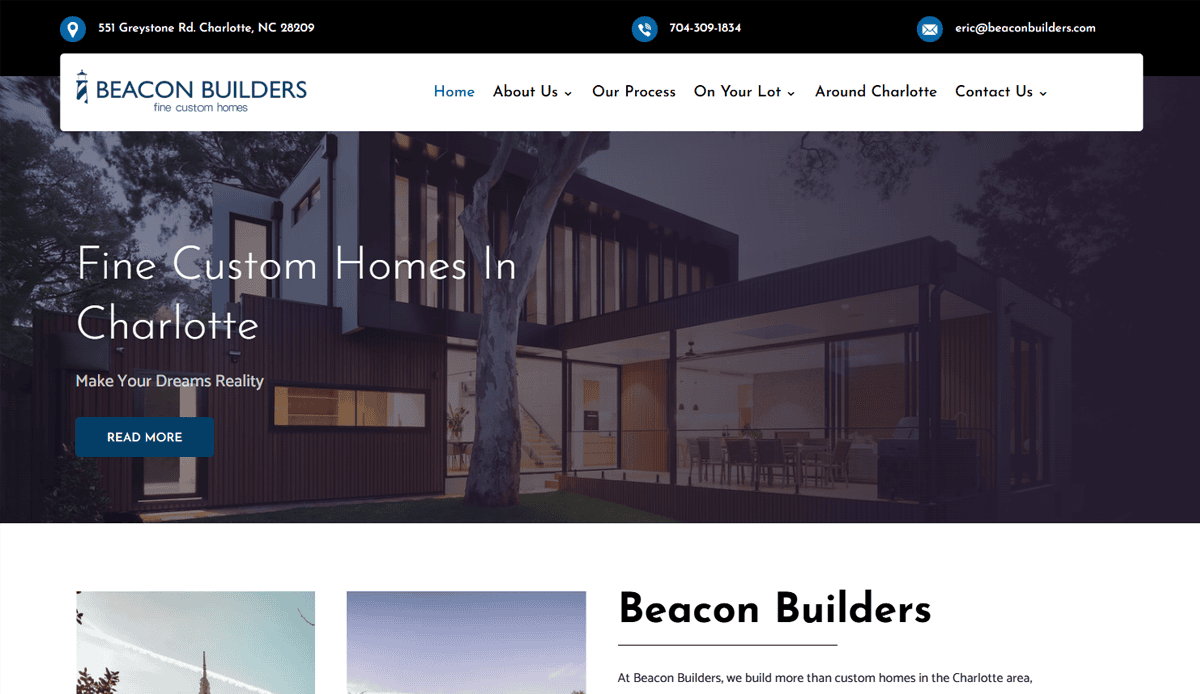
15. Beacon Builders – Arlington Heights, IL
- Homepage focused on the benefits of working with their carpentry company.
- Embedded project map shows local jobs completed.
- Built-in review system adds credibility.
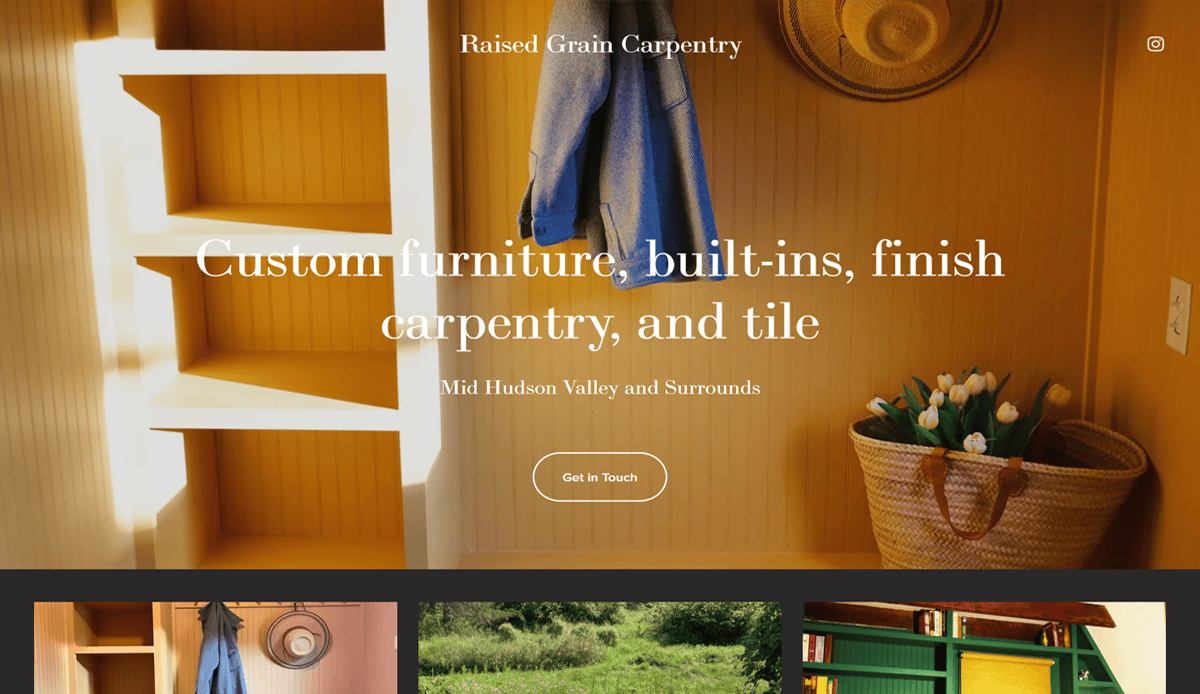
16. Raised Grain – Brooklyn, NY
- Uses lifestyle photography to appeal to upscale homeowners.
- Smooth transitions between sections create a luxury feel.
- Highlights sustainability practices through a badge system.
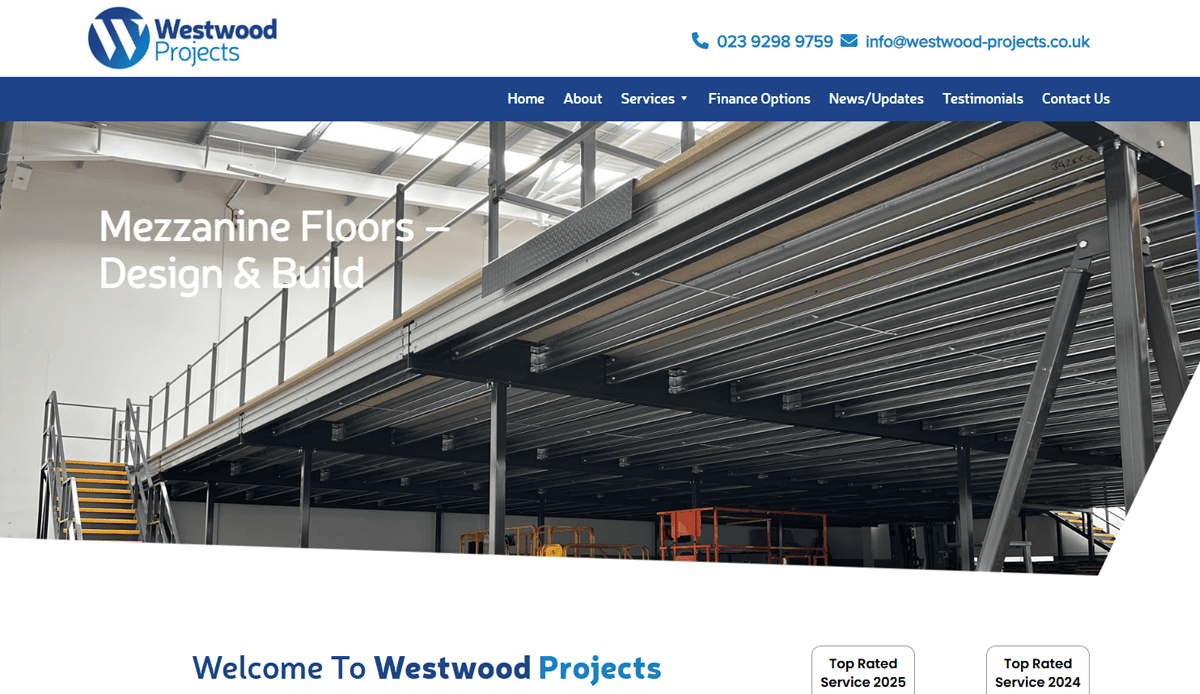
17. Westwood Projects – U.K.
- Includes a downloadable carpentry project planning guide.
- Responsive gallery with swipe interaction on mobile.
- Prominently features certifications and awards.
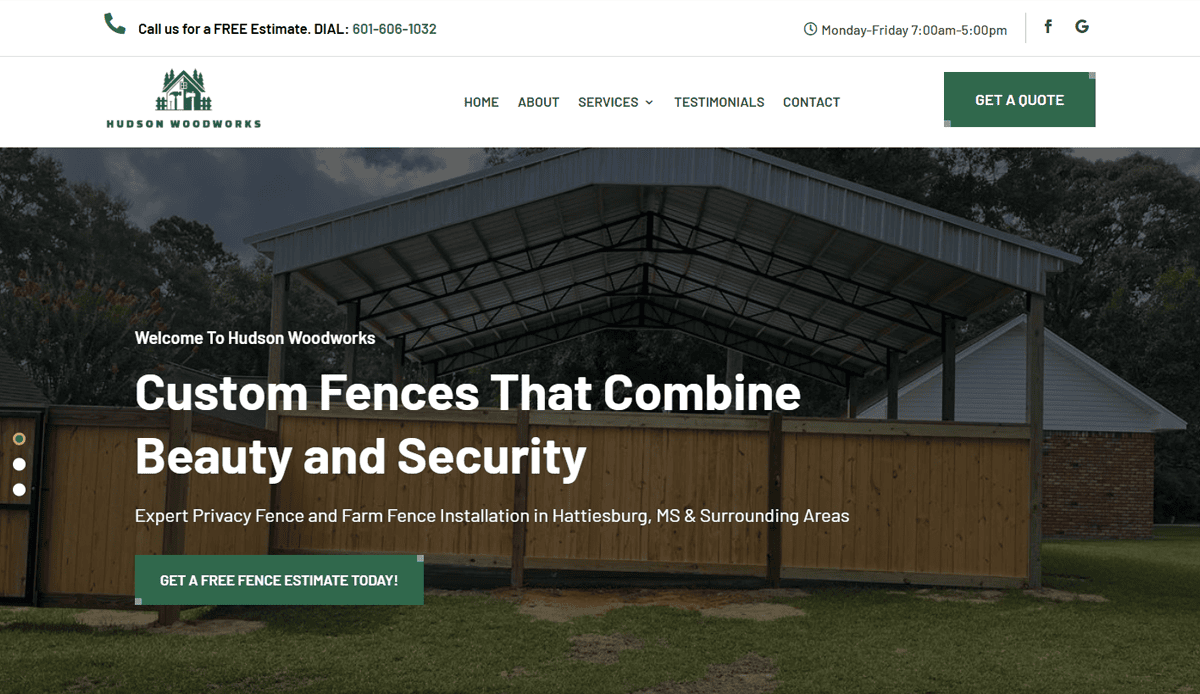
18. Hudson Woodworks – Hattiesburg, MS
- Focuses on craftsmanship with macro detail shots.
- Background storytelling throughout the site reinforces branding.
- Simple navigation is designed for high conversion.

19. Elevate Joinery – Boulder, CO
- Clean structure and minimal layout highlight woodworking skills.
- Strong calls-to-action for homeowners and contractors.
- Showcases a wide range of carpentry services you offer.
Ready to Build a Website That Reflects Your Craftsmanship?
A high-quality website isn’t just a portfolio—it’s a powerful tool that builds trust and credibility, showcases your best work, and helps generate new leads. Whether you’re starting from scratch or looking to optimize your carpenter website, now is the time to build something that truly reflects your skills and supports your business goals.
Don’t settle for a basic website template or a generic website builder. Get the structure, visuals, and SEO support needed to compete in the carpentry industry.
Contact our expert web design team today to get a custom strategy for building your website and turning visitors into long-term carpentry customers.
Frequently Asked Questions About Carpentry Site Design
What are the must-have pages on a carpenter’s website?
A successful carpenter website should include a homepage, about page, services offered, completed projects or portfolio, testimonials, and a contact page. These sections create a full picture of your carpentry company and allow you to promote your website effectively.
How do I optimize my carpenter website for local search?
Use location-specific keywords, register and optimize your Google Business Profile, and ensure your NAP (name, address, phone) info is consistent. Internal links to service pages and a dedicated location page also boost search engine rankings. For more tips, see our contractor SEO guide.
Should I use a website builder or hire a web designer?
A basic website builder can work as a short-term solution, but a professional web designer offers custom features, search engine optimization, and visual design that aligns with your brand. A high-quality website reflects the value of your carpentry services.
What kind of content helps attract new carpentry customers?
Focus on before-and-after images and videos of carpentry projects, highlight the types of carpentry you specialize in, and explain the carpentry services you offer. Blogs or tips related to furniture design, woodworking, and maintenance also drive website traffic.
How often should I update my carpenter website?
Update your website regularly with new project photos, customer testimonials, and relevant blog content. Keeping your website up-to-date shows that your business is active and trustworthy to potential clients.
How do I showcase my best carpentry work?
Create a dedicated portfolio website section featuring high-resolution images, detailed descriptions, and client feedback. This helps build trust and credibility and positions you as one of the best carpenter service businesses in your area.
What features improve the user experience on a carpenter site?
Fast loading speeds, simple design, responsive mobile layout, clear navigation, and well-placed calls to action all help promote your website effectively and ensure a smooth experience for your visitors.