
Just looking for our Best Personal Injury Website examples list?
Why Personal Injury Lawyer Website Design is a Game Changer
Today, a website is your most valuable business asset. For personal injury lawyers, where trust and credibility determine whether a potential client picks up the phone, a compelling and high-performing website can make all the difference.
A well-executed website does more than look professional—it builds confidence from the first click. It’s often the first interaction a visitor has with your personal injury law practice, and in those crucial few seconds, your website needs to communicate who you are, what you do, and why you’re the best choice to represent their case.
But great site design isn’t just about aesthetics. It’s about strategically guiding the user journey, reinforcing trust signals like testimonials and case results, and ensuring every interaction—from mobile to desktop—is seamless. It also means aligning your content and structure to optimize visibility on search engines so that you rank when your next client searches for help.
Whether you’re a solo attorney or part of a growing firm, investing in professional web design isn’t optional—it’s essential. This guide will walk you through the must-have features, SEO fundamentals, and UX strategies tailored specifically to personal injury lawyers who want to elevate their online presence, attract more qualified leads, and convert visitors into real clients.
Website Planning & Purpose: Laying the Foundation for Success
Before you even touch color palettes or typography, a successful website starts with intentional planning. The website planning phase is where strategy meets structure, ensuring every design element and piece of content serves a larger business goal. For law firms, this step is critical because your website must do more than just inform—it must convert.
The first question to ask is: What do you want your website to accomplish? For personal injury attorneys, the most common goals include generating qualified leads, educating visitors about your services, showcasing trust and credibility, and improving visibility on search engines. Aligning these goals from the outset informs every decision that follows—from navigation to page layout.
You’ll need to map out core pages like Home, About, Practice Areas, Testimonials, and Contact, as well as deeper resources like FAQs or blog articles focused on common client concerns. Each of these pages should be strategically developed to guide potential clients through the decision-making process.
Another essential part of planning is understanding your audience’s mindset. A visitor to a personal injury law firm website is often in distress, looking for fast answers and a lawyer they can trust. Your site must speak directly to their concerns, using clear messaging, empathetic tone, and intuitive navigation to reduce friction and build trust quickly.
Finally, structure your site with SEO in mind from day one. That means keyword research around your practice areas, optimizing page titles and headings, and planning for fast load speeds and mobile usability. These factors aren’t just nice-to-haves—they’re foundational to how search engines (and your future clients) find and evaluate your site.
For more insights into planning a law firm website that delivers results, explore our comprehensive services for attorneys and lawyers. Proper planning isn’t a step you can afford to skip—it’s the blueprint for turning your website into your most powerful marketing tool.
Design Principles: What Makes a Website Effective?
Designing a website demands function, clarity, and a conversion-focused strategy. A client in need of legal help is likely overwhelmed, stressed, and skeptical. Your site’s design must immediately establish trust, communicate professionalism, and provide an easy path to take the next step.
Clarity is King. Visitors must understand who you are and how you can help within seconds. A clean, uncluttered layout with intuitive navigation ensures users can find what they need—whether that’s information on your practice areas or a way to contact you—without unnecessary friction. Prioritize high-contrast text, digestible font sizes, and clear visual hierarchy to guide the eye through each page.
Trust is Visual. First impressions often determine whether someone calls your firm or clicks away. Your design should reflect credibility through consistent branding, professional headshots, testimonials, and legal awards or affiliations. Featuring a photo of the attorney or legal team humanizes your brand and reassures the visitor that they’re not dealing with a faceless entity.
Responsive Design is Non-Negotiable. With the majority of users browsing on mobile devices, your site must adapt seamlessly to different screen sizes. A mobile-first approach ensures potential clients have a smooth experience regardless of how they’re viewing your site, which also directly impacts your search engine performance.
Whitespace Works. Don’t fear empty space. Strategic use of whitespace improves readability, reduces cognitive load, and helps your calls-to-action stand out. It’s not about filling the page; it’s about focusing attention where it matters.
Calls to Action Should Stand Out. Whether it’s “Schedule a Free Consultation” or “Speak With an Attorney Today,” every page should guide users toward a single, compelling action. Use contrasting button colors, brief messaging, and thoughtful placement to increase conversions.
Design Should Serve Strategy. Your website is a tool—its effectiveness comes from how well it supports your business objectives. Every visual element, from layout to imagery, should be intentional and goal-driven.
To dig deeper into practical applications of these principles, check out our blog post on 4 Tips for a Successful Law Firm Website. Strong design isn’t just about aesthetics—it’s about building trust and turning visitors into clients.
Content & Navigation: Structuring Sites for Usability and Conversions
Effective website design hinges on two fundamental pillars: compelling content and intuitive navigation. These elements work together to ensure that visitors find the information they need but also feel confident enough to take the next step, whether that’s scheduling a consultation or picking up the phone.
Start with Clear, Client-Focused Content. Personal injury law is complex, and most site visitors aren’t legal experts—they’re everyday people seeking answers. Your content must be written in plain language, focusing on the needs and concerns of your potential clients. Avoid legal jargon. Instead, answer the questions your audience is asking: What does a personal injury lawyer do? What can clients expect in a consultation? How do contingency fees work?
Each page should have a clear purpose, whether it’s introducing your firm, detailing a specific practice area, or guiding someone to get in touch. Strong content builds trust and boosts your site’s performance. That means integrating relevant keywords naturally into headlines, page copy, and meta descriptions.
Organize Your Site Like a Case File: Logical and Easy to Follow. Your navigation should mimic the way users think—grouping similar topics together and avoiding cluttered menus. At a minimum, your main menu should include:
- Home
- About the Firm or Attorney
- Practice Areas (with dropdowns for each category, such as car accidents or medical malpractice)
- Testimonials or Case Results
- Blog or Resources
- Contact
Use breadcrumb trails and internal links to help users explore deeper content without losing their place. Don’t forget to keep the most important information—like your phone number or a consultation CTA—visible on every page, ideally in the header.
Content Should Be Action-Oriented and Trust-Building. Include real testimonials, results-driven case studies, and attorney bios that speak to both your expertise and your values. These elements humanize your firm and make visitors feel like they’re dealing with professionals who care.
Finally, your navigation structure and content strategy should be aligned with a broader marketing approach. From lead generation to brand positioning, everything you write and link should serve a larger goal. For deeper guidance on aligning content with firm growth, explore our insights on the best marketing strategies for law firms.
When content and navigation are done right, your website becomes more than just a digital business card—it becomes a trusted advisor and lead-generating engine for your firm.
Visual Elements: Designing for Trust, Clarity, and Brand Recognition
In personal injury law, trust is everything. And trust often begins with what users see within the first few seconds of landing on your website. Visual elements—images, color, typography, layout, and iconography—play a critical role in shaping how potential clients perceive your firm. A strong visual strategy supports the aesthetics of your website, its usability, emotional tone, and brand positioning.
Use Authentic Imagery to Humanize Your Firm. Stock photos of gavels and courthouse steps no longer cut it. Instead, feature real photos of your attorneys, your office, and your team in action. These visuals create a personal connection and build credibility. When someone’s considering who to trust with a serious legal issue, seeing your face and environment helps them feel more confident in your professionalism and approachability.
Leverage Color Psychology to Reinforce Your Brand. Personal injury law firms often benefit from color palettes that convey strength, trust, and dependability. Blues and dark grays suggest professionalism and stability, while accent colors like deep red can signal urgency or action. Consistent color use across your website reinforces brand recognition and helps create a cohesive visual experience.
Typography Matters More Than You Think. Choose fonts that are clean, legible, and appropriately sized for reading on both desktop and mobile. Avoid overly decorative fonts, especially in body text. Hierarchical typography—using different font sizes and weights for headers, subheadings, and paragraphs—guides the eye and helps users scan content more easily.
Layout Should Guide, Not Distract. Use a grid-based layout that keeps visual elements organized and aligned. Balance text with whitespace to avoid overwhelming visitors. Place calls-to-action in visually prominent locations without being intrusive. The goal is to lead the user naturally from one piece of content to the next without confusion or distraction.
Icons and Visual Cues Enhance Comprehension. Simple icons next to contact information, practice areas, or case types can help users quickly identify key services. They also break up blocks of text and make your content easier to digest. Just be sure they are custom or brand-aligned—generic clipart will dilute your credibility.
Ultimately, every visual element should support your larger goal: creating a website that feels trustworthy, easy to use, and tailored to the unique concerns of someone searching for a personal injury lawyer. When visuals align with content and user needs, your site becomes more than just informative—it becomes persuasive.
Ongoing WordPress Maintenance: Keeping Your Site Secure and Performing
Launching your WordPress website is just the beginning. To keep it secure, fast, and functioning at its best, ongoing maintenance isn’t optional—it’s essential. Without proper upkeep, even the most well-designed sites can become vulnerable to security breaches, performance issues, or outdated content that undermines credibility with prospective clients.
Security Updates Are Critical. WordPress regularly releases updates to its core software to patch security vulnerabilities. If these updates aren’t applied promptly, your site becomes an easy target for hackers. Plugins and themes also receive frequent updates, and failing to maintain them introduces risks that could compromise your entire site. For a law firm handling sensitive client inquiries and legal information, maintaining strong site security is a professional obligation.
Backups Protect Your Firm’s Reputation. Regularly scheduled backups ensure that if something goes wrong—whether it’s a plugin conflict, server issue, or accidental content deletion—you can quickly restore your site. For attorneys, downtime equals lost trust and missed leads. Daily backups stored off-site give you peace of mind and a reliable fallback plan.
Performance Monitoring Keeps You Competitive. A slow-loading website drives visitors away before they even see your services. Ongoing maintenance includes checking site speed, optimizing images, and cleaning up database clutter that can weigh your site down over time. These enhancements directly impact your search engine rankings and user experience.
Legal and Technical Compliance Requires Attention. Over time, privacy laws evolve, and accessibility standards shift. Regular reviews help ensure your site stays compliant with current ADA and data protection guidelines, both of which are especially relevant for personal injury attorneys serving the public.
Content Updates Build Trust and Boost SEO. Maintenance isn’t just technical. It also includes refreshing blog posts, updating team bios, and refining calls-to-action. Keeping content current signals that your firm is active, attentive, and in touch with client needs. It also strengthens your rankings in search engine results.
Maintaining your WordPress site isn’t busywork—it’s what keeps your digital presence secure, relevant, and optimized for growth. A website should never be a “set it and forget it” project. With routine maintenance, it becomes a reliable platform that consistently works to support your reputation and bring in new clients.
20 Personal Injury Website Design Examples to Inspire
Here are 20 outstanding personal injury law firm websites, including one designed by our design experts, each exemplifying excellence in design, user experience, and client engagement.

1. The McClellan Law Firm
Location: San Diego, CA
Key Takeaways:
- Exceptional branding with a clean grid layout.
- Integrated calls to action guide visitors seamlessly.
- Polished footer enhancing user navigation.
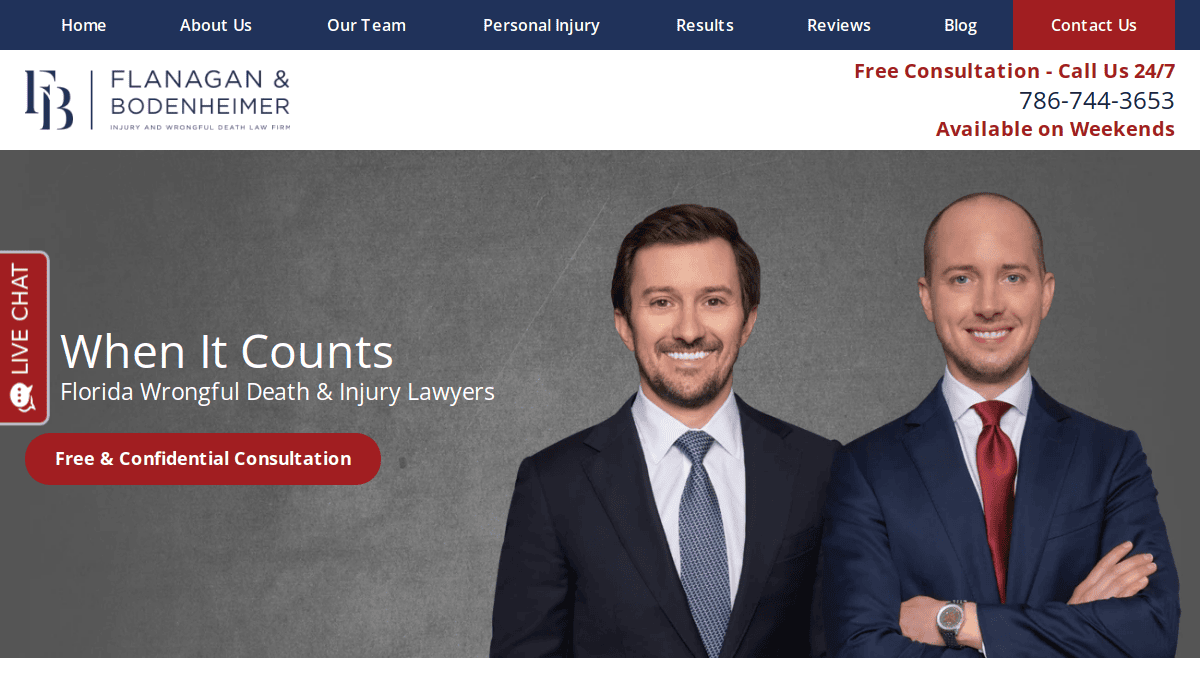
2. Flanagan & Bodenheimer
Location: Miami, FL
Key Takeaways:
- Professional red, white, and blue color scheme.
- Integrated chat widget for immediate client engagement.
- Excellent navigation facilitates the user experience.
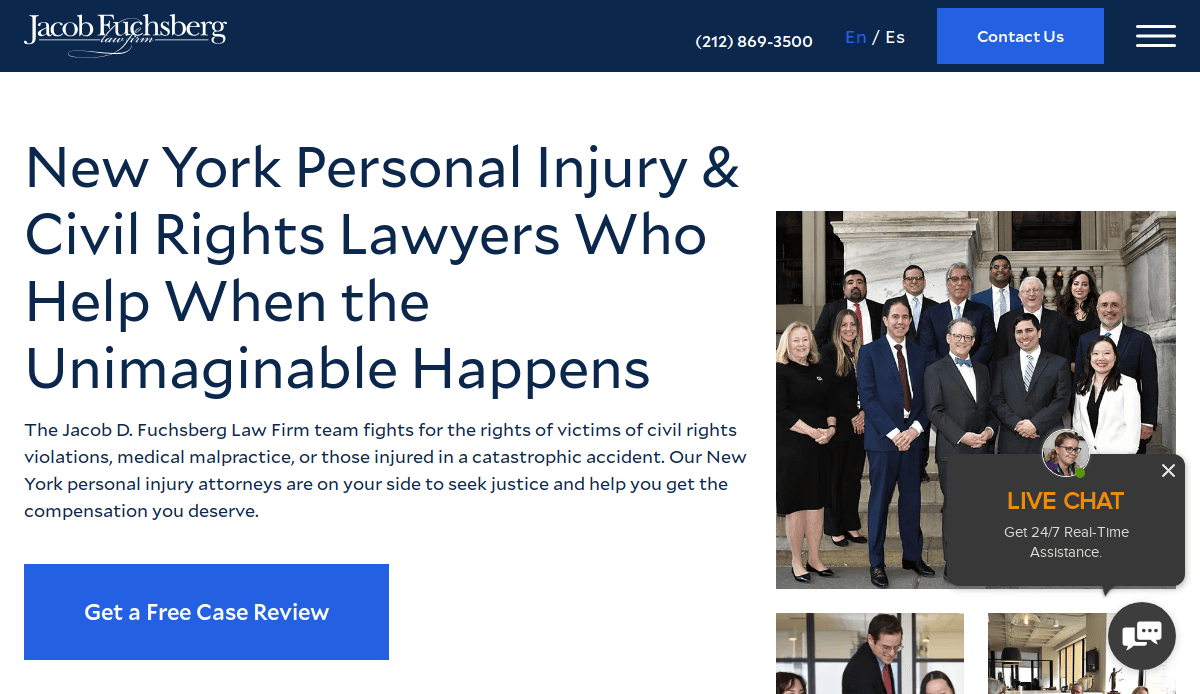
3. Jacob D. Fuchsberg Law Firm
Location: New York, NY
Key Takeaways:
- User-friendly interface blending tradition with innovation.
- Visually engaging layout with easy navigation.
- Effective communication of the firm’s values and legacy.
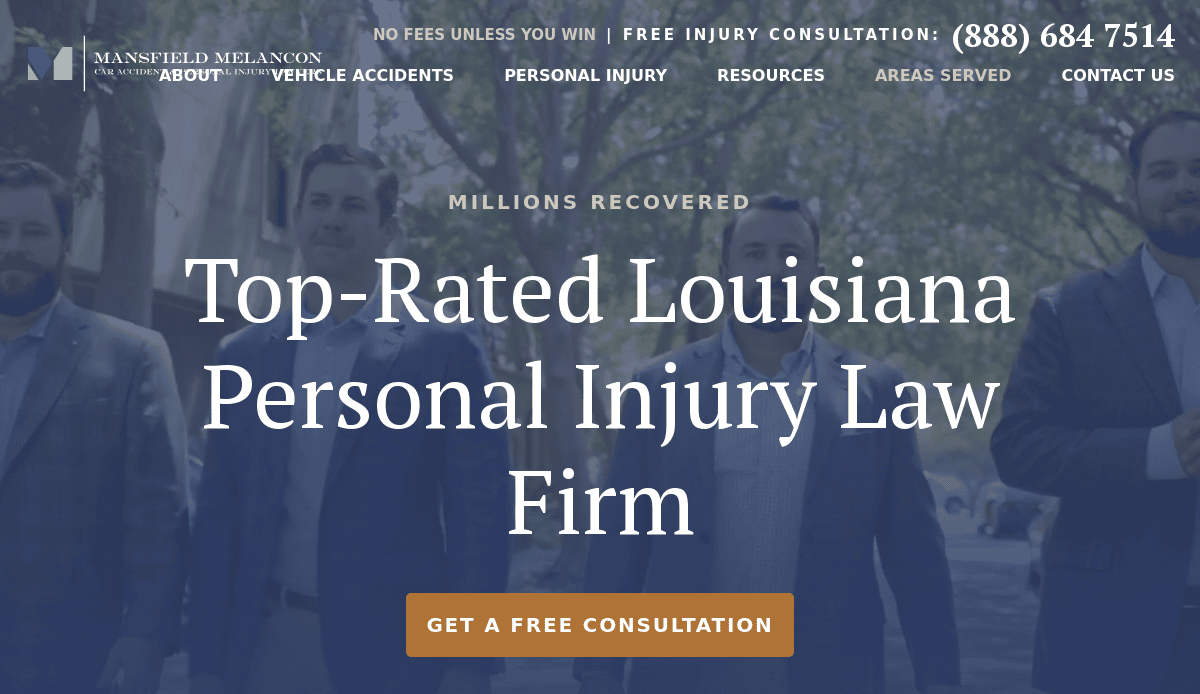
4. Mansfield Melancon Cranmer & Dick Injury Lawyers
Location: Baton Rouge, LA
Key Takeaways:
- Visually compelling layout makes a strong impression.
- Clear, concise content showcasing legal services.
- User-friendly design ensures easy information access.
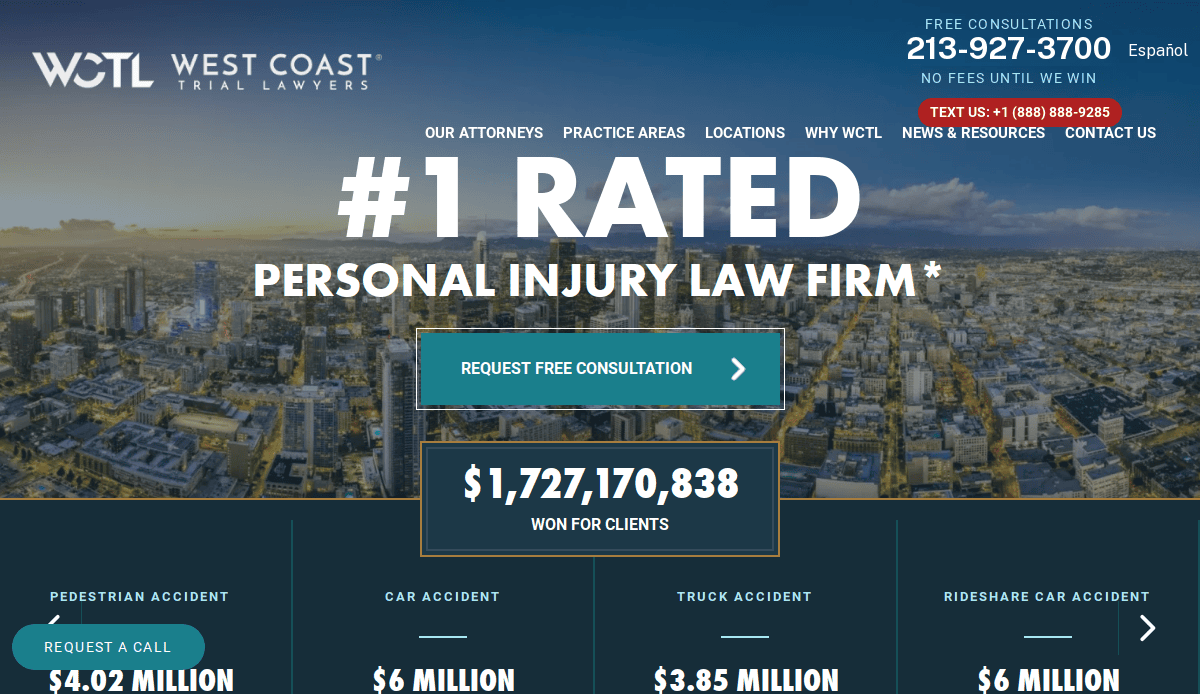
5. West Coast Trial Lawyers
Location: Los Angeles, CA
Key Takeaways:
- User-friendly interface with comprehensive legal resources.
- Emphasis on client success stories and attorney expertise.
- Easy access to consultation services.

6. Carpenter & Zuckerman
Location: Beverly Hills, CA
Key Takeaways:
- Clean, modern design with intuitive navigation.
- Strong emphasis on client testimonials and case results.
- Responsive design optimized for all devices.
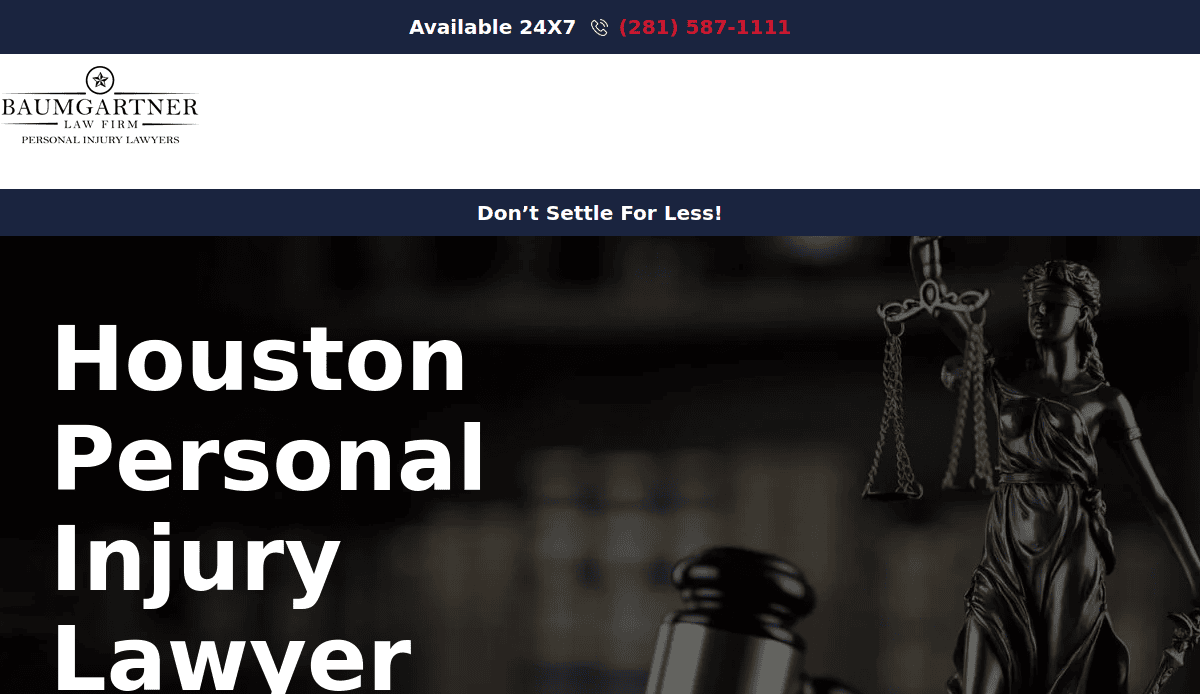
7. Baumgartner Law Firm
Location: Houston, TX
Key Takeaways:
- Professional layout with clear calls to action.
- Informative content highlighting practice areas.
- Accessible contact information for potential clients.
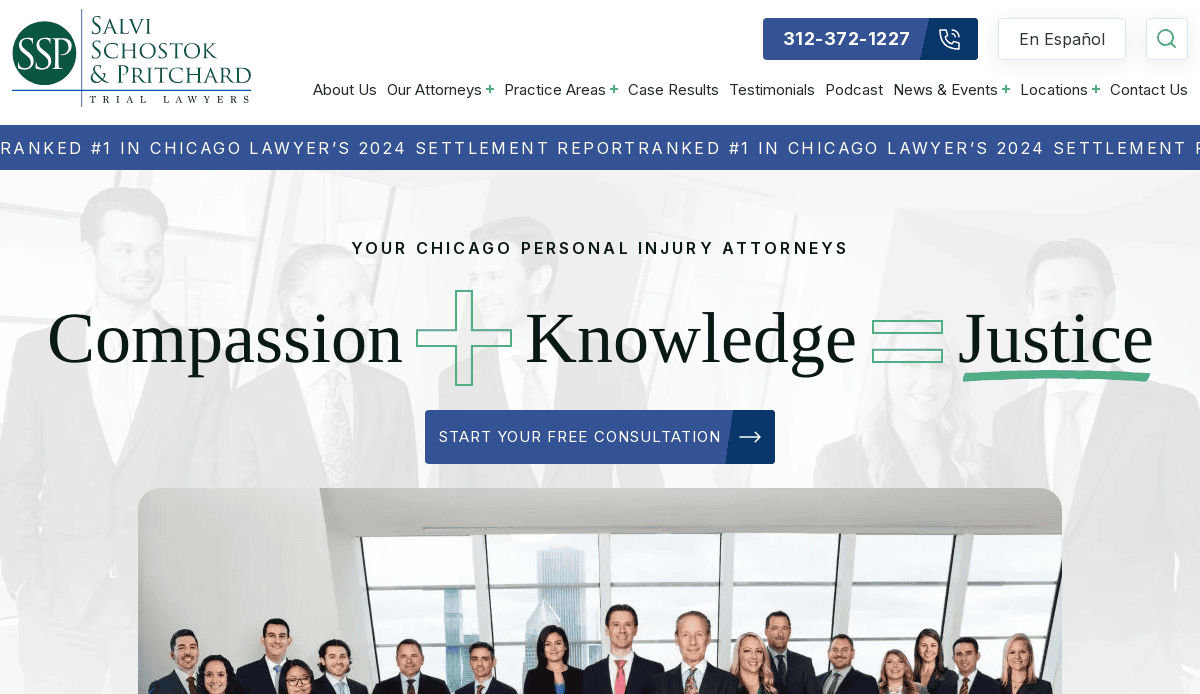
8. Salvi, Schostok & Pritchard
Location: Chicago, IL
Key Takeaways:
- Elegant design with a focus on client stories.
- Detailed attorney profiles establish credibility.
- Comprehensive resource section for visitors.
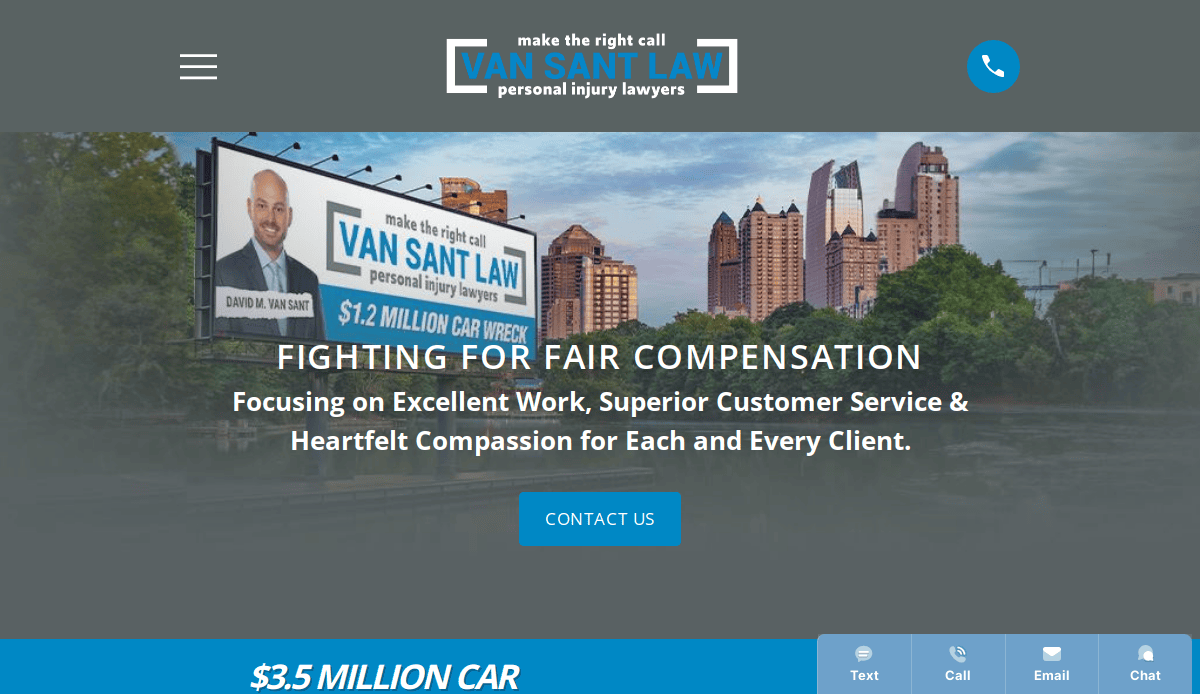
9. Van Sant Law
Location: Atlanta, GA
Key Takeaways:
- Streamlined design with easy navigation.
- Prominent display of client testimonials.
- Clear presentation of practice areas.
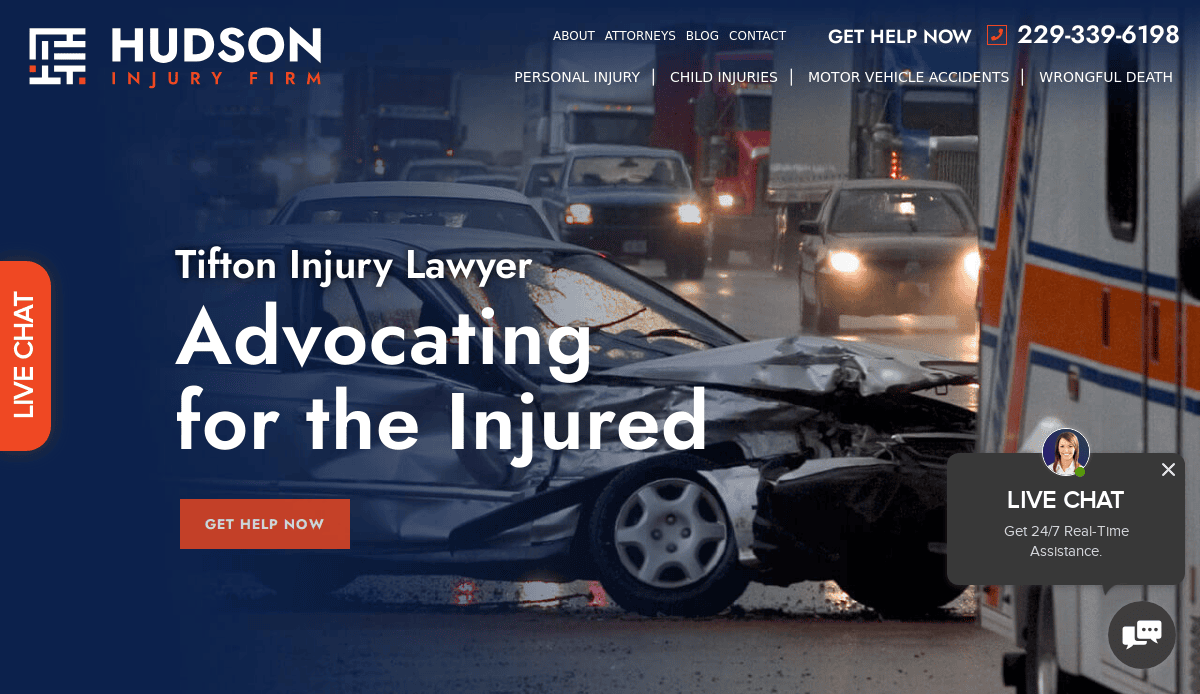
10. Hudson Injury Firm
Location: Hudson, WI
Key Takeaways:
- Aesthetically clean and professional design.
- Emphasis on delivering relevant information to clients.
- Informative explanations of practice areas.
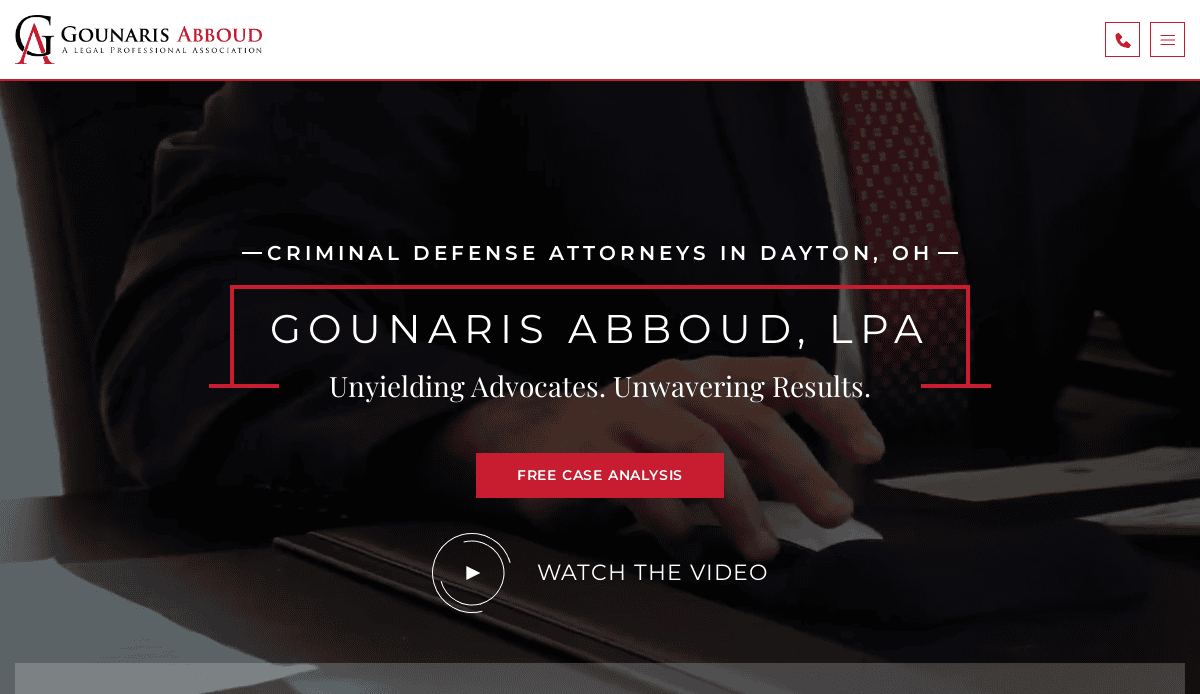
11. Gounaris Abboud, LPA
Location: Dayton, OH
Key Takeaways:
- Strong first impression with prominent “Free Case Analysis” button.
- Trust is built through awards and case results display.
- A professional color scheme enhances credibility.
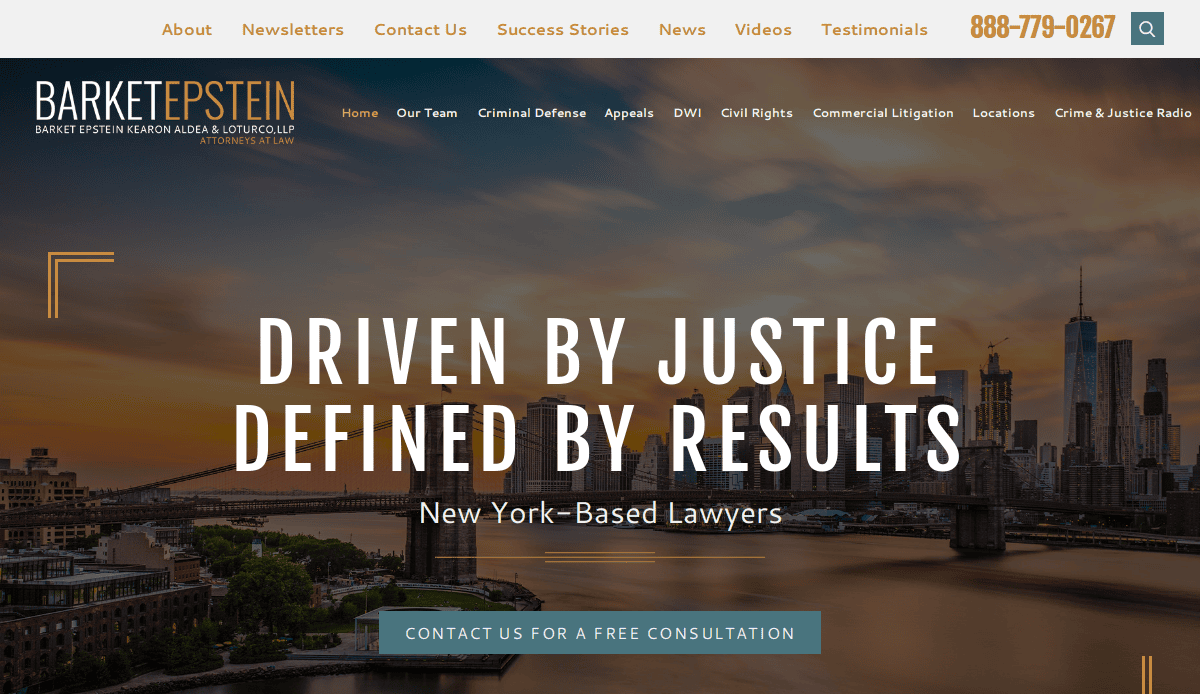
12. Barket Epstein Kearon Aldea & LoTurco, LLP
Location: Garden City, NY
Key Takeaways:
- Strong hero section with creative graphics.
- Catchy header and effective layout.
- Accessible services in the practice areas section.
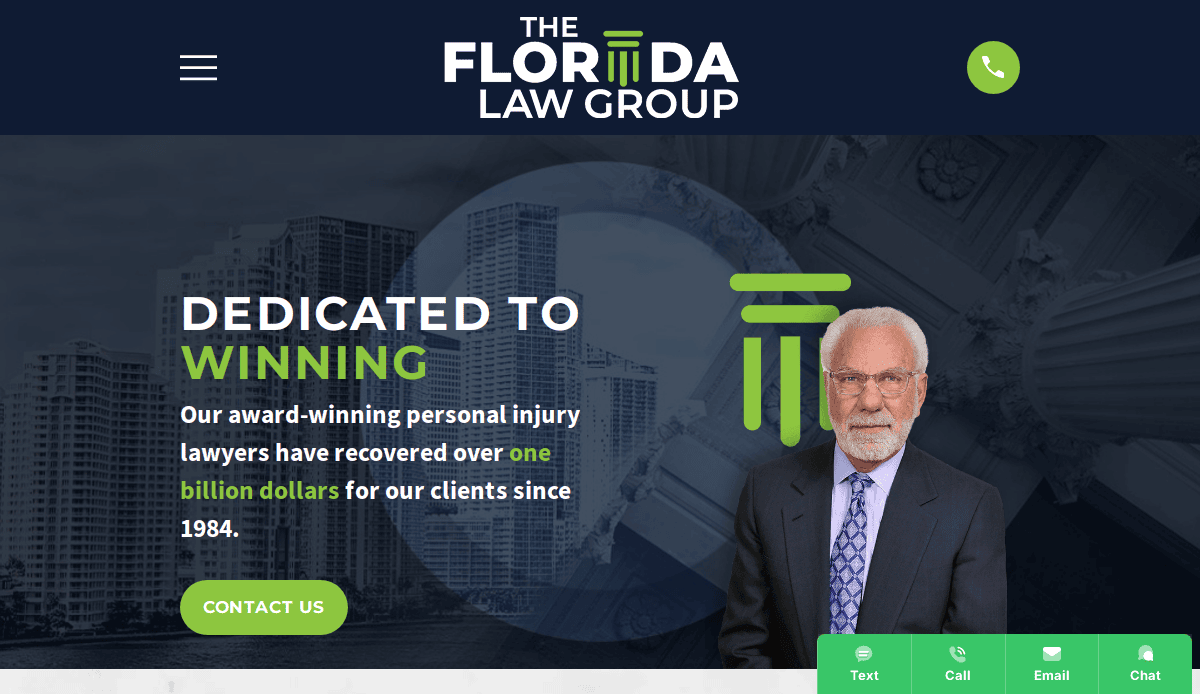
13. The Florida Law Group
Location: Tampa, FL
Key Takeaways:
- Bold graphics with vivid blue color convey credibility.
- Scattered elements showcasing legal experience.
- Clear presentation of practice areas.
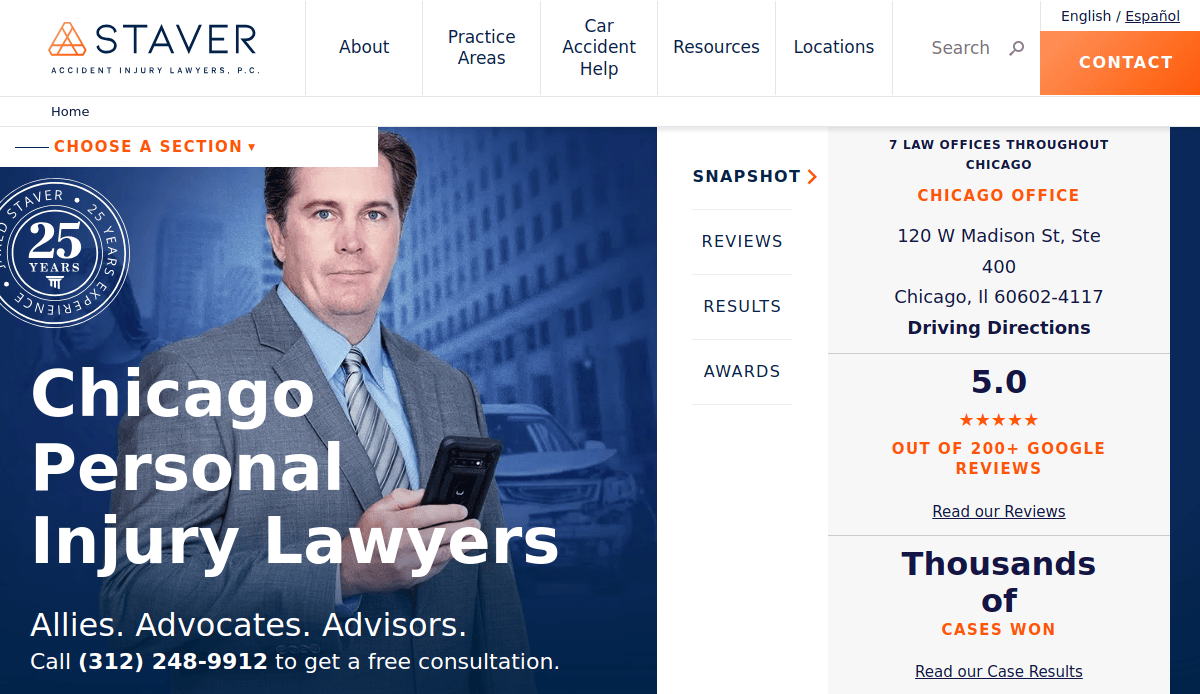
14. Staver Accident Injury Lawyers
Location: Chicago, IL
Key Takeaways:
- Clean and professional impression.
- Well-organized information for easy access.
- Responsive design for various devices.
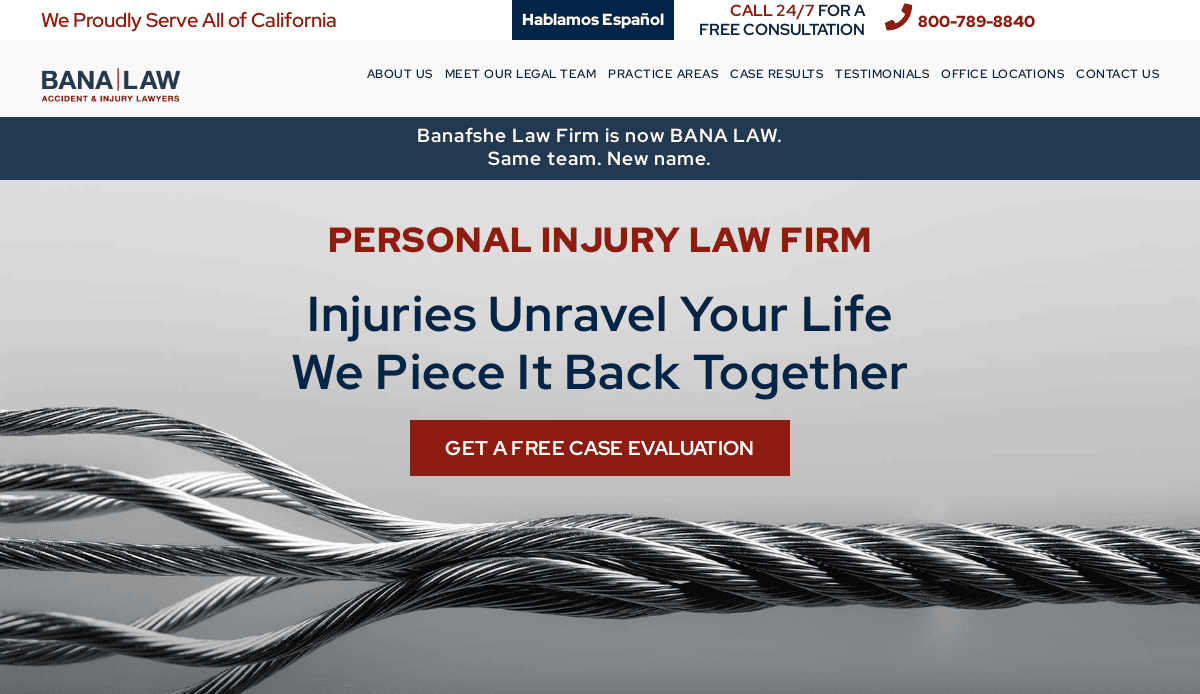
15. Banafsheh, Danesh & Javid, PC
Location: Beverly Hills, CA
Key Takeaways:
- Strong branding with professional design.
- Organized layout with horizontal lines.
- Visually appealing and effective presentation.
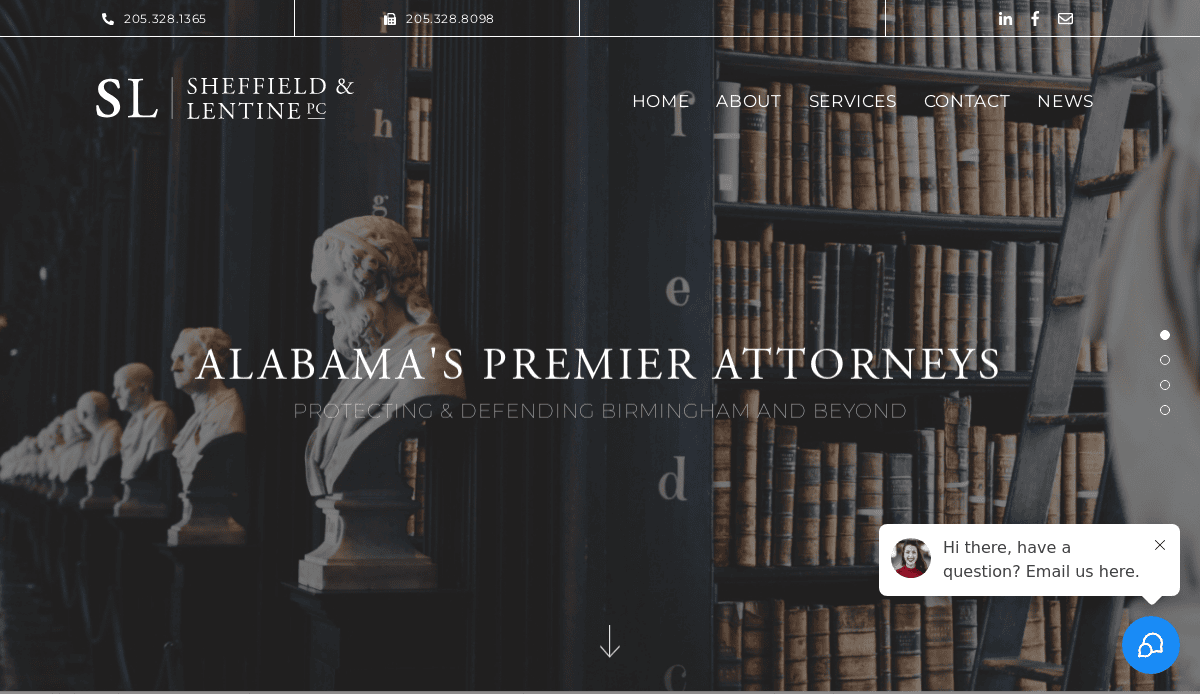
16. Sheffield & Lentine, P.C.
Location: Birmingham, AL
Key Takeaways:
- Large, full-width images enhance visual appeal.
- Highly legible text with ample white space.
- Breathable, organized layout for user experience.
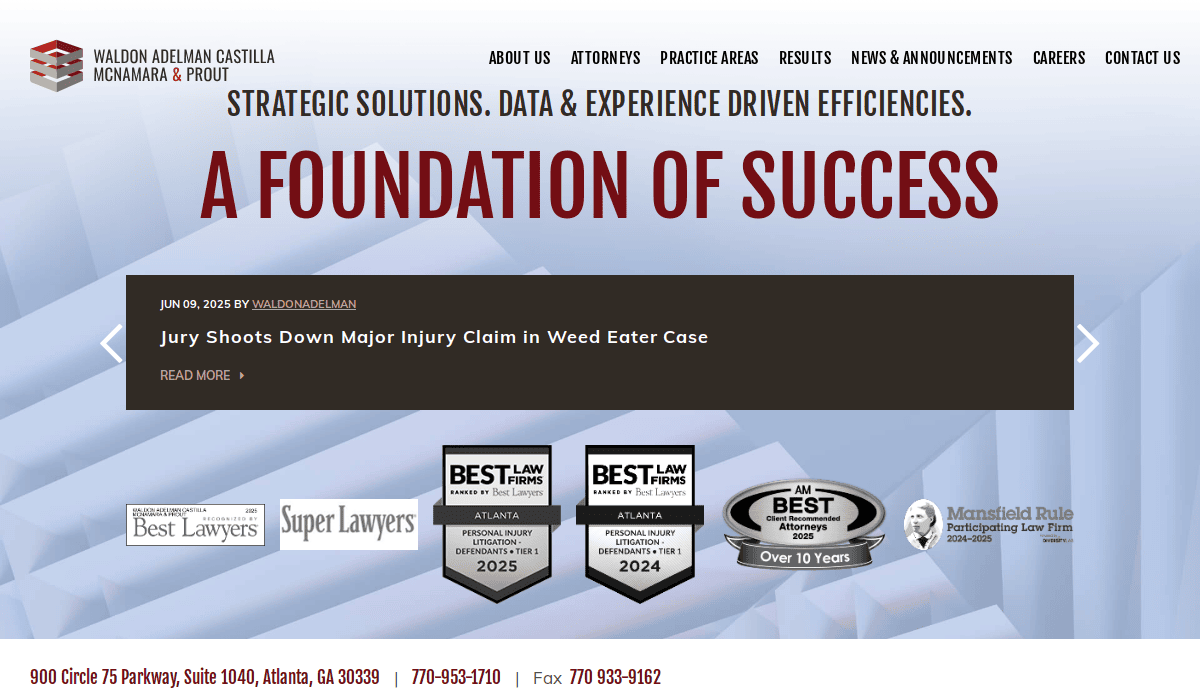
17. Waldon Adelman Castilla Hiestand & Prout
Location: Atlanta, GA
Key Takeaways:
- Pragmatic, no-nonsense design.
- Streamlined pages for efficient navigation.
- Clear presentation of legal services.
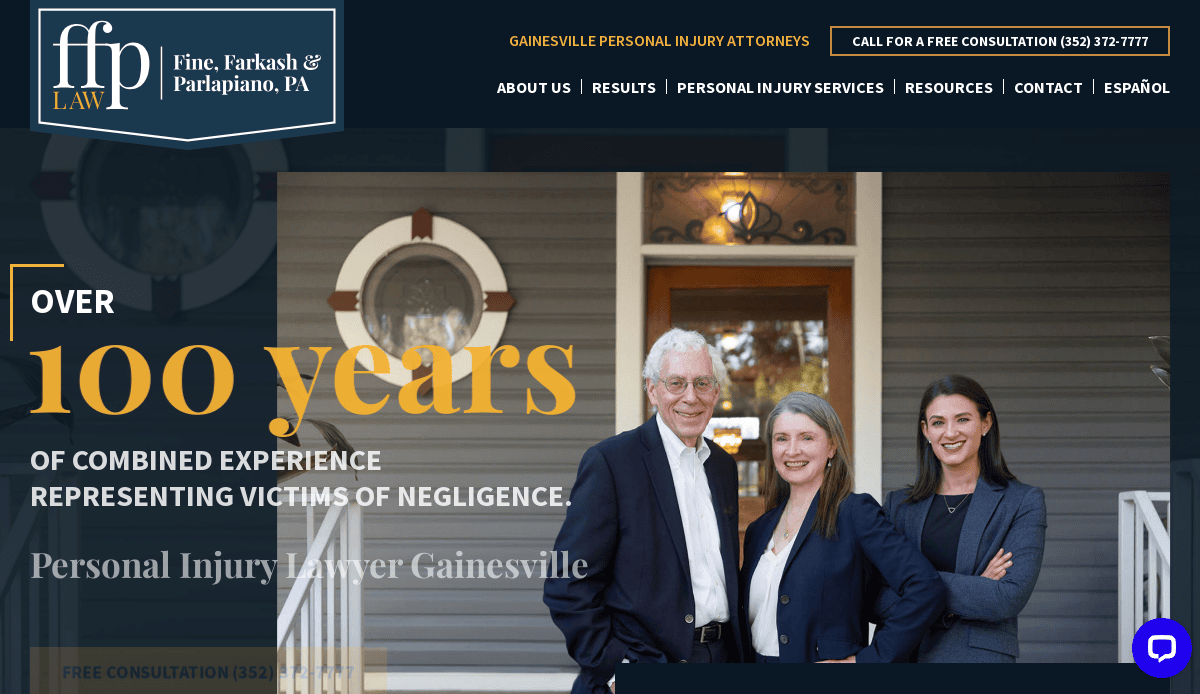
18. FFP Law
Location: Los Angeles, CA
Key Takeaways:
- Authentic imagery with a beautiful interplay of colors.
- Thoughtful design creates a professional user experience.
- Engaging and visually appealing layout.

19. Henderson, Franklin, Starnes & Holt, P.A.
Location: Fort Myers, FL
Key Takeaways:
- Creative design elements complement a professional tone.
- Clear navigation and informative content.
- Responsive design for various devices.
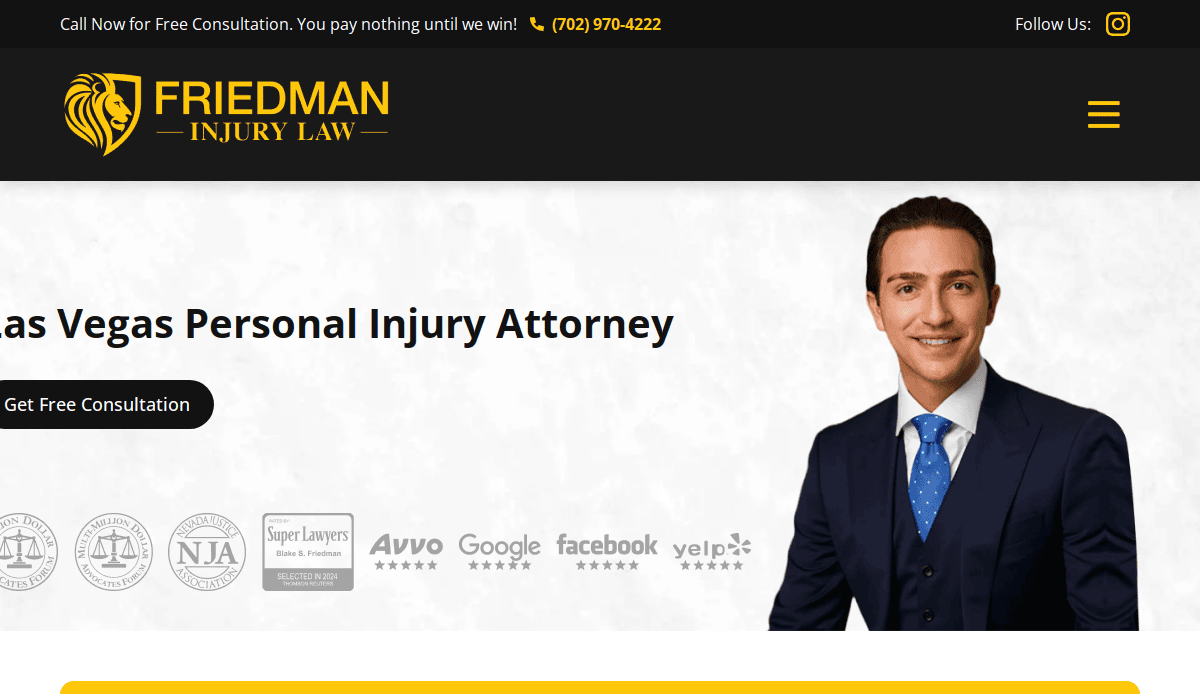
20. Friedman Injury Law
Location: Chicago, IL
Key Takeaways:
- Modern design with simple yet creative elements.
- Excellent branding and cohesive color scheme.
- Visually appealing and professional presentation.
These websites exemplify the best in personal injury law firm web design, combining aesthetics, functionality, and user engagement to effectively connect with potential clients.
Ready to Elevate Your Law Firm’s Website?
A successful website isn’t just a digital placeholder—it’s a powerful business tool that establishes trust, generates leads, and grows your practice. From strategic planning to compelling visuals, effective navigation, and ongoing maintenance, every element plays a role in how potential clients perceive your firm. If your current site isn’t bringing in consistent inquiries or doesn’t reflect the professionalism you deliver in your injury cases, it’s time for a change.
As web design and development experts, we specialize in website design for personal injury lawyers that looks great and performs where it matters most. Whether you’re refining your lawyer marketing strategy or building a new law firm website from scratch, we help personal injury law firms create a design that converts, because your website is key to growing your firm and serving more injury victims.
Let’s talk about your goals and how we can help your firm stand out with a high-performing, well-designed personal injury website. Request a free consultation today.
Frequently Asked Questions About Personal Injury Lawyer Website Design
What should a personal service-based website include?
A well-structured personal service website should include a professional homepage, detailed practice area pages, attorney bios, testimonials, case results, and a clear contact page. These elements help website visitors find what they need quickly and build trust with your firm.
How can design help attract potential clients?
An appealing design that reflects your expertise can differentiate your site from other law firms. A clean layout, strong calls to action, and a focus on empathy throughout your website all contribute to a design that converts. Think of your website as your firm’s most important marketing tool.
Why is law firm SEO important?
SEO helps drive targeted traffic to your website, which is essential for generating qualified leads. Optimizing for keywords related to personal injury cases and injury claims ensures your firm appears in relevant searches. Our SEO services for attorneys are designed to support long-term visibility and success.
What makes a good industry-specific website design?
Good websites follow key design basics: clear navigation, mobile responsiveness, fast loading times, and compelling content tailored to personal injury clients. Your lawyer’s website should convey trust, showcase experience, and guide visitors to take the next step.
How often should a law firm update its website?
A law firm’s website should be reviewed at least quarterly. Update blog content, refresh service pages, and add new testimonials to maintain credibility. Regular updates also help with SEO and show that your firm is active and engaged in current legal topics related to your specialty.
How can small law firms compete online?
Small law firms can stand out by focusing on niche types of personal injury cases, showcasing their wins, and adopting a personalized marketing strategy. High-quality law firm website design and targeted digital marketing strategies help level the playing field.
Should my law firm hire a web design agency?
Yes, partnering with a professional web design agency ensures your site reflects your brand and supports your goals. Agencies (like ours) experienced in website development for attorneys and law firms understand how design can make or break a visitor’s opinion about your website.
What’s the best way to structure a website for my practice?
Start with clear navigation, organize practice areas by types of personal injury cases, and ensure your contact page is accessible from every section. The goal is to help users find information quickly and guide them toward conversion.
How can I increase conversions?
Use design tips like contrasting call-to-action buttons, client reviews, and structured landing pages. Content related to personal injury claims, visuals showing your attorneys in action, and trust indicators throughout your website all contribute to increased engagement and conversion rates.
What role does content play in law firm marketing?
Content is essential in marketing your law firm. It educates, builds authority, and supports SEO efforts. Regularly publishing content that addresses common questions positions your firm as a trusted resource and helps increase traffic to your website.