
Just looking for our Best T-Shirt Design Website examples list?
The Ultimate Guide to T-Shirt Website Design That Converts
Your website is your brand ambassador. With more consumers than ever turning to the web for custom t-shirts and graphic design inspiration, having a high-performing t-shirt website is no longer optional. It’s the difference between browsers and buyers.
Whether you’re a seasoned apparel brand or just launching your first custom t-shirt line, your site must reflect not only the quality of your product but the identity of your brand. A sleek layout, smart design placement, and intuitive navigation build trust, improve conversion rates, and turn first-time visitors into loyal customers.
But great design is more than aesthetics. It impacts everything from load speed and mobile responsiveness to how clearly your shirt options and brand logo are presented. If you want to attract shoppers, keep them engaged, and get them to click “start designing,” your website needs to guide them seamlessly from inspiration to purchase.
In this guide, we break down what makes the best t-shirt websites successful, spotlight key design elements, and show you how to turn your online store into a sales machine. Whether you’re updating your site or starting from scratch, these insights will help your brand stand out in the crowded world of shirt design and t-shirt printing.
Website Planning & Purpose
Before diving into design templates or uploading product images, every successful t-shirt designer’s website starts with strategic planning. The planning phase defines your site’s goals, identifies your target audience, and sets the foundation for both branding and functionality. For the apparel industry, where competition is high and user expectations are even higher, planning is not optional—it’s the blueprint for performance.
Start by asking key questions: What are the primary objectives of your site? Are you focused on custom t-shirt orders, promoting a specific product line, or building a lifestyle brand? These answers shape your website architecture, page hierarchy, and content strategy.
Understanding your audience is just as critical. Is your site catering to fashion-conscious Gen Z shoppers, small business teams looking for branded apparel, or graphic designers creating one-off designs? Each group has different expectations in terms of content tone, design layout, and interactive features like a t-shirt design tool or customer gallery.
Additionally, this phase helps map out essential elements such as inventory integration, user account creation, and mobile responsiveness. A well-planned t-shirt website doesn’t just look good—it functions seamlessly across all devices and leads visitors through a clear path to purchase.
For a deep dive into the foundational elements of web planning, check out our guide on the core principles of web design. It offers a detailed look at the building blocks that support both beauty and functionality in any website design.
Design Principles
An effective website isn’t built by accident. It’s the result of applying timeless design principles that elevate the user experience while reinforcing brand identity. From layout choices to usability, every decision should be made with the end-user in mind.
- Visual Hierarchy: Lead the visitor’s eye using contrast, size, and spacing. Highlight your best t-shirt designs, promotions, or limited edition runs with dominant visuals. Prioritize important content through positioning and styling, ensuring that calls to action like “start designing” or “shop now” are easily seen and clicked.
- Consistent Branding: Your color palette, typography, and tone should be consistent across the entire site. This reinforces brand recognition and builds trust. Whether it’s your homepage banner or a product detail page, make sure your brand logo is always present and properly scaled.
- Responsive Design: With mobile shopping on the rise, your t-shirt website must perform flawlessly on phones and tablets. Buttons should be easy to tap, text must remain legible, and images should load quickly without distortion. Responsive design isn’t a trend—it’s a necessity.
- Simplicity and Clarity: Avoid clutter. Clean, simple layouts help users focus on what matters: your custom t-shirts. Eliminate unnecessary distractions, reduce the number of steps in the checkout process, and make navigation intuitive.
- Accessibility: Design for everyone. Use high-contrast color schemes, alt text for product images, and legible fonts to accommodate users with visual impairments. Accessibility not only broadens your customer base but also reflects your brand’s inclusivity.
- Effective Use of White Space: White space enhances readability and highlights key content. It’s especially useful for showcasing individual shirt designs or design tools, giving each element room to breathe and encouraging visitors to explore.
For a practical overview of how to integrate these design fundamentals into your own process, review our step-by-step guide to the web design process. It’s a roadmap to structuring websites that look stunning and perform flawlessly across every touchpoint.
Content & Navigation
Content and navigation are the backbone of your site’s user experience. Without a clear structure and flow, even the most beautifully designed site can fall short in converting visitors.
Start by organizing your content around the buyer’s journey. Key pages should include Home, Shop, About Us, Custom Design, FAQ, and Contact. Each page should have a clear purpose and include content that speaks directly to your audience’s needs and questions.
Navigation should be intuitive. Use a top-level menu that’s easy to understand at a glance. Categories should reflect how users naturally browse: by style, design theme, type of shirt, or occasion. Avoid burying important content in drop-downs—accessibility is essential.
Product pages should include high-resolution images, pricing, available sizes, material descriptions, and care instructions. If you offer a design tool for custom shirts, promote it clearly and provide guidance on how to use it effectively.
Include trust-building content such as customer testimonials, user-generated photos, and security badges near your checkout flow. Blog content can also play a key role in SEO and brand storytelling—focus on design inspiration, shirt printing tips, and behind-the-scenes looks at your process.
Every page should include a call to action, whether it’s “Start Designing,” “Explore Our Collection,” or “Contact Us for a Quote.” These help guide users toward taking the next step.
For more strategies on organizing your content and structuring your navigation effectively, read our comprehensive website organization guide. It’s packed with practical insights that will help keep your site user-friendly and conversion-focused.
Visual Elements
Visual elements do more than beautify a website—they create clarity, inspire emotion, and drive action. In a product-driven industry like apparel, visuals are often the first and most powerful tool to capture attention and communicate value.
High-quality product photography is essential. Each t-shirt should be presented in multiple angles, with zoom capability and lifestyle shots showing the product in real-life settings. Customers want to envision how your shirt will look and feel on them—great imagery makes that possible.
Use visual consistency to strengthen your brand. From homepage banners to product thumbnails, the visual language—colors, textures, lighting, image proportions—should all align with your brand identity. Cohesive visuals make your site more professional and memorable.
Videos are an increasingly powerful asset. Short clips showing the shirt in motion or demonstrating how to use a design tool can elevate engagement and reduce uncertainty about product fit or customization features.
Icons and illustrations also improve usability. Use visual cues to highlight steps in the checkout process, draw attention to promotions, or guide users through customization workflows.
Avoid image overload. Too many visuals can overwhelm and distract. Strategically placed images paired with compelling copy ensure a balanced, user-friendly interface.
Ultimately, every visual on your site should support the customer journey. From attracting interest to reinforcing trust at checkout, smart visual design enhances credibility, encourages interaction, and boosts conversions.
Ongoing WordPress Maintenance
Launching your t-shirt website is only the beginning. Keeping it secure, functional, and optimized over time requires regular WordPress maintenance. Without consistent upkeep, even the best-designed site can become vulnerable to slow load times, plugin failures, and security breaches.
Routine software updates are critical. WordPress core, themes, and plugins must be kept up to date to prevent compatibility issues and patch potential security flaws. Outdated software is one of the leading causes of website crashes and vulnerabilities.
Regular site backups ensure that your store can recover quickly in the event of a malfunction or data loss. Whether it’s an accidental deletion or a server-side error, having a recent backup minimizes downtime and customer frustration.
Performance optimization is another key element. Compressing images, enabling caching, and cleaning up your site database help maintain fast load times, which directly impacts bounce rates and conversions.
Security measures such as firewalls, malware scans, and login protection defend against hacking attempts and unauthorized access. With e-commerce sites handling sensitive customer data, robust security isn’t optional.
Monitoring uptime and broken links ensures your visitors experience a seamless shopping experience every time they visit. Even a few hours of downtime can result in lost sales and damage to your brand’s reputation.
By committing to ongoing maintenance, your WordPress t-shirt website remains reliable, fast, and secure, so you can focus on what matters most: growing your business.
20 Web Design Examples Ideal for T-Shirt Businesses
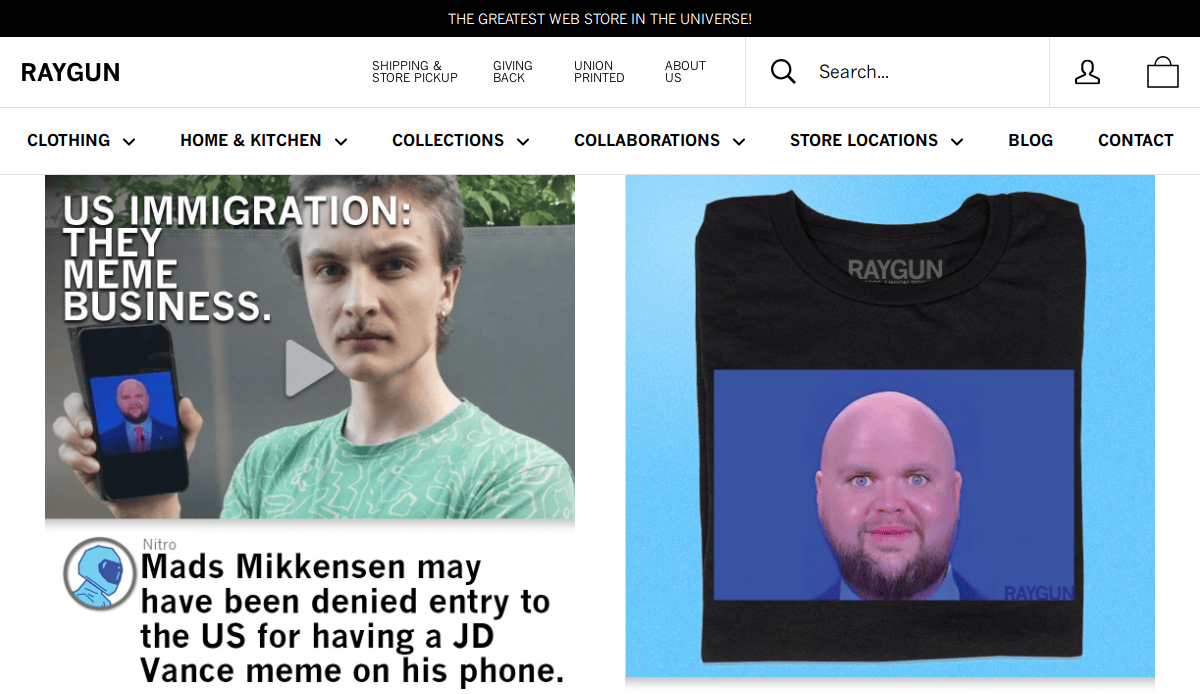
1. RAYGUN
Location: Des Moines, IA
Key Takeaways:
- Bold use of humor and local pride across all product categories.
- Easy-to-navigate filtering for t-shirt themes.
- Clean typography and color schemes that highlight their quirky messaging.
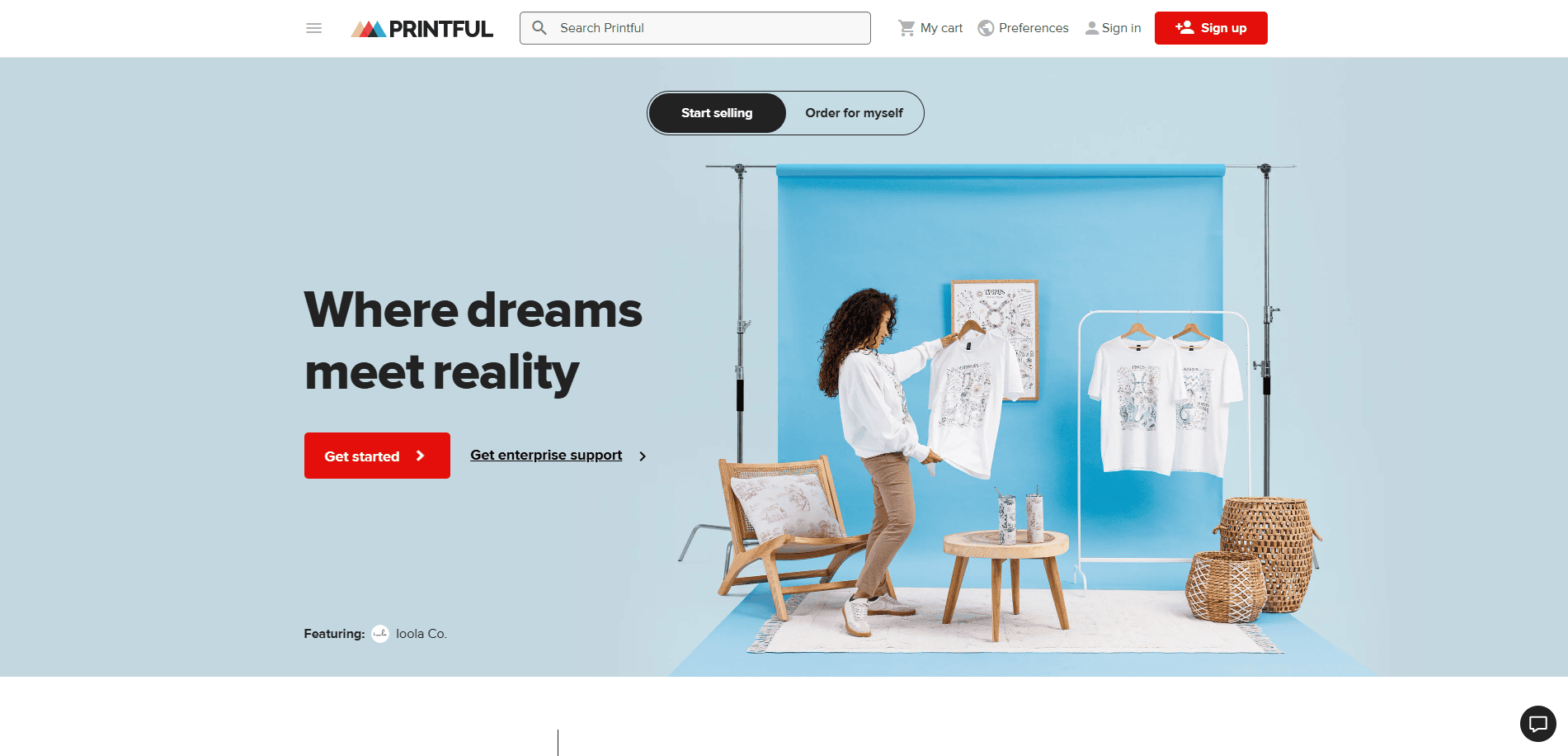
2. Printful
Location: Charlotte, NC
Key Takeaways:
- Seamless integration of product mockups with the t-shirt design process.
- Educational content for creators and eCommerce beginners.
- Responsive and mobile-friendly layout for designing on the go.
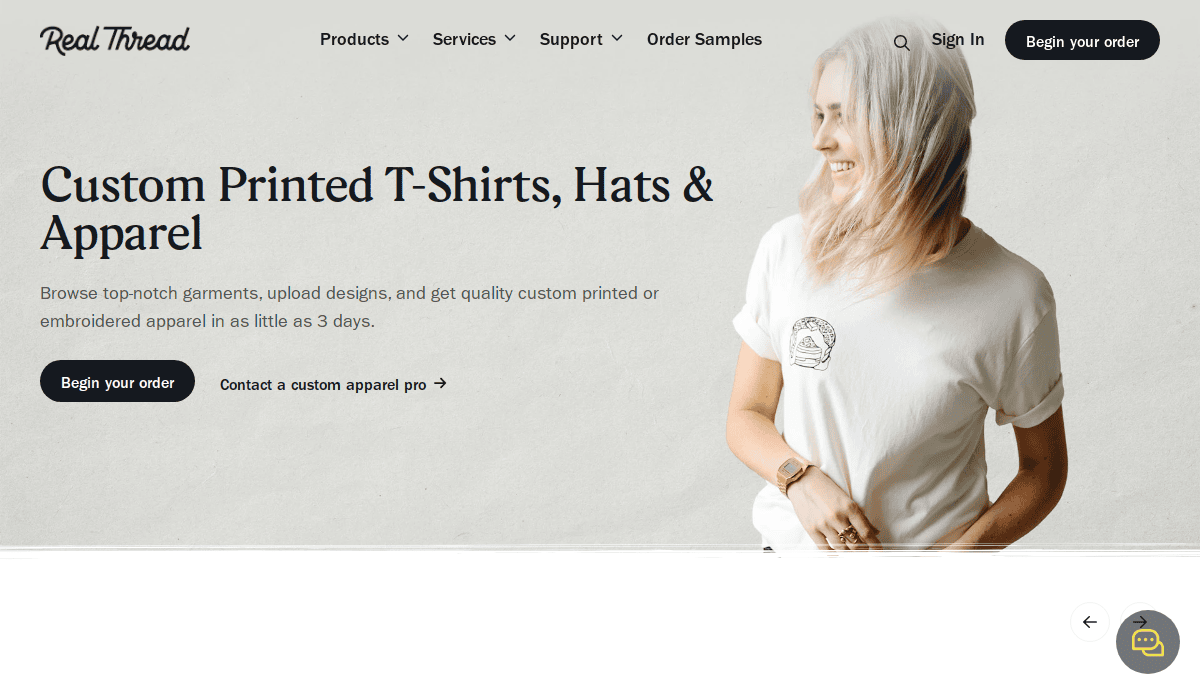
3. Real Thread
Location: Orlando, FL
Key Takeaways:
- Emphasis on ultra-soft shirts and eco-friendly inks.
- Visual-heavy homepage that clearly communicates product quality.
- Streamlined custom quote process for bulk orders
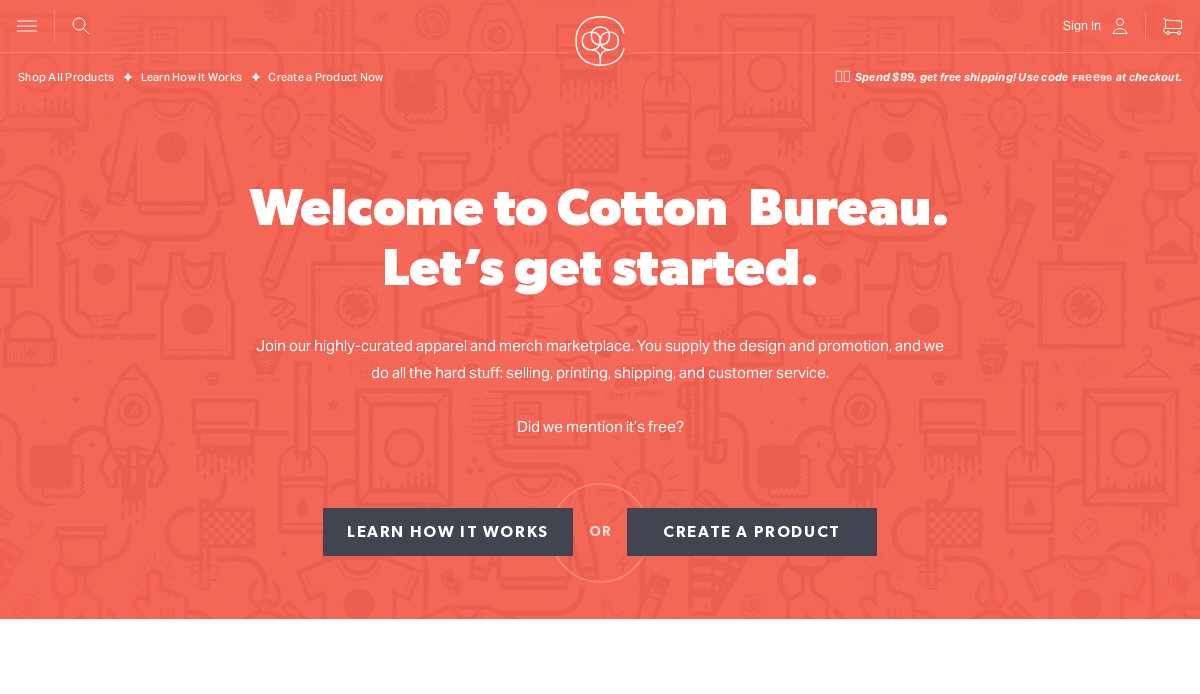
4. Cotton Bureau
Location: Pittsburgh, PA
Key Takeaways:
- Community-submitted t-shirt graphics featured in curated collections.
- Large image blocks help visualize each design on different shirt styles.
- A/B tested CTAs for designers to submit and promote their work.
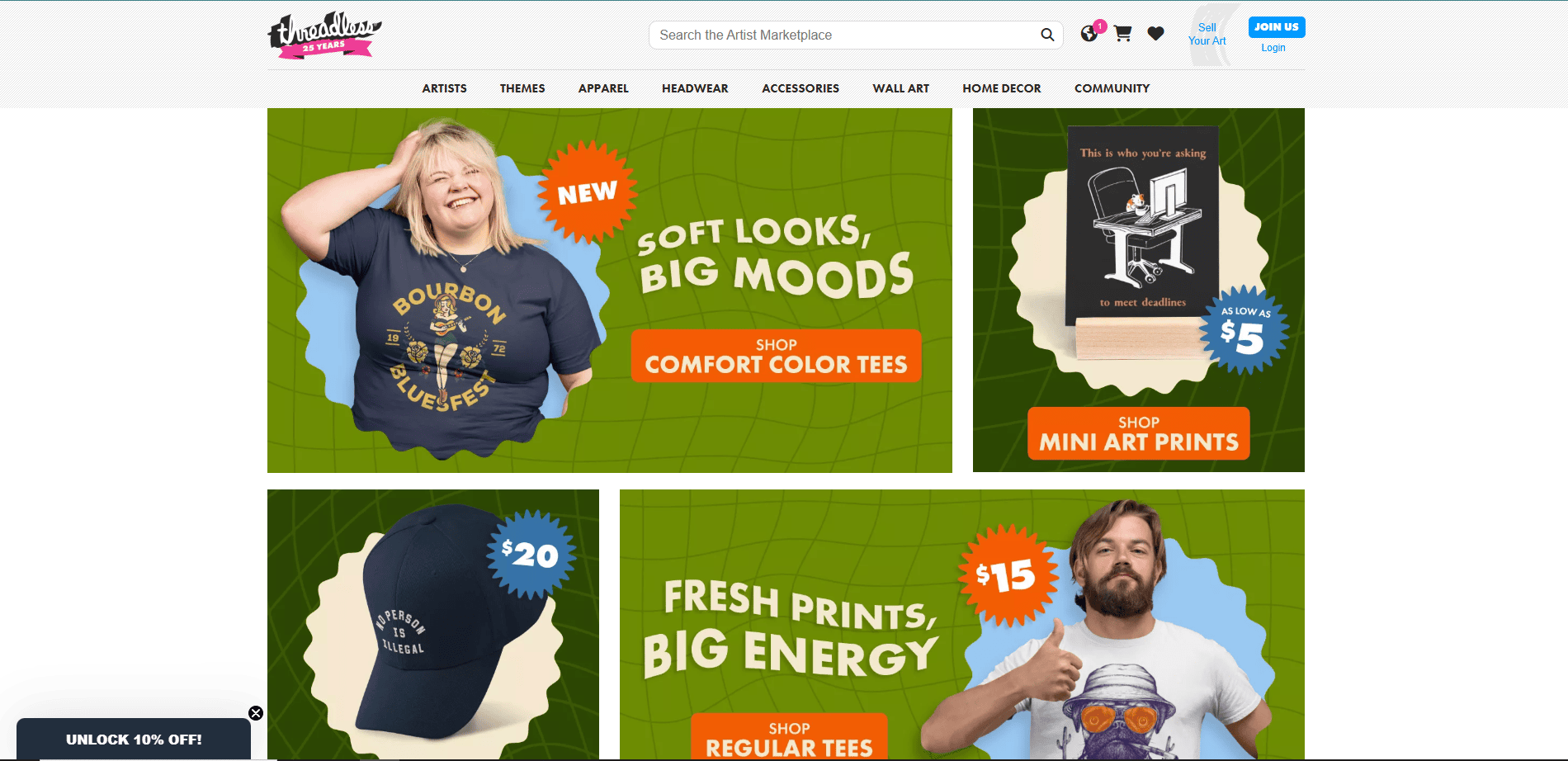
5. Threadless
Location: Chicago, IL
Key Takeaways:
- Strong community and artist engagement platform.
- Clear product categories, including front of the shirt and back design views.
- Effective use of social proof through user photos and ratings.
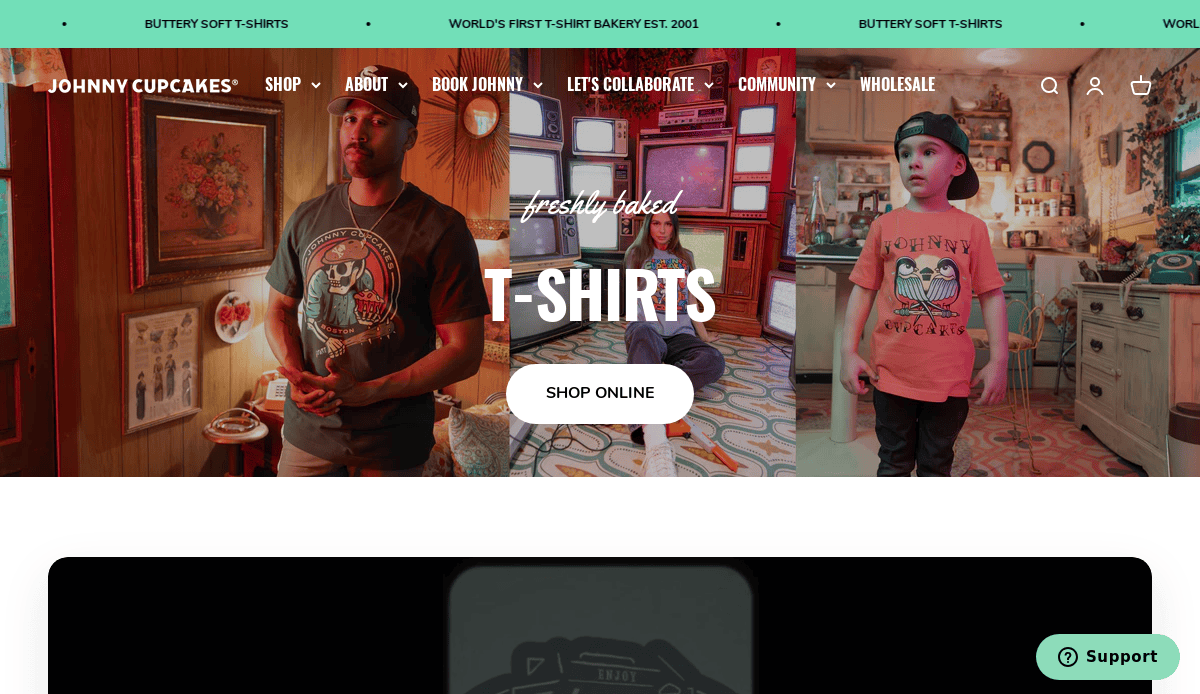
6. Johnny Cupcakes
Location: Boston, MA
Key Takeaways:
- Immersive brand storytelling with themed merchandise drops.
- Nostalgia-driven graphics and unique shirt packaging.
- Clear, centralized navigation with easy filtering by collection.
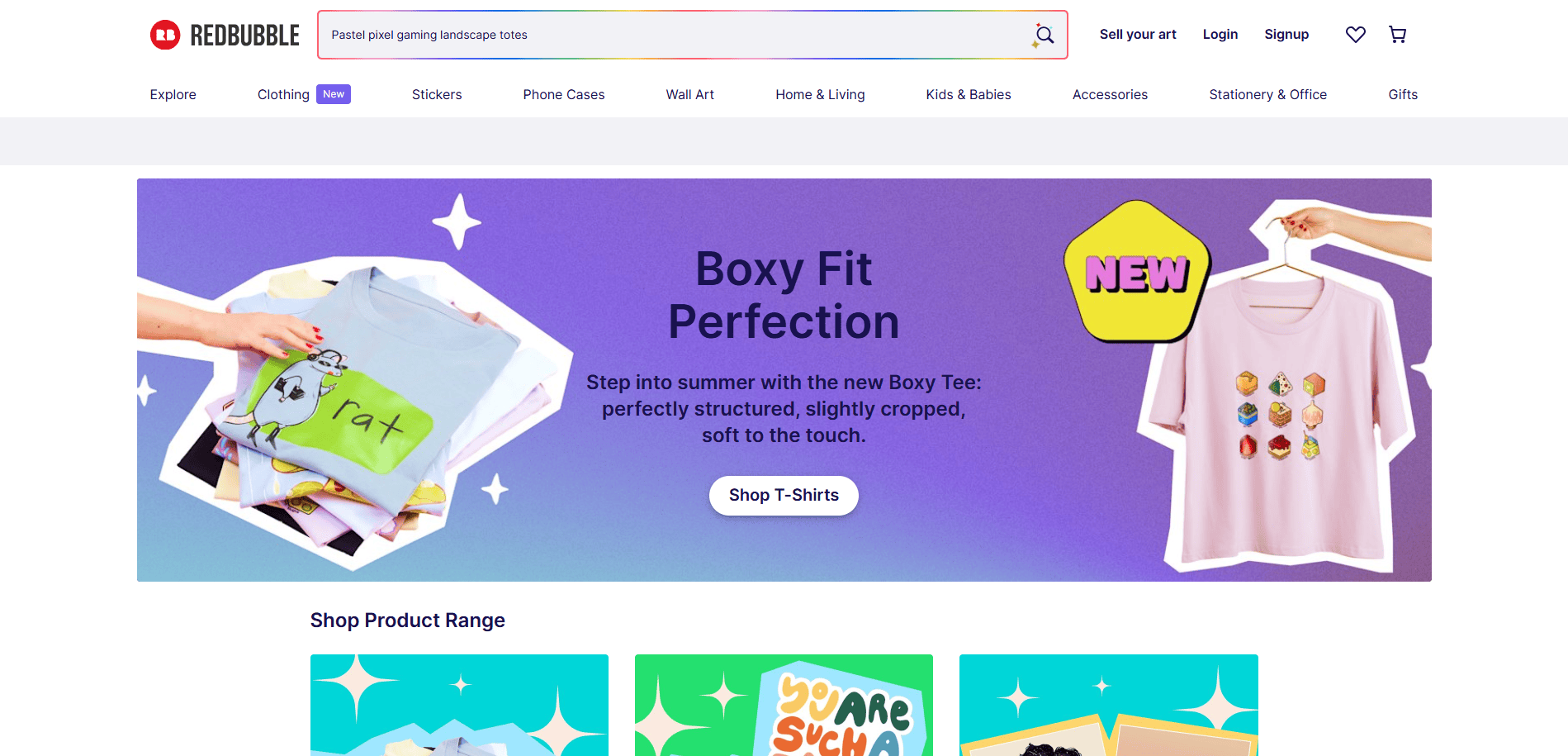
7. Redbubble
Location: San Francisco, CA
Key Takeaways:
- Massive library of t-shirt graphics across pop culture, humor, and art.
- Custom filters by design style, shirt type, and placement options.
- Marketplace model with support for independent artists.
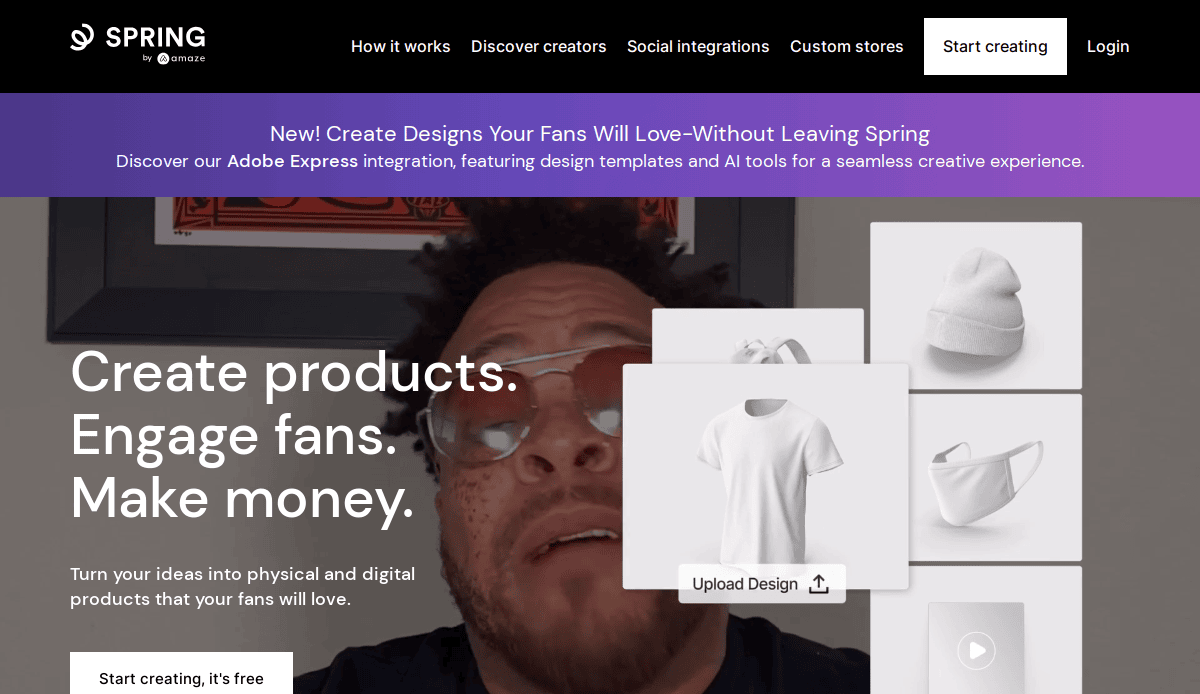
8. Teespring (now Spring)
Location: San Francisco, CA
Key Takeaways:
- Built-in tools to design and sell without upfront inventory.
- Mobile-friendly layout optimized for creator-first experiences.
- Focused CTAs to “Start Designing” or “Create a Design.”
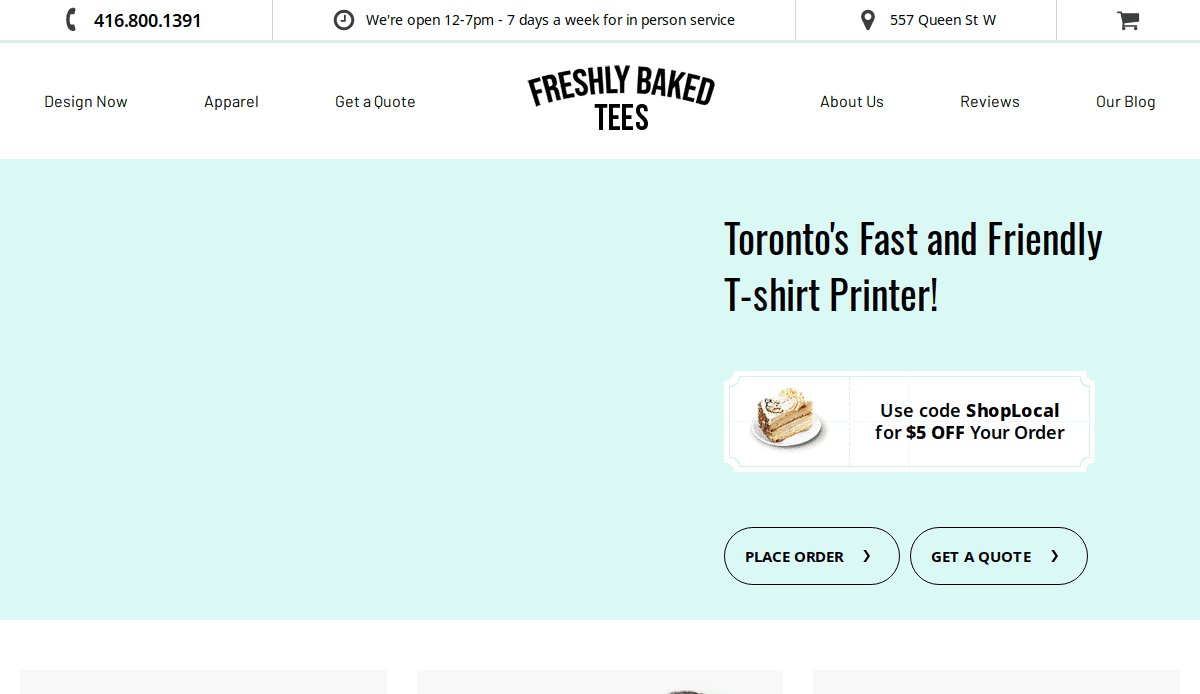
9. Freshly Baked Tees (by CyberOptik)
Location: Chicago, IL
Key Takeaways:
- Interactive homepage sliders showcase product variety.
- Modern, full-width layout with user-friendly shopping cart.
- Clean categorization with fast page loading.
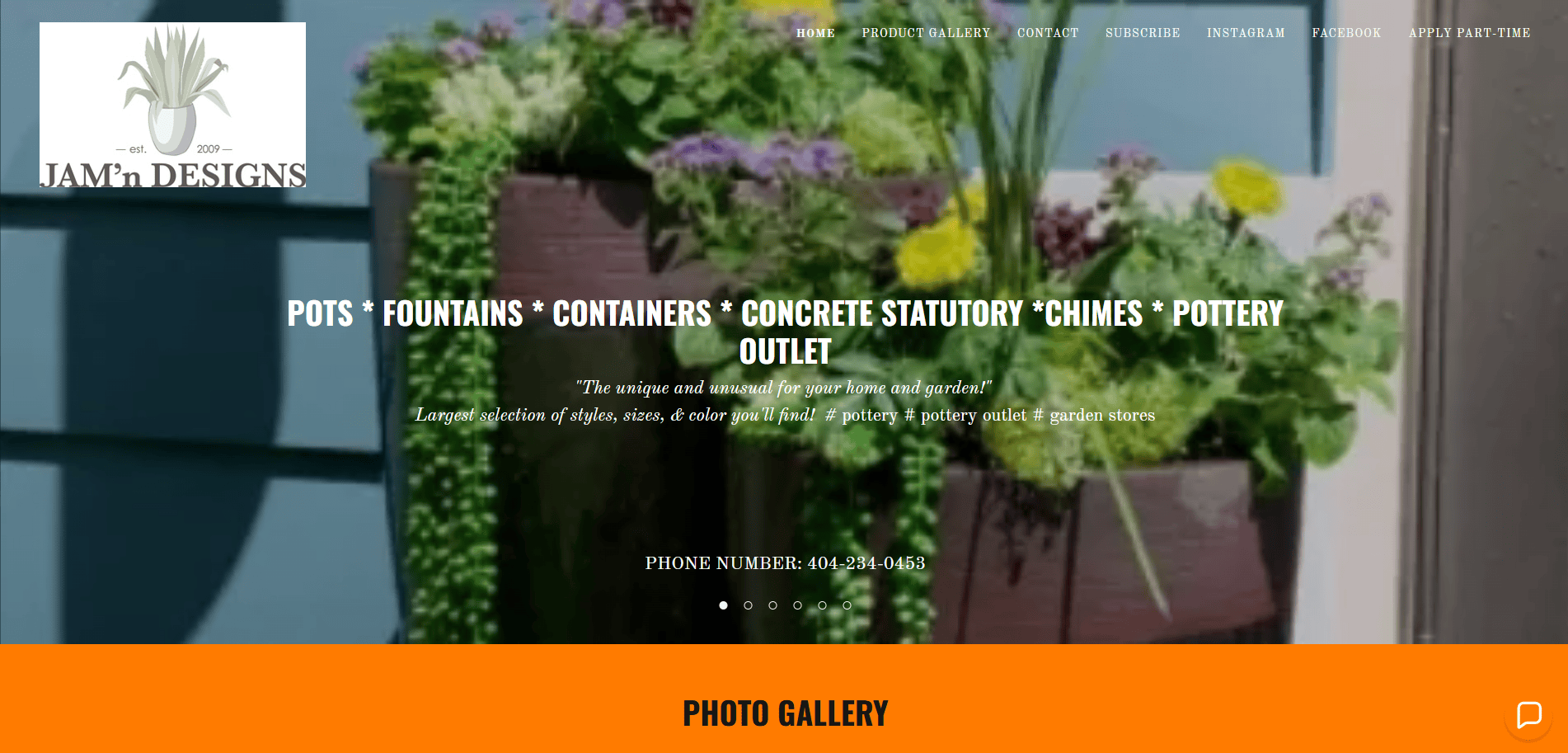
10. Jam’n Designs (by CyberOptik)
Location: Arlington Heights, IL
Key Takeaways:
- Minimalist layout that puts focus on t-shirt design visuals.
- Structured navigation for teams, schools, and corporate orders.
- Strong use of custom graphics and t-shirt logo placement.
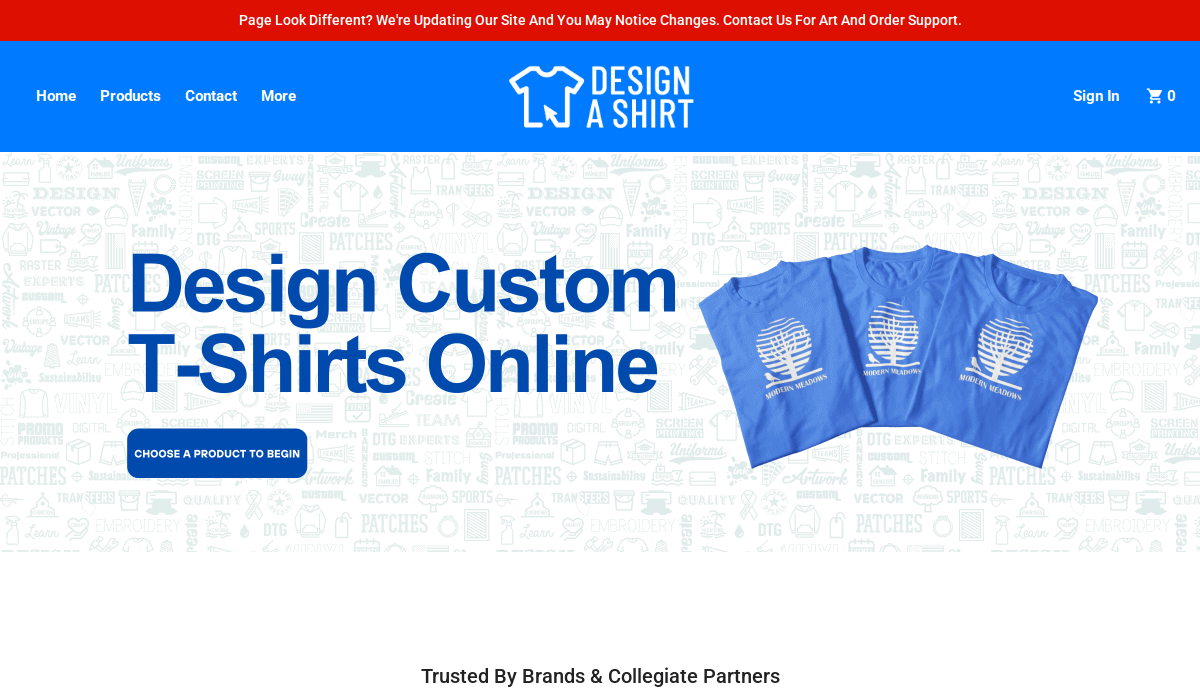
11. DesignAShirt
Location: Tempe, AZ
Key Takeaways:
- Intuitive design studio for front t-shirt design customization.
- Guided steps to ensure the perfect t-shirt design process.
- Strong educational content on placement options and sizing.
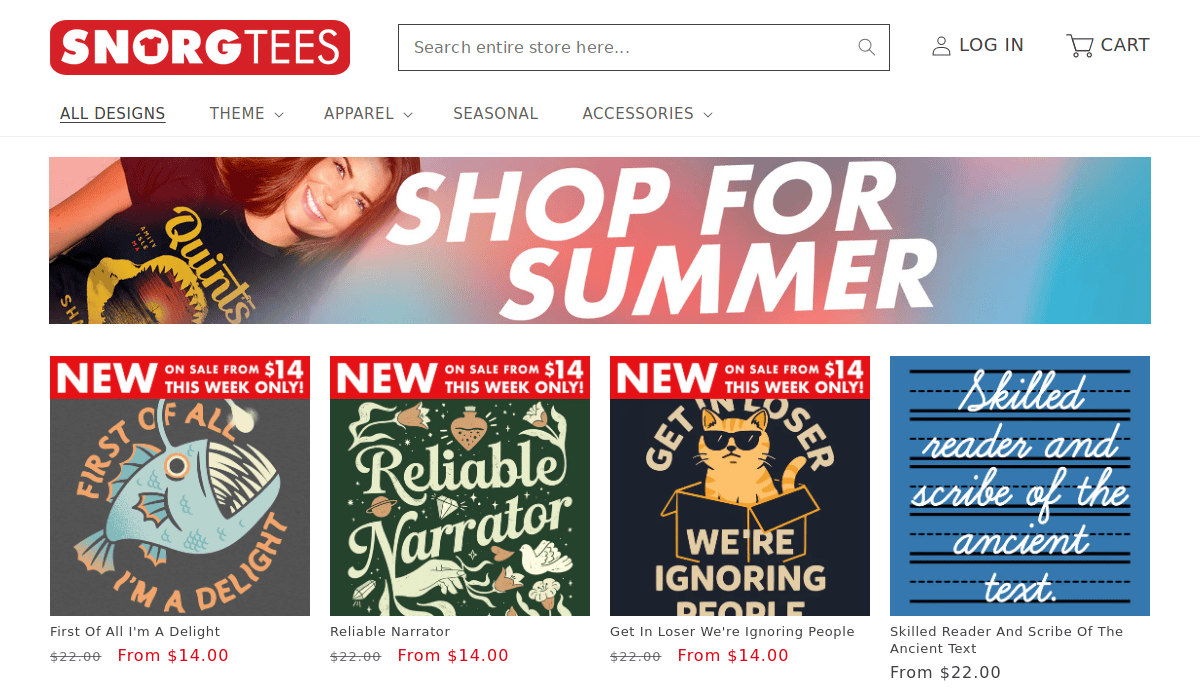
12. SnorgTees
Location: Atlanta, GA
Key Takeaways:
- Focused on pop culture and pun-heavy designs.
- Emphasis on humor in product photography.
- Product detail pages are optimized for conversions.
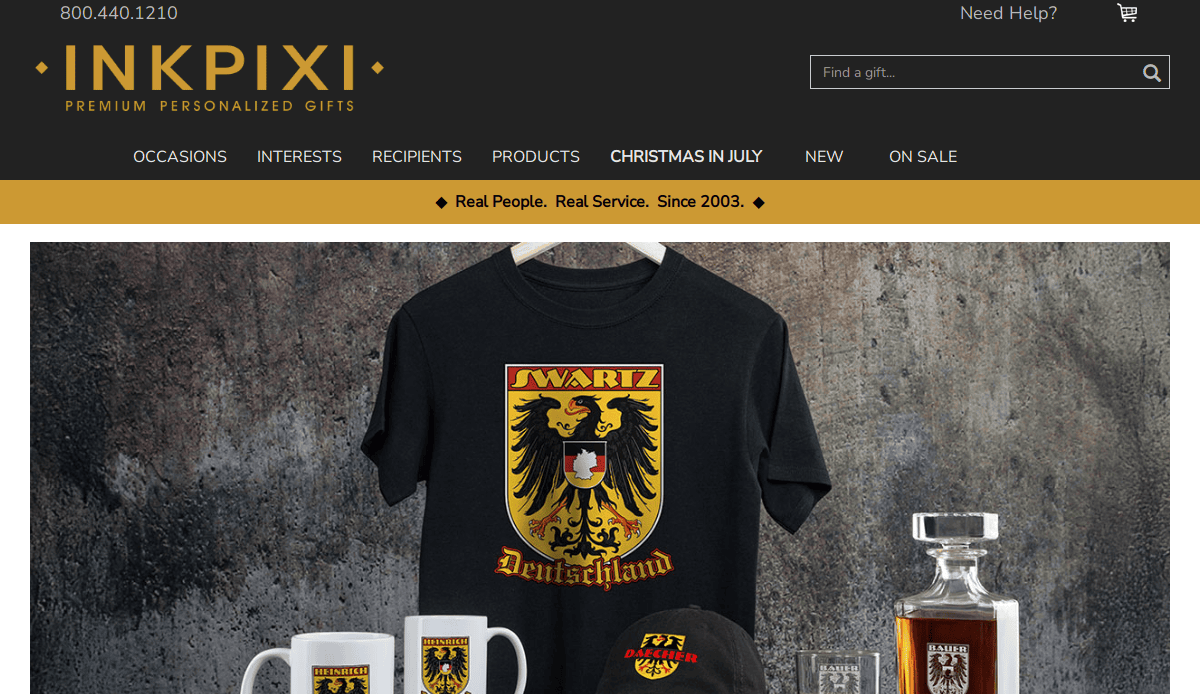
13. InkPixi
Location: Grove City, PA
Key Takeaways:
- Personalized family-oriented t-shirt graphics.
- Effective use of t-shirt type filters.
- Option to view designs on multiple shirt styles before purchase.
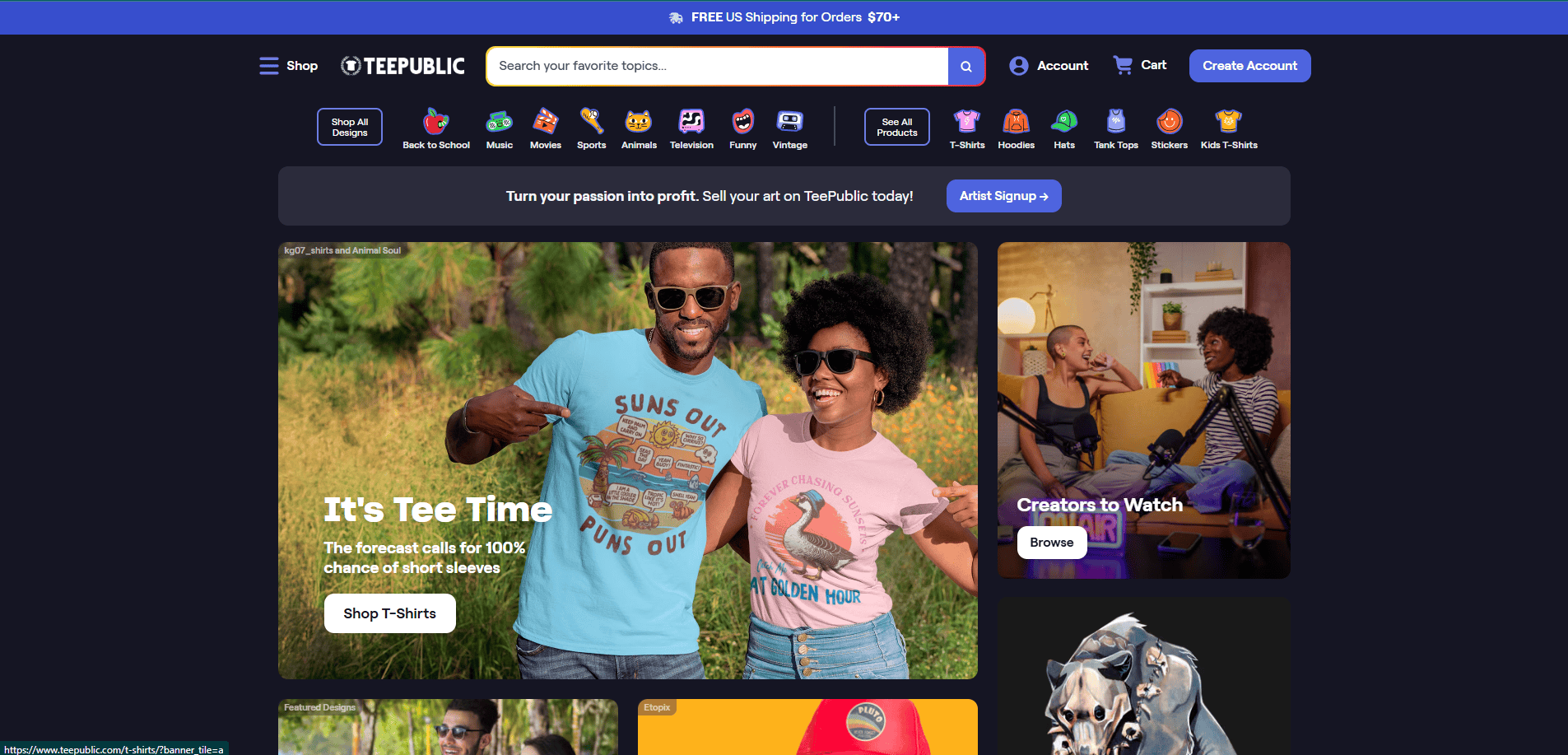
14. TeePublic
Location: New York, NY
Key Takeaways:
- Extensive catalog with artist-run shops.
- Smart use of tags and filters to find your favorite t-shirt graphic.
- Mobile-first experience with vibrant imagery.
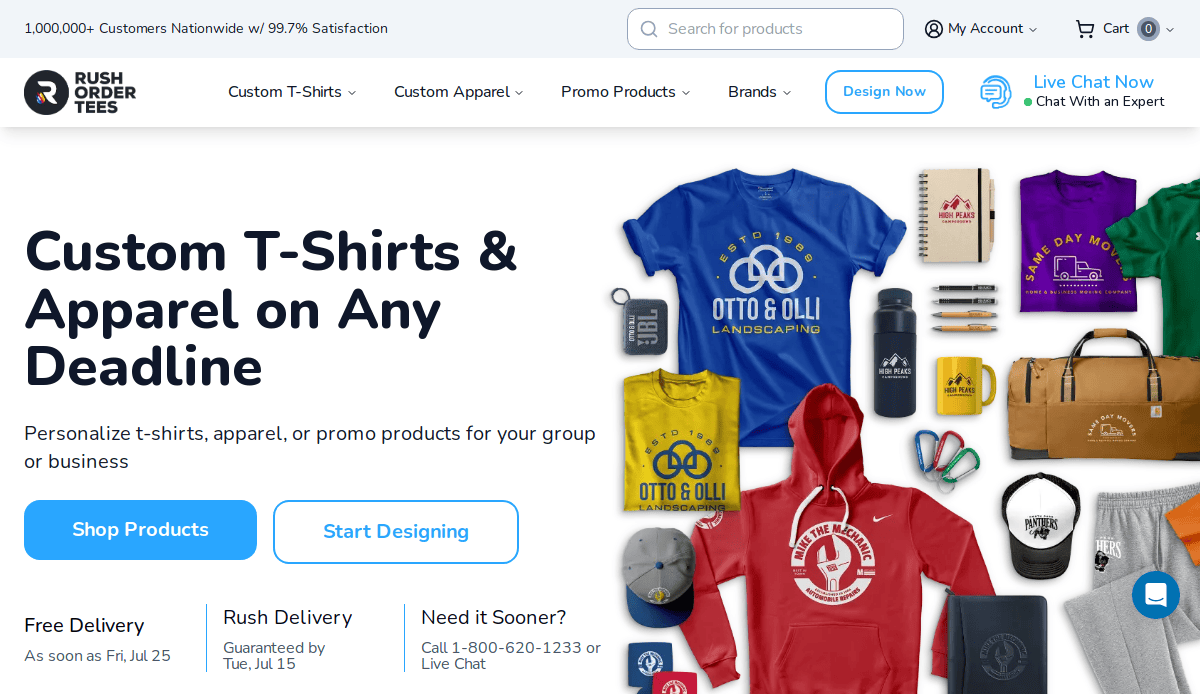
15. Rush Order Tees
Location: Philadelphia, PA
Key Takeaways:
- Real-time quotes and order timelines.
- Strong backend design tool for placement on shirts.
- Emphasis on customer service and repeat business.
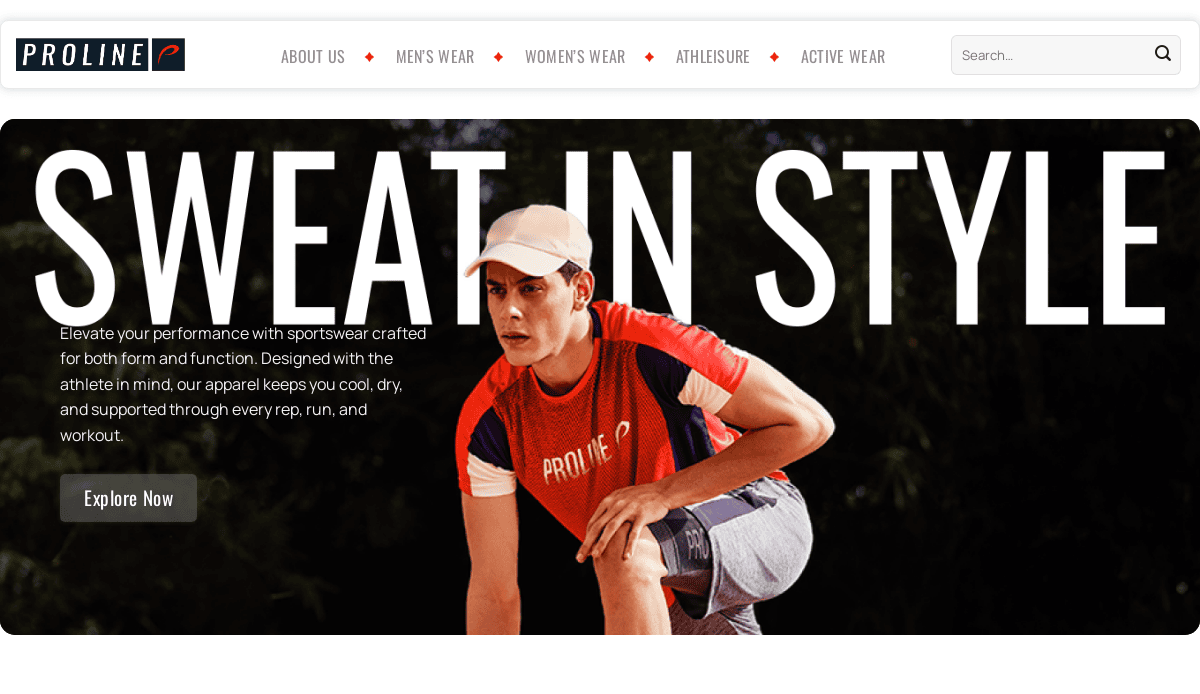
16. ProLine Sportswear
Location: Mumbai, India
Key Takeaways:
- Bold sports branding with organized team apparel sections.
- Strong visual hierarchy for product navigation.
- Highlighted sections for quick custom quotes.
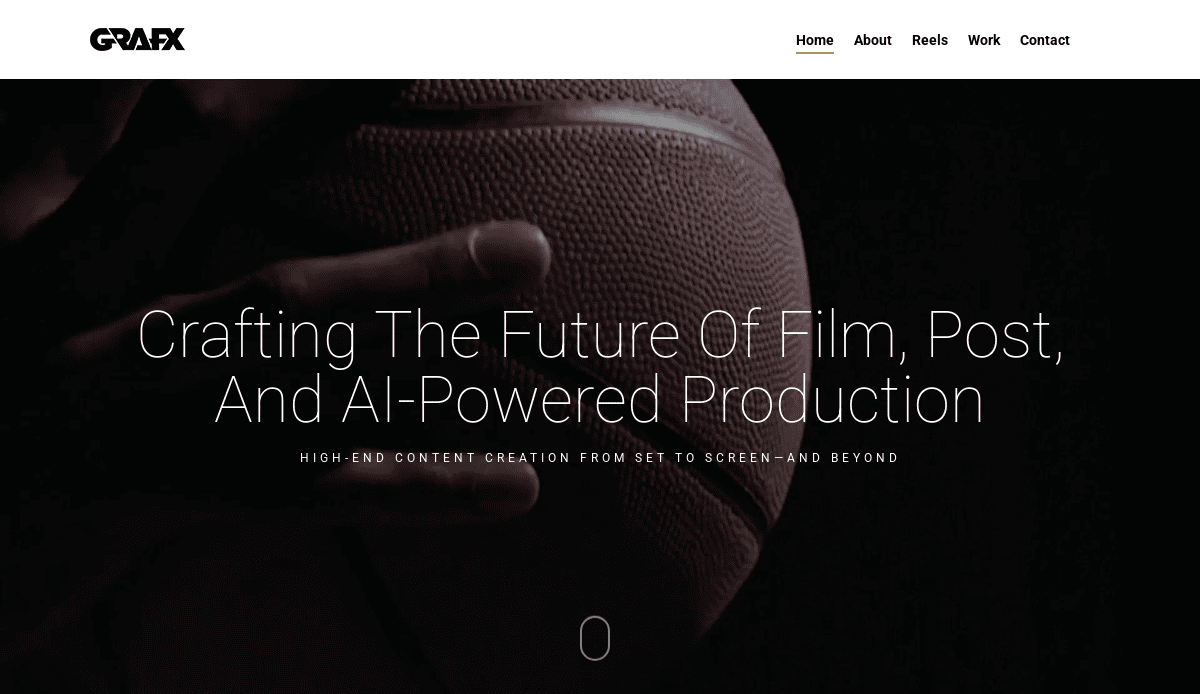
17. GRAFX CO (by CyberOptik)
Location: Glen Ellyn, IL
Key Takeaways:
- Focused on local business branding and promotional wear.
- Use of full-screen banners and effective design concepts.
- Easy quote request and streamlined contact flow.
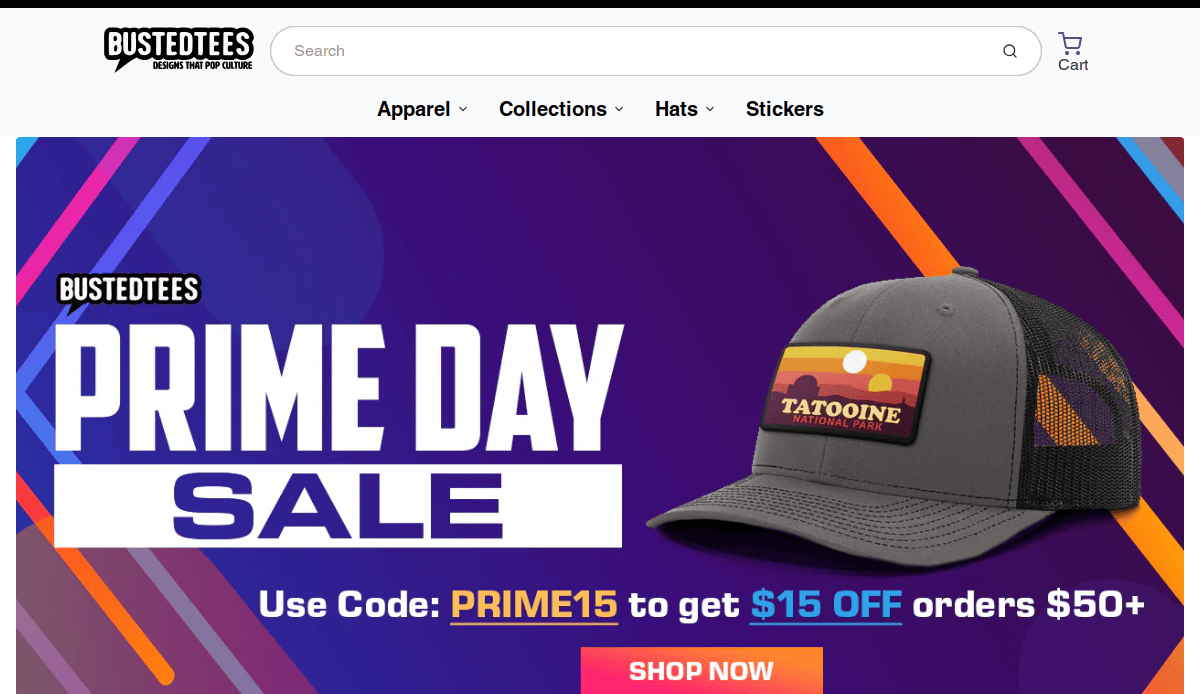
18. BustedTees
Location: New York, NY
Key Takeaways:
- Memetic, viral content featured on t-shirts.
- Upfront shipping and product detail information.
- Fast checkout with strong retargeting hooks.
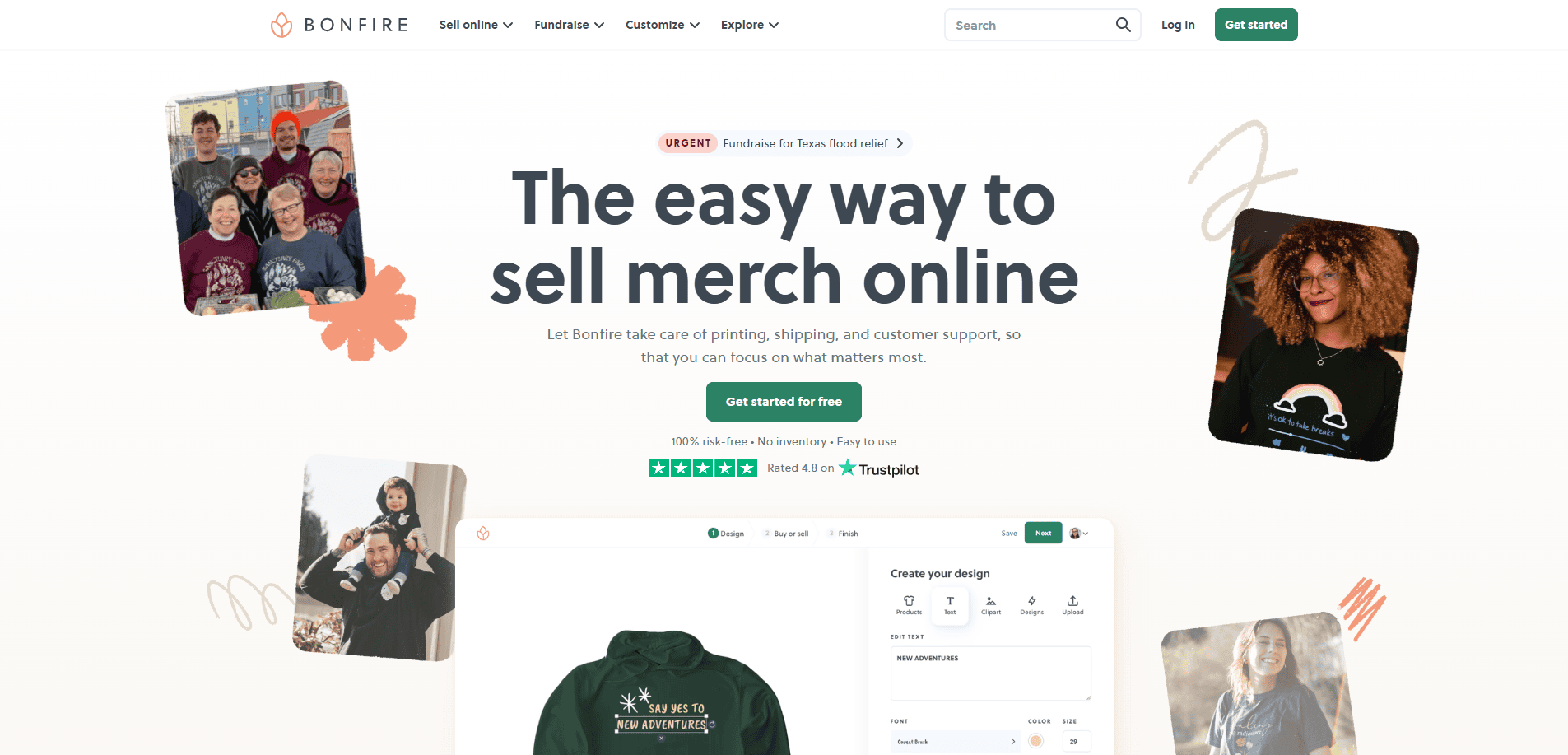
19. Bonfire
Location: Richmond, VA
Key Takeaways:
- Fundraising-focused shirt design platform.
- Great onboarding for nonprofits and creators.
- Clean design that focuses on user intent.
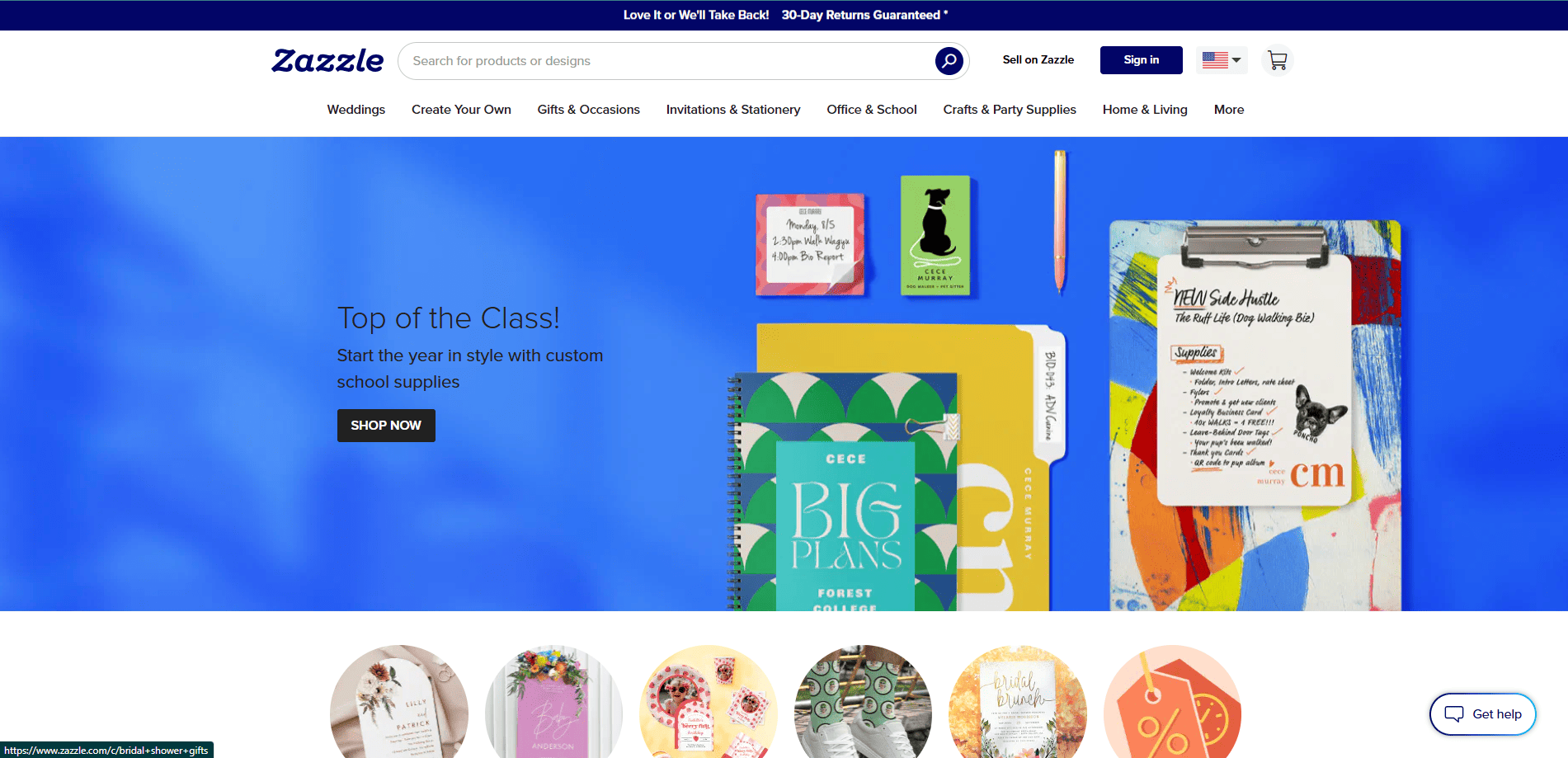
20. Zazzle
Location: Redwood City, CA
Key Takeaways:
- Wide array of customizable apparel beyond t-shirts.
- Filtered views by design and logo placement.
- Trusted brand with strong fulfillment reliability.
Take Your T-Shirt Website from Idea to Impact
From logo placement to choosing the right shirt size, every design and layout decision shapes the customer experience. Whether you’re planning a front design with bold text or tailoring a sleeve design placement to feature your brand, each element plays a role in how shoppers view and trust your online store. Smart print placement strategies, thoughtful navigation, and a commitment to quality all contribute to building the perfect t-shirt website experience for potential clients.
If you’re ready to make the impact of your design stand out and build a professional online presence, contact us to get started with expert WordPress website design tailored for the apparel industry.
T-Shirt Web Design Frequently Asked Questions
What makes a t-shirt website design successful?
Successfully crafting your design combines clean visuals, fast performance, intuitive navigation, and strong messaging. These elements help engage visitors and encourage them to make a purchase or submit a custom design request.
How should the layout of a t-shirt website be organized?
An effective layout should include a strong homepage, product categories with filters, customization tools, and clear calls-to-action. Each section should guide users toward exploring products or starting their own design.
What features do customers expect on a modern apparel site?
Customers expect responsive design, clear product visuals, customization options, simple navigation, and trust signals like reviews and security badges. Mobile compatibility and fast loading speeds are also critical.
Why is user experience essential for custom apparel websites?
User experience impacts how easily customers can browse, customize, and purchase shirts. A smooth and frustration-free experience increases time on site, reduces bounce rates, and leads to more sales.
How can design tools improve a t-shirt website?
Interactive design tools allow users to visualize their ideas in real-time. These features increase engagement and reduce uncertainty, leading to higher conversion rates and fewer customer service questions.
What kind of content helps support a product page?
Clear images, detailed descriptions, size guides, and customization previews all help. Including social proof, such as customer photos or testimonials, can also reinforce purchase decisions.
How do you choose the right visuals for a t-shirt site?
Use high-quality photos with consistent lighting and diverse models. Include multiple angles and zoom functionality so users can examine designs up close. Keep visual branding cohesive throughout the site.
Should you include customer stories or design showcases?
Yes. Featuring real customer designs or stories humanizes your brand and inspires new customers. It also adds authenticity and encourages community participation.
What are the best calls-to-action for a t-shirt business?
Effective CTAs include “Start Your Design,” “Browse Styles,” “Get a Quote,” or “Create Custom Apparel.” Place them where users naturally look for next steps—on hero banners, product pages, and sticky menus.
Is it worth hiring a professional designer for your t-shirt website?
Yes. A professional designer ensures your website aligns with your brand, performs well across devices, and supports SEO and marketing efforts. The investment often pays off in better engagement and sales.