
Just looking for our Best Mortgage Website examples list?
In a highly competitive market like the mortgage industry, your website isn’t just a digital business card—it’s your best lead generation tool. Whether you’re a seasoned mortgage broker or a loan officer just getting started, a high-performing mortgage website can be the difference between consistent client inquiries and complete digital silence.
Key Takeaways:
Establish Trust with Professional Design: A clean, modern website design with intuitive navigation and clear calls-to-action builds credibility and encourages potential clients to engage with your mortgage services.
Optimize for Mobile Users: With a growing number of users accessing websites via mobile devices, ensuring your website is fully responsive enhances user experience and accessibility.
Highlight Client Testimonials and Success Stories: Showcasing positive client experiences and successful mortgage solutions can build trust and demonstrate your expertise in the mortgage industry.
Implement Clear and Accessible Contact Options: Providing multiple, easily accessible contact methods, such as phone numbers, email addresses, and contact forms, facilitates communication and improves lead generation.
Ensure Compliance and Security: Displaying compliance certifications and implementing robust security measures reassures visitors about the safety and legitimacy of your mortgage services.
By focusing on these key elements, your mortgage website can effectively attract and convert visitors, establishing a strong online presence in the competitive mortgage industry.
Why Mortgage Website Design Matters More Than Ever
Today’s potential clients judge your credibility, professionalism, and trustworthiness within seconds of landing on your site. That’s why top-tier website design is no longer optional. A well-designed website does more than just look good; it guides users through a seamless experience that builds trust, educates visitors, and ultimately drives them to take action.
From clean navigation to strategically placed calls-to-action, the best websites combine visual appeal with conversion science. But great design doesn’t stop there. Elements like SEO, mobile responsiveness, and fast load times all work together to boost your visibility in search engine results and provide a positive user experience.
Allow us to break down everything you need to know about website design, from essential features to the latest design trends, helping you create a site that looks professional and delivers measurable business results.
Website Planning & Purpose
Before a single line of code is written or a color palette is selected, a clear website plan must be established. For mortgage professionals, this planning phase is critical because your website must serve more than just aesthetic purposes. It needs to actively support lead generation, grow trust with potential clients, and communicate your value proposition in seconds.
Start by identifying the primary goals of your mortgage website. Are you looking to attract first-time homebuyers, refinance clients, or commercial borrowers? Each audience has unique concerns and expectations. Clarifying your audience helps inform the content structure, tone of voice, and visual elements that will resonate best.
Next, define the key actions you want visitors to take. Whether it’s scheduling a consultation, submitting a loan application, or downloading a mortgage guide, your calls-to-action must be front and center. Clear paths for UX improve the user experience and directly influence your conversion rates.
Effective planning also involves competitive research. Look at other mortgage broker websites to evaluate what’s working in your market—and what isn’t. Identify opportunities to differentiate yourself with a more personalized approach or enhanced functionality.
Lastly, establish your site structure. Planning how pages will interconnect and flow ensures your users won’t get lost in a maze of dead ends. Strategic page hierarchies, breadcrumb navigation, and focused content all contribute to a well-organized user experience.
For a more detailed breakdown of this process, check out our step-by-step guide to the web design process. This foundational phase is where clarity meets creativity, setting the stage for a website that truly delivers.
Design Principles for High-Impact Mortgage Websites
Design principles are the visual and functional rules that determine whether your website simply exists or performs. In this industry, every design choice should support credibility, clarity, and conversion.
Visual Hierarchy: Prioritize your most important messages. Headlines, key services, and calls-to-action should stand out immediately using size, contrast, and placement. A clear visual flow keeps users engaged and guides them where you want them to go.
Consistency: Maintain a uniform color scheme, typography, and layout style across every page. This builds brand recognition and helps users feel oriented as they move through your site.
Whitespace and Clean Layouts: Avoid clutter. A streamlined design with ample spacing ensures your content is digestible, your site looks modern, and users can navigate with ease, crucial for guiding loan applicants through complex information.
Mobile Responsiveness: Over half of all website traffic comes from mobile devices. Your mortgage website must adapt seamlessly to every screen size, offering an intuitive experience for clients who may be browsing on-the-go.
Fast Load Times: A delay of even one second in page load time can cause potential clients to leave. Optimize images, streamline code, and use reliable hosting to keep your site lightning fast.
Accessibility: An inclusive site benefits everyone. Use alt text for images, ensure proper color contrast, and allow for keyboard navigation to reach users of all abilities.
Trust Signals: Incorporate testimonials, security badges, and mortgage credentials to reassure visitors that they’re dealing with a reputable and qualified professional.
For more foundational insights into successful design, explore our core principles of web design guide. Applying these principles will ensure your website isn’t just attractive—it’s effective, impactful, and built to convert.
Content & Navigation
Strong content and smart navigation go hand in hand. Where clarity and trust are paramount, your website content must be well-structured, easy to find, and tailored to the needs of diverse clients at various stages of their home-buying or refinancing journey.
Start by organizing your content around the user journey. Typical pages include Home, About, Services, Loan Options, FAQs, Blog, and Contact. Each page should serve a distinct purpose and move the visitor closer to conversion. Avoid vague page titles or combining unrelated content—each topic deserves its own space.
Your homepage should clearly communicate who you are, what you offer, and how you help. Use brief, benefit-driven headlines with easy-to-digest sections that link to deeper pages. This improves Ux and enhances your site’s SEO by establishing keyword-rich page pathways.
Loan-specific pages—like FHA, VA, Conventional, and Refinance loans—should include clear explanations, eligibility requirements, and calls-to-action. These targeted pages help address the concerns of specific client segments while supporting your site’s SEO visibility for niche mortgage terms.
Incorporate trust-building content such as testimonials, case studies, and reviews prominently across the site. These elements provide social proof and encourage hesitant visitors to engage.
When it comes to navigation, simplicity wins. A clean top menu with dropdowns for major categories makes it easy for users to find what they need without feeling overwhelmed. Sticky headers and footer menus offer convenient access to core pages from anywhere on the site.
Finally, implement internal linking between pages. Guide visitors from blog content to service pages, or from FAQs to contact forms. These internal pathways reduce bounce rates and keep users engaged longer, both of which benefit SEO and conversions.
By structuring your website with a content-first mindset and intuitive navigation, you create a seamless experience that speaks to user needs and supports your business goals.
Visual Elements That Strengthen the Mortgage Brand
Visual elements are far more than aesthetic choices—they are critical tools for communicating brand identity, building trust, and enhancing user experience. Where prospects often arrive overwhelmed and cautious, the right visuals can make a site feel both professional and approachable.
Color Palette: Choose a palette that aligns with your brand personality. Blues and greens often convey trust, stability, and financial expertise. Use accent colors to guide attention to key calls-to-action or important sections like calculators and contact forms.
Typography: Opt for clean, readable fonts that reflect a professional tone. Avoid overly stylized typefaces that can distract or confuse. Use font weight and size hierarchy to establish visual structure and improve legibility.
Imagery: Select high-quality, authentic images that reflect your audience. Feature photos of real homes, satisfied clients, and professional team members. Avoid generic stock photos, which can dilute trust and appear impersonal.
Icons and Graphics: Use icons to visually break up dense content and communicate complex ideas quickly, such as loan types, service steps, or mortgage tools. Custom illustrations can reinforce branding and differentiate your site from competitors.
Video Content: Consider embedding short explainer videos or client testimonials. Videos are engaging, offer a personal touch, and can increase time-on-page, boosting both engagement and SEO value.
Visual CTAs: Design buttons and banners that stand out without being disruptive. Use contrasting colors and concise language like “Get Pre-Qualified” or “Book a Free Consultation” to drive action.
Brand Consistency: All visual elements—from your logo and icons to imagery and layout—should reinforce a cohesive brand message. Consistency signals reliability and professionalism, essential traits for any mortgage provider.
When thoughtfully executed, visual design supports usability, enhances brand recall, and client confidence. The result is a website that serves with purpose.
Ongoing WordPress Maintenance for Mortgage Websites
Launching a website is only the beginning. Keeping it secure, fast, and functional requires regular maintenance, especially with WordPress, which powers the majority of small business websites and is constantly evolving.
Security Updates: Professional websites often collect sensitive client information through application forms and contact submissions. Keeping WordPress core files, themes, and plugins up to date helps protect against vulnerabilities and malicious attacks.
Backup Systems: Routine backups ensure you can quickly restore your site in case of a technical failure, hack, or accidental error. Set up both automated and manual backup options, and store copies in multiple secure locations.
Plugin and Theme Management: Outdated or unsupported plugins can slow down your site or break functionality. Regularly audit your installed tools and remove anything unused or unnecessary. Stick with reputable, well-supported plugins tailored for business use.
Performance Optimization: Periodic speed tests and load-time checks help identify bottlenecks. Compress large images, enable caching, and evaluate hosting infrastructure to ensure optimal performance for both desktop and mobile users.
Content Updates: Mortgage rates, services, and regulations change frequently. Update your content regularly to keep information accurate and relevant. A fresh blog, current team bios, and updated FAQs show visitors your business is active and trustworthy.
SEO Audits: Routine SEO checks keep your site competitive. Monitor keyword rankings, fix broken links, update metadata, and make sure your content structure still supports current search behavior.
Accessibility and Compliance: Review ADA compliance and ensure your site is accessible to all users. This includes contrast checks, screen reader compatibility, and keyboard navigability.
Investing in ongoing maintenance extends the lifespan of your website, supports performance, trust, and long-term growth.
Best Mortgage Website Design Examples
Here are 20 standout mortgage company websites, each exemplifying effective design elements and user experience strategies:
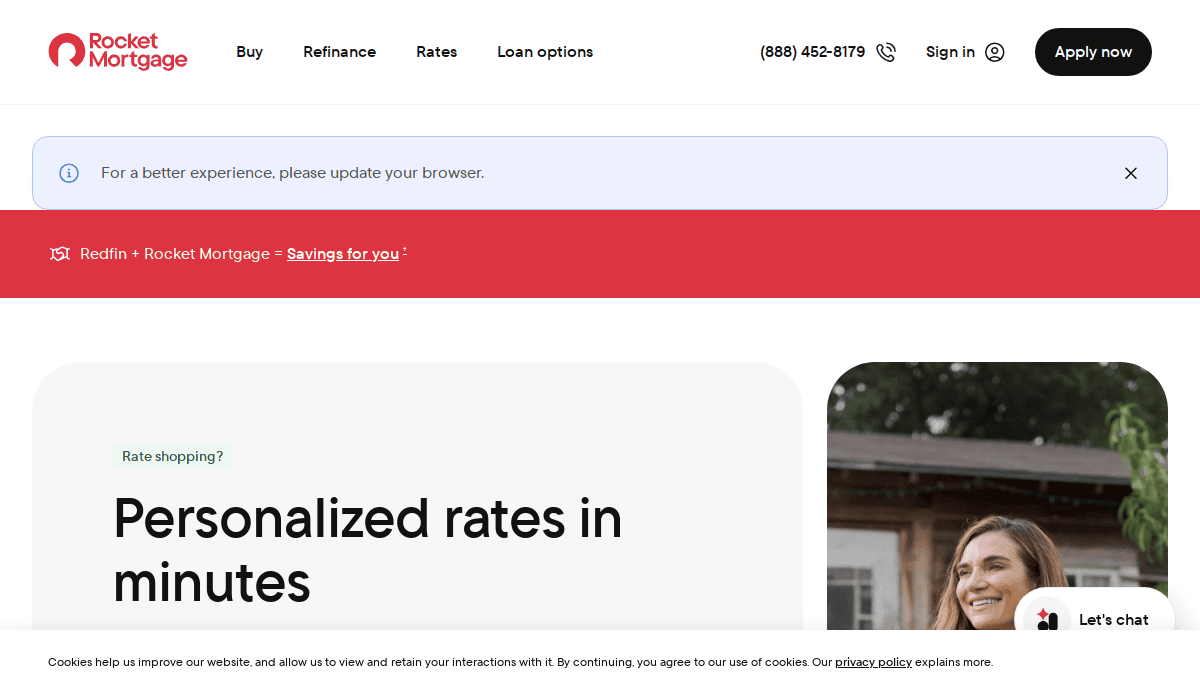
1. Rocket Mortgage
Location: Detroit, MI
Key Takeaways:
- Streamlined application process with a user-friendly interface.
- Prominent call-to-action buttons for quick navigation.
- Responsive design ensures accessibility across devices.
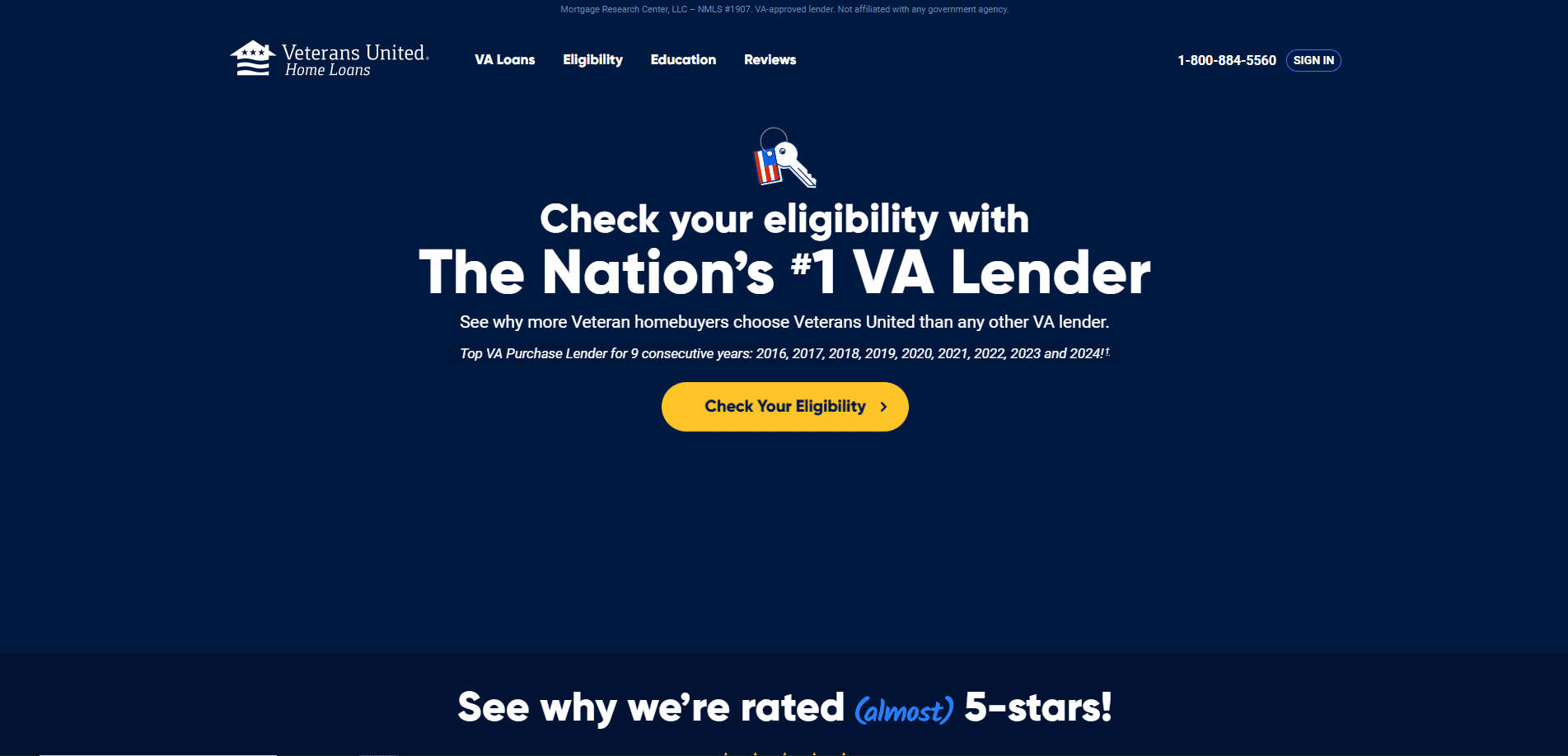
2. Veterans United Home Loans
Location: Columbia, MO
Key Takeaways:
- Dedicated resources for veterans seeking home loans.
- Comprehensive educational content on VA loans.
- User testimonials enhancing credibility.
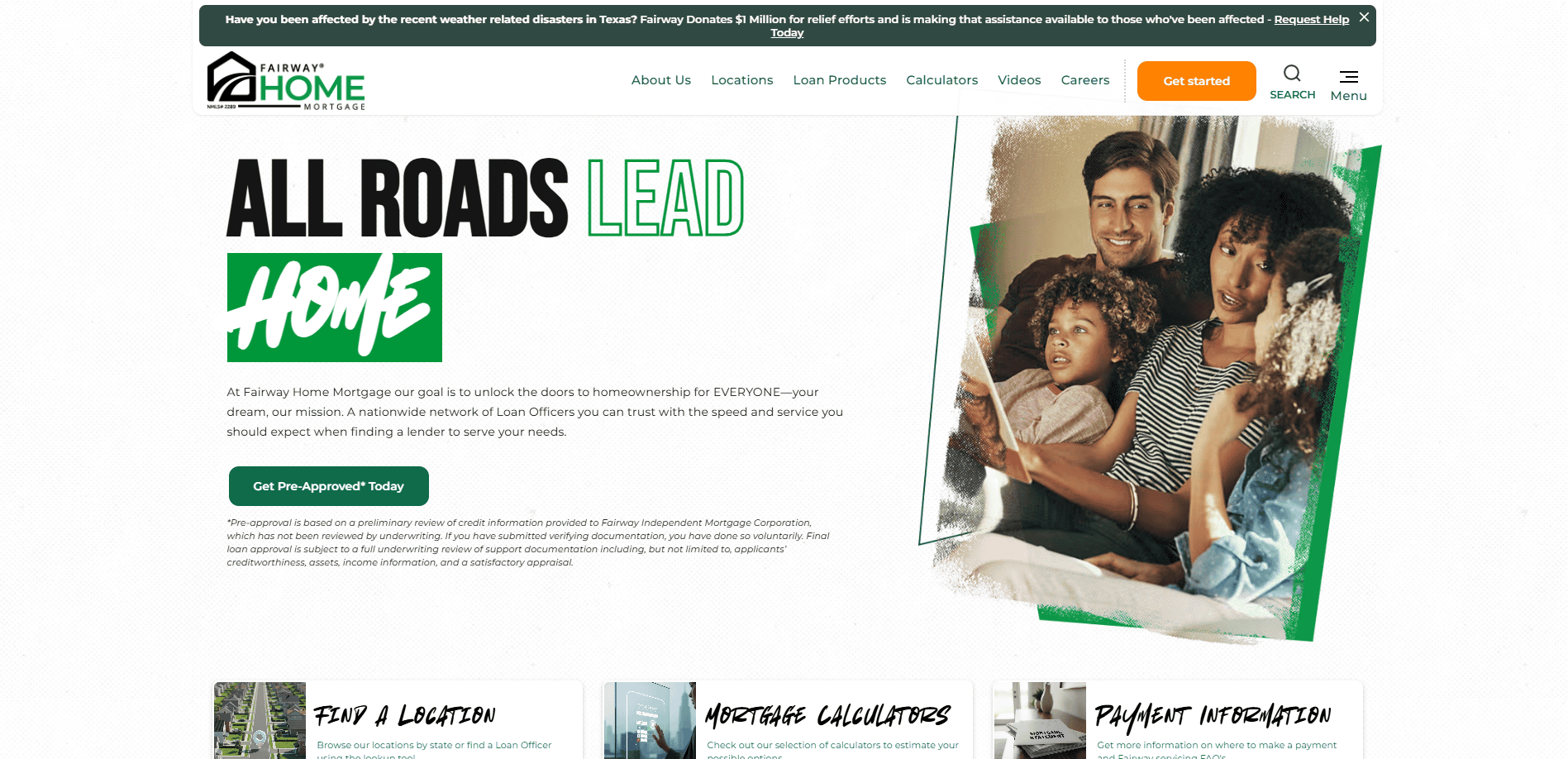
3. Fairway Independent Mortgage Corporation
Location: Madison, WI
Key Takeaways:
- Interactive tools for mortgage calculations.
- Clean layout with intuitive navigation.
- Informative blog posts addressing common mortgage queries.
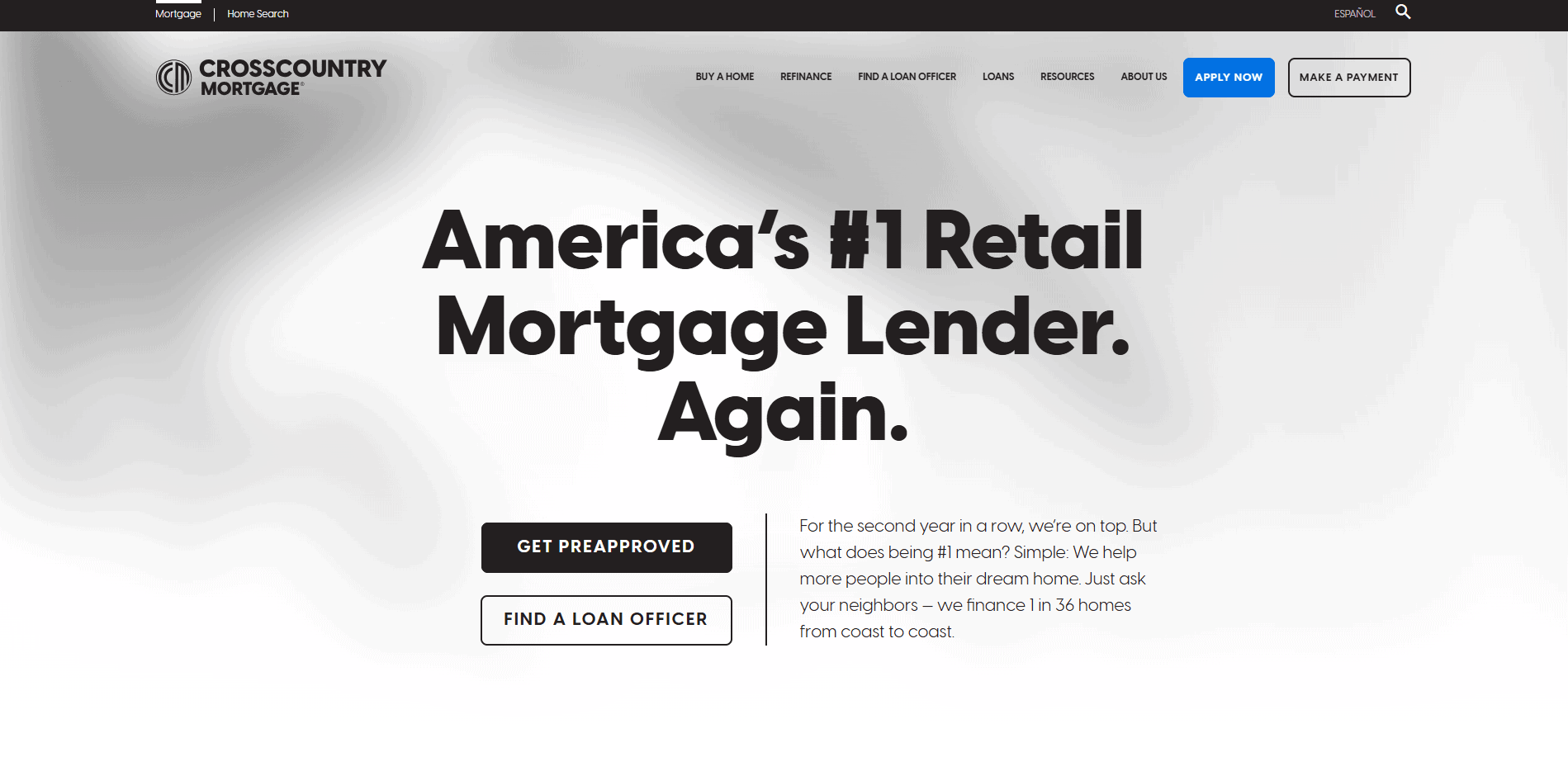
4. CrossCountry Mortgage
Location: Cleveland, OH
Key Takeaways:
- Personalized loan options based on user input.
- Engaging visuals depicting successful homeownership stories.
- Accessible contact forms for immediate assistance.
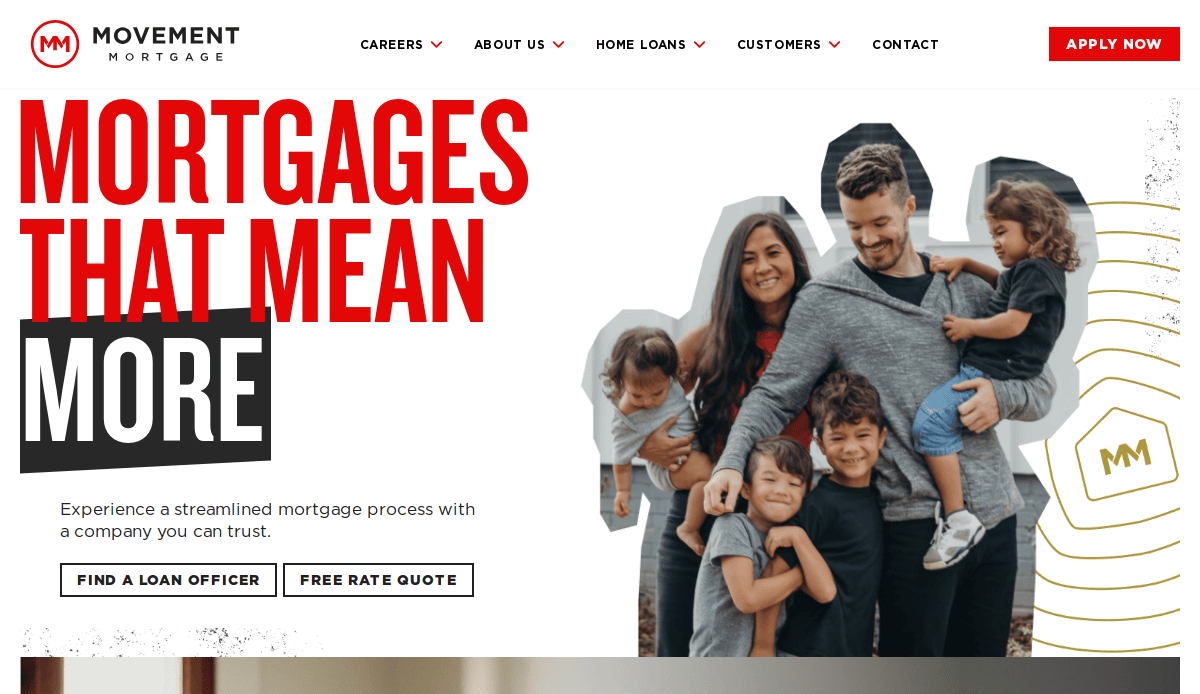
5. Movement Mortgage
Location: Indian Land, SC
Key Takeaways:
- Emphasis on community involvement and company culture.
- Simplified loan process explanations.
- Mobile-optimized design for on-the-go users.
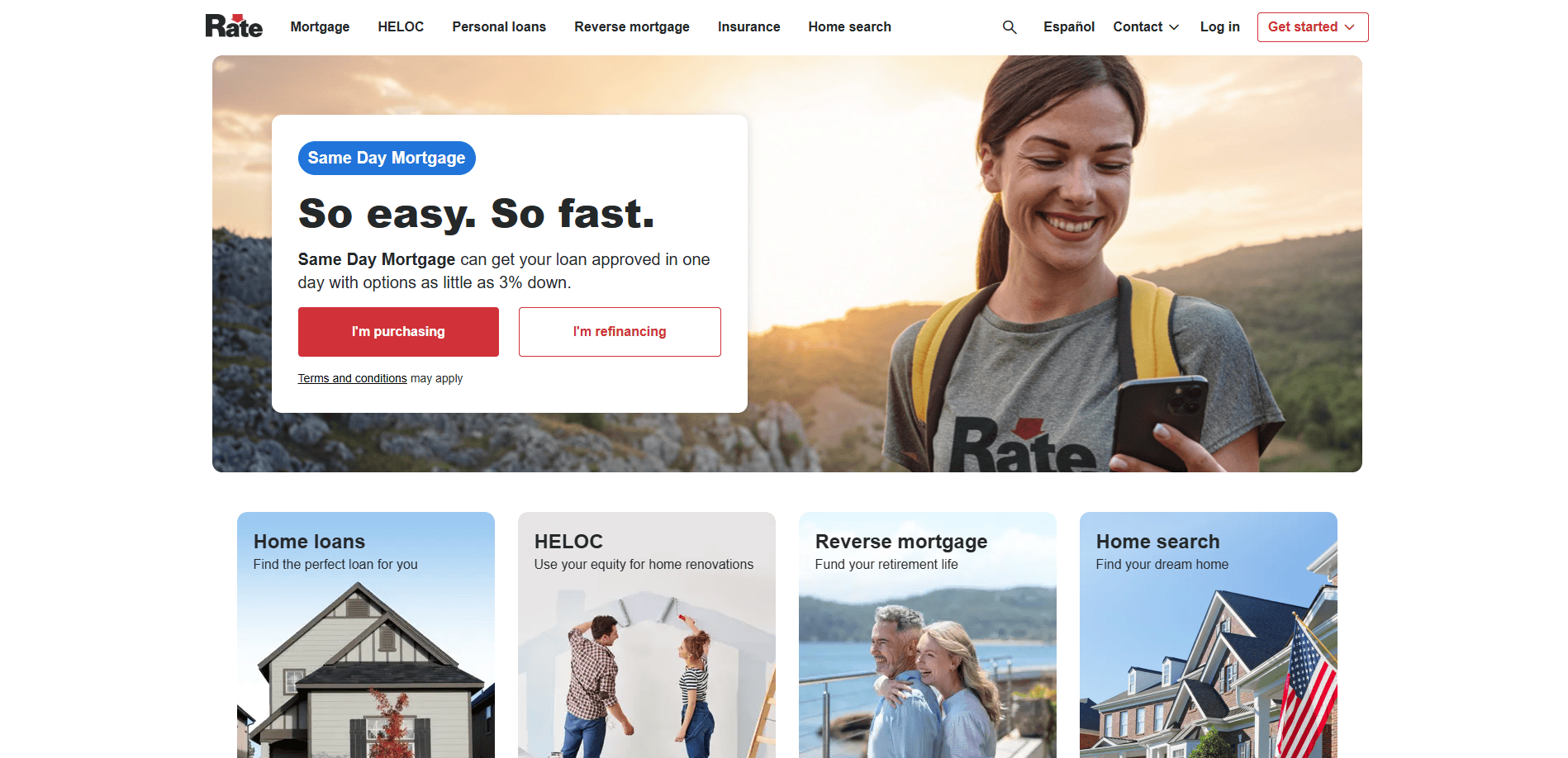
6. Guaranteed Rate
Location: Chicago, IL
Key Takeaways:
- Real-time rate quotes available on the homepage.
- Detailed loan product descriptions.
- Customer reviews prominently displayed.
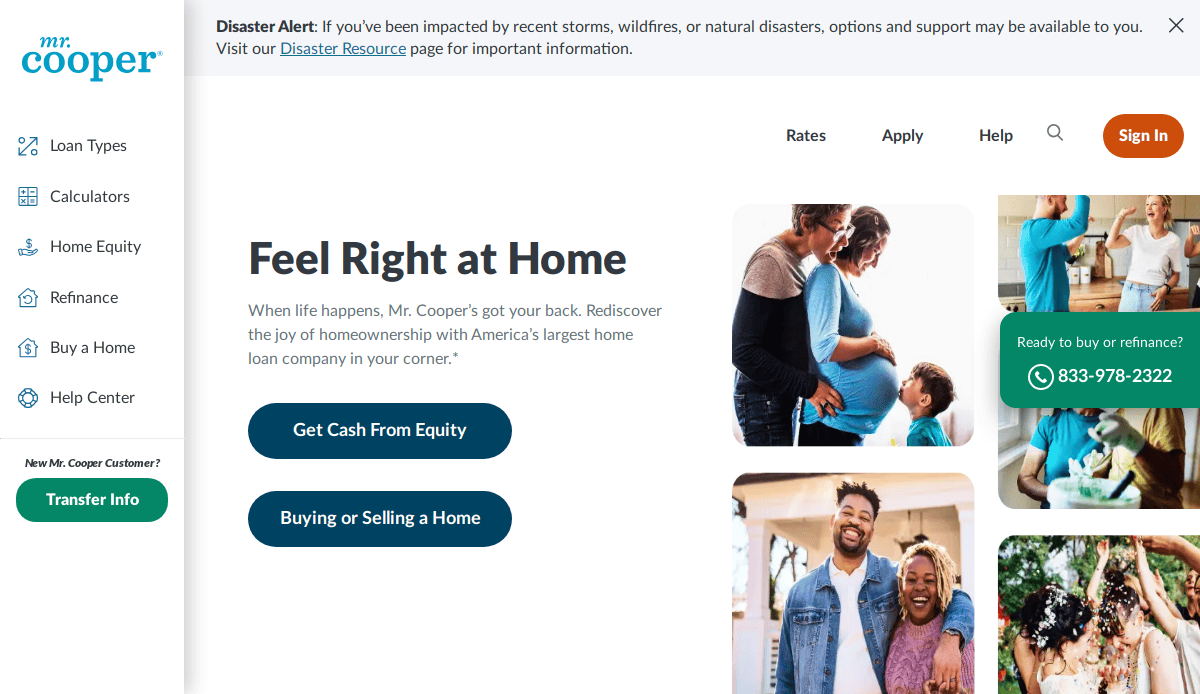
7. Mr. Cooper
Location: Coppell, TX
Key Takeaways:
- Comprehensive dashboard for existing customers.
- Educational resources for first-time buyers.
- Secure login and document upload features.
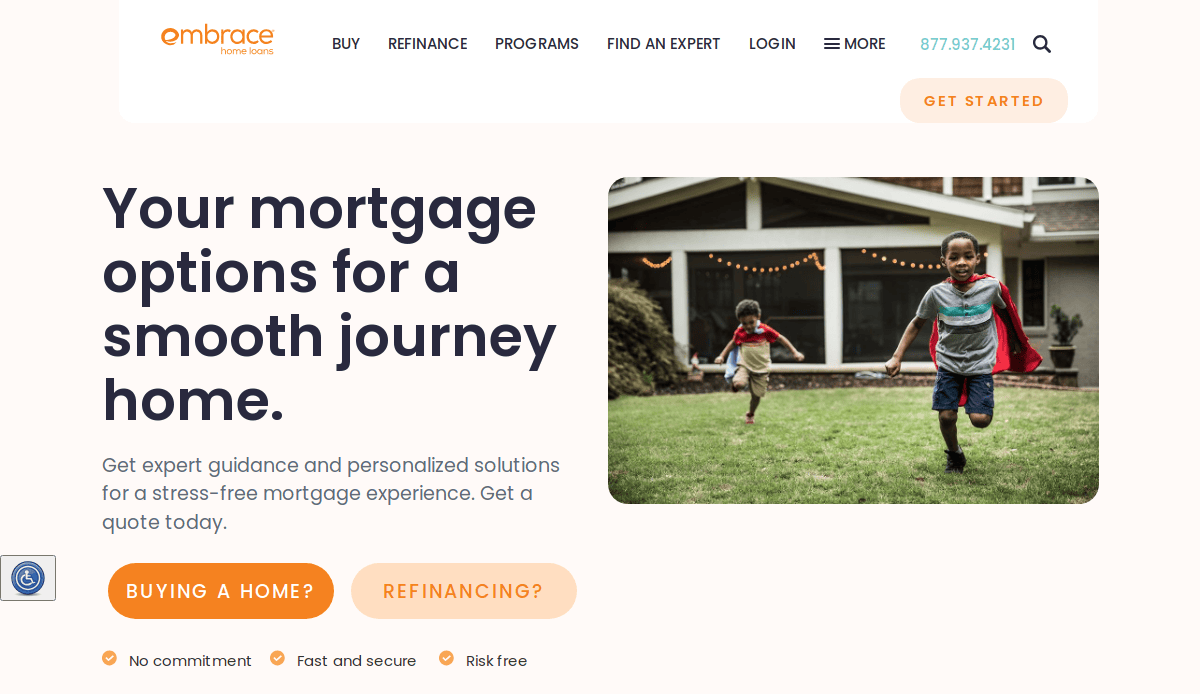
8. Embrace Home Loans
Location: Middletown, RI
Key Takeaways:
- User-centric design focusing on ease of navigation.
- Transparent loan process outlined step-by-step.
- Live chat support for immediate queries.
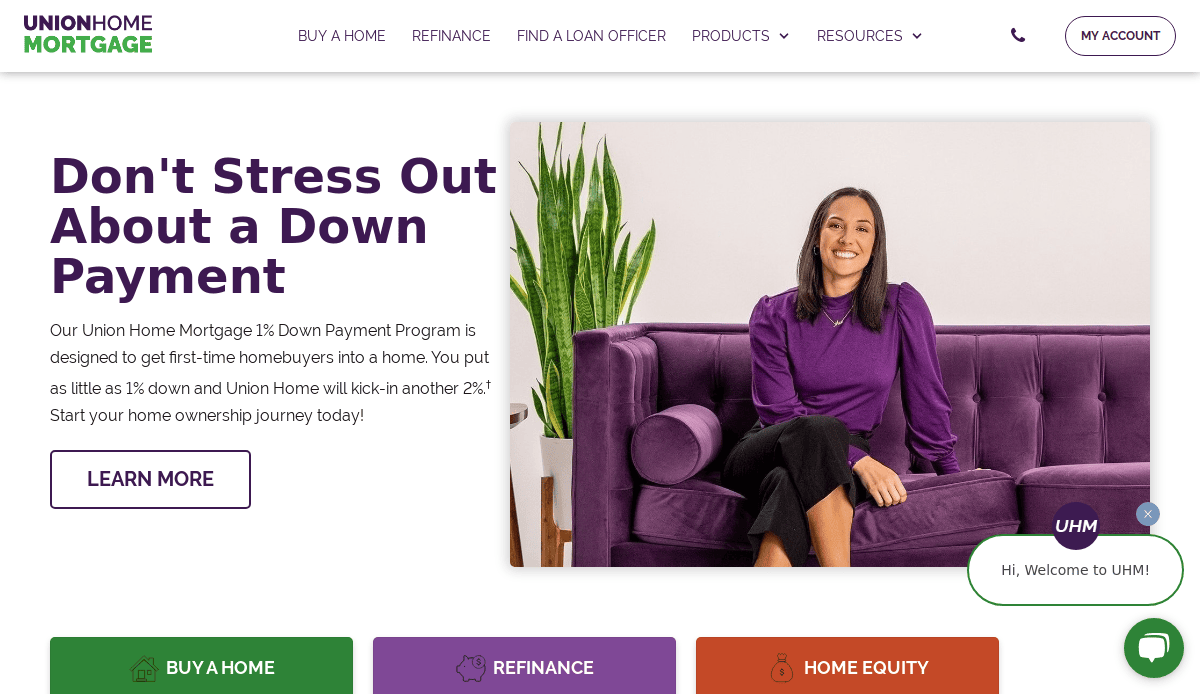
9. Union Home Mortgage
Location: Strongsville, OH
Key Takeaways:
- Interactive mortgage calculators.
- Clear presentation of loan options.
- Strong emphasis on customer service.
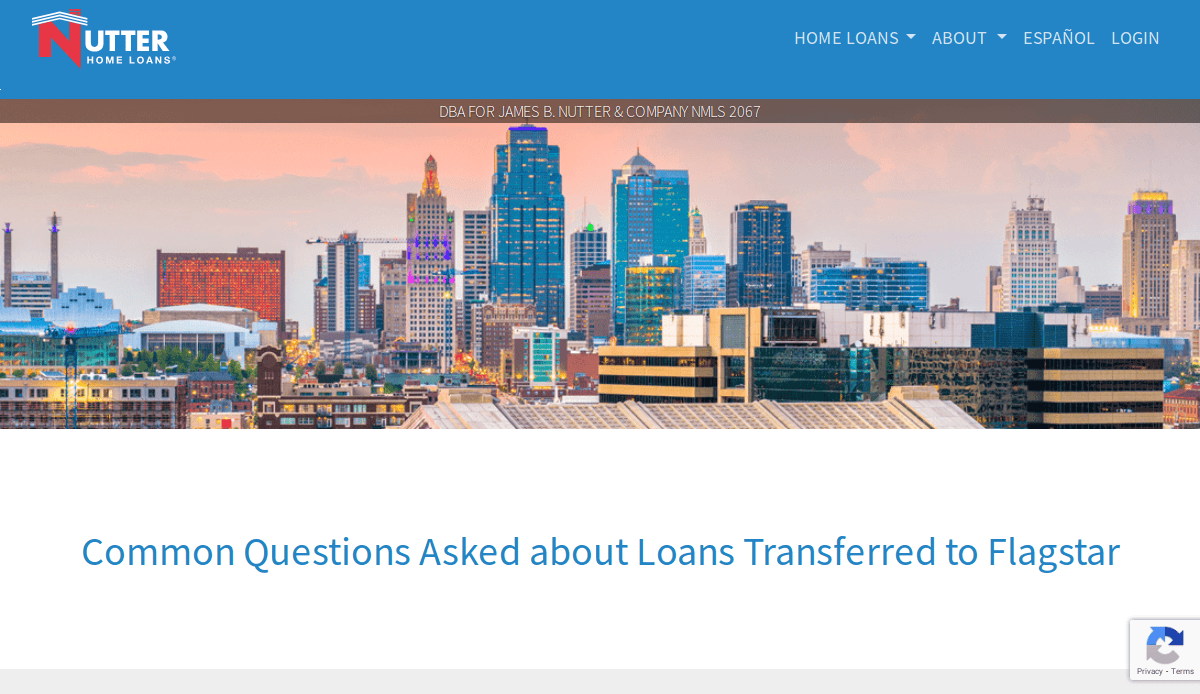
10. James B. Nutter & Company
Location: Kansas City, MO
Key Takeaways:
- Long-standing history enhancing trust.
- Simple design focusing on essential information.
- Accessible resources for various loan types.
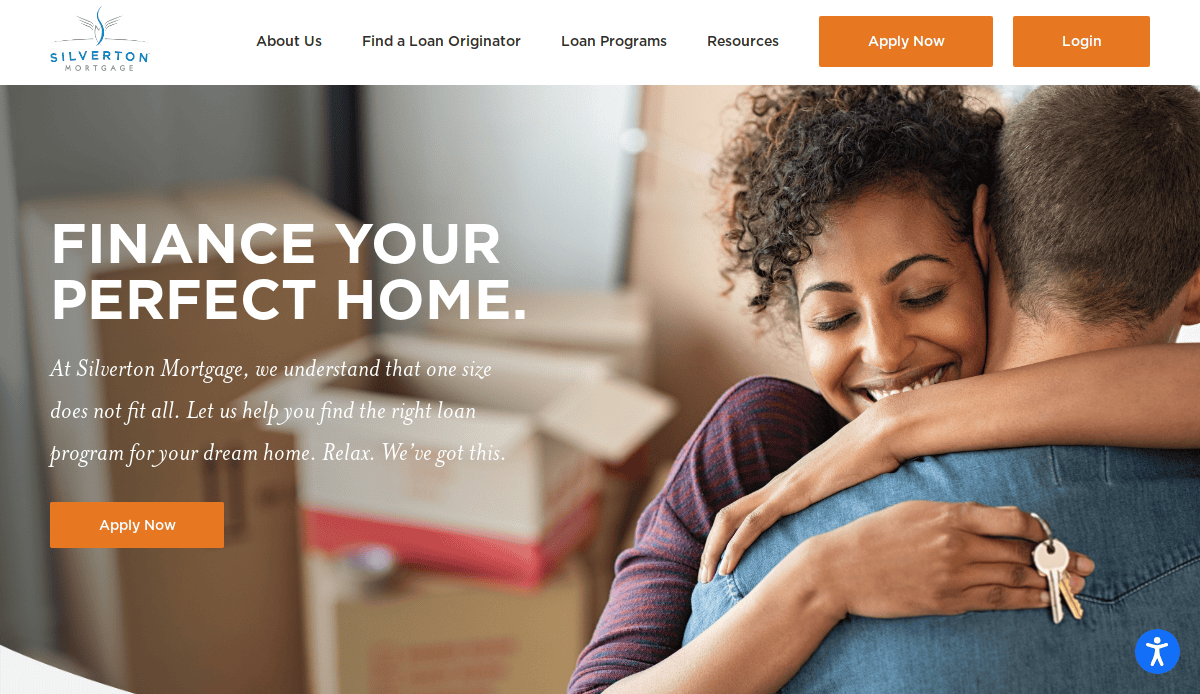
11. Silverton Mortgage
Location: Atlanta, GA
Key Takeaways:
- Welcoming imagery creates a comforting atmosphere.
- Concise information on loan offerings.
- Community involvement highlighted.
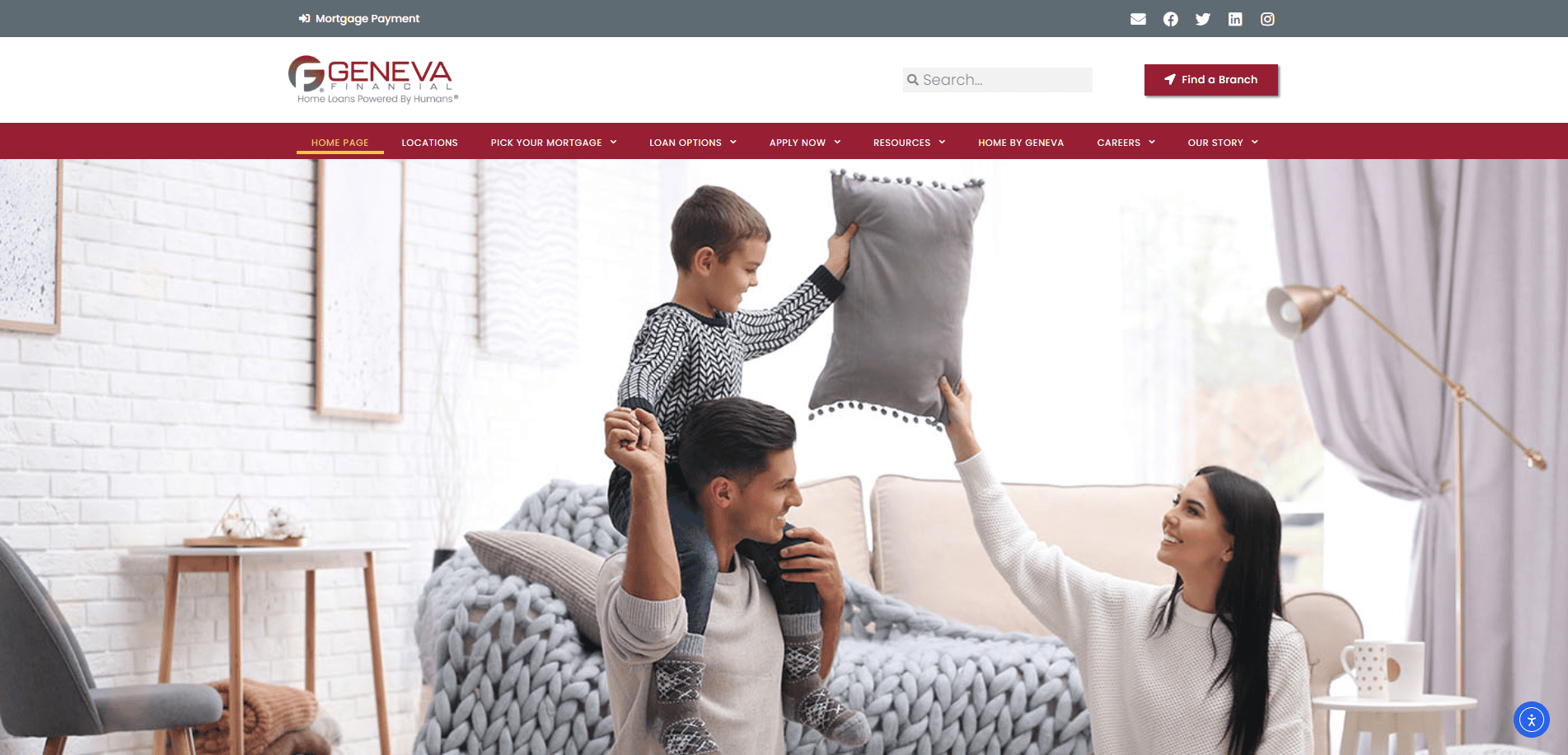
12. Geneva Financial
Location: Chandler, AZ
Key Takeaways:
- Showcases company achievements and awards.
- Transparent statistics on operations.
- User-friendly interface for loan exploration.
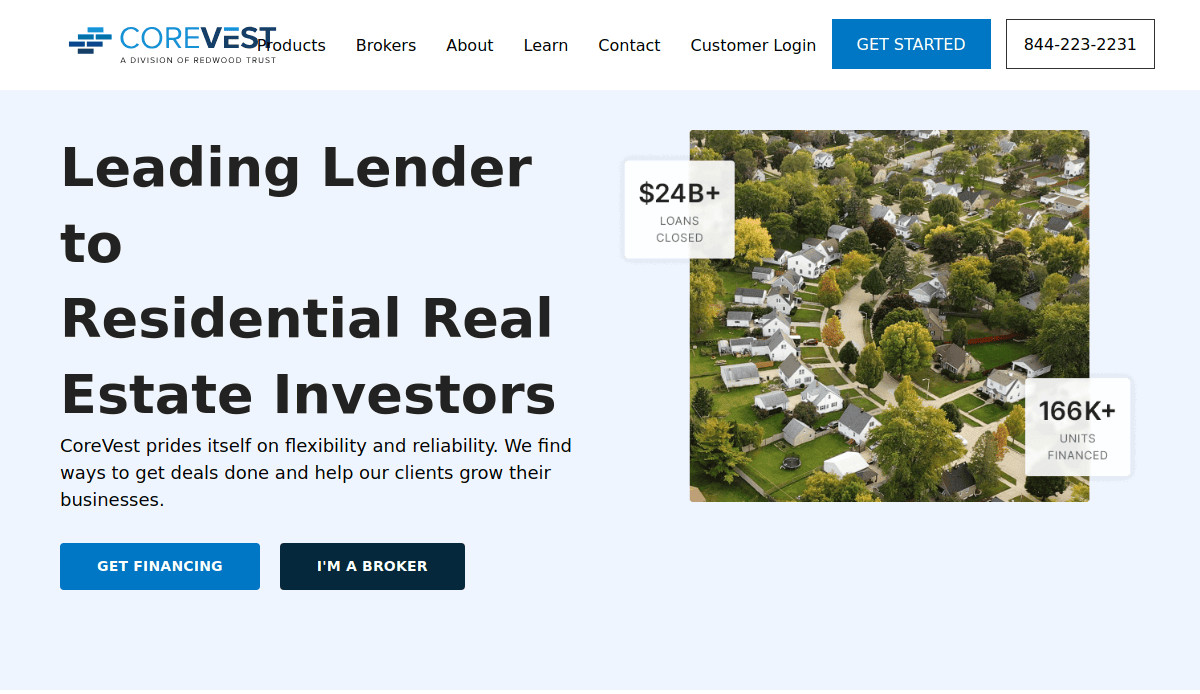
13. CoreVest Finance
Location: Irvine, CA
Key Takeaways:
- A professional color scheme instills confidence.
- Prominent ‘Get Started’ call-to-action.
- Informative charts and diagrams.
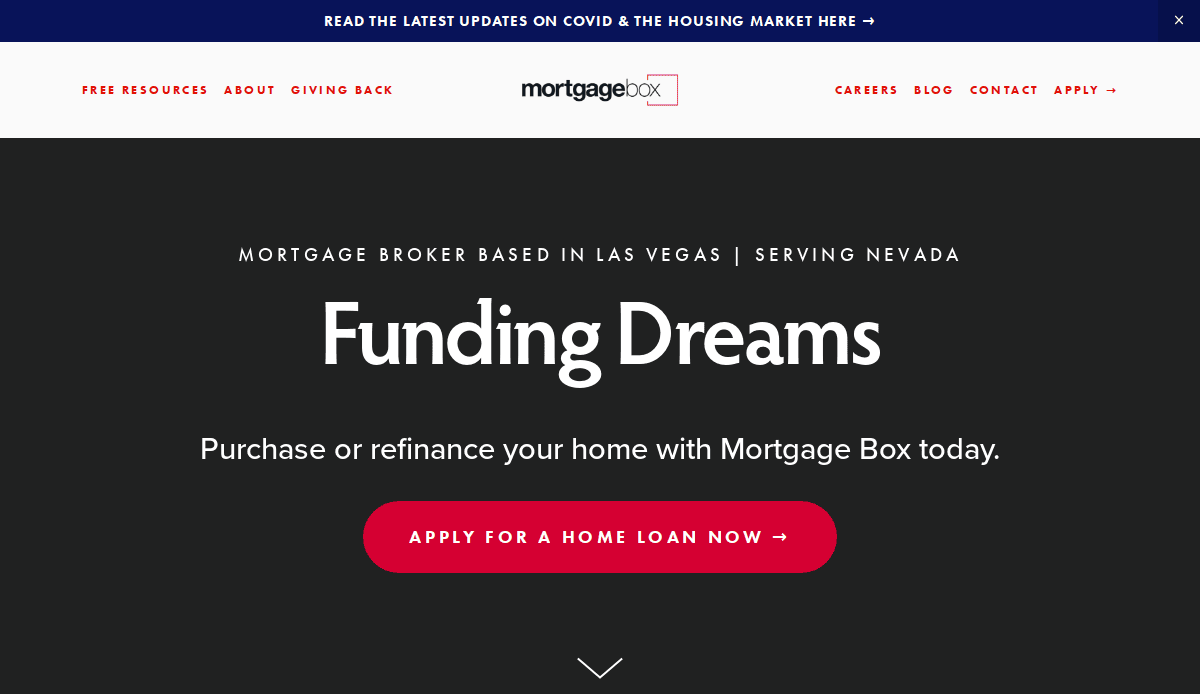
14. Mortgage Box
Location: San Francisco, CA
Key Takeaways:
- Offers free email training for potential clients.
- Immediate loan application options.
- Engaging video content explaining services.
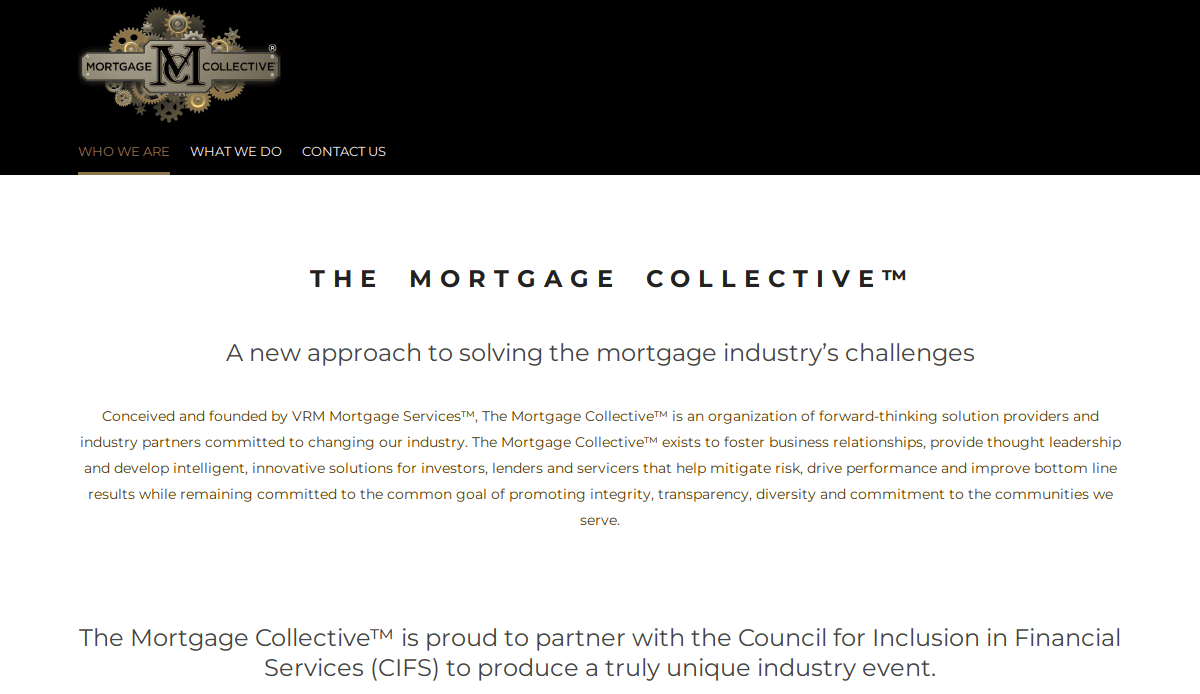
15. The Mortgage Collective
Location: Los Angeles, CA
Key Takeaways:
- Focus on generational wealth creation.
- User-friendly design with clear navigation.
- Personalized mortgage solutions.
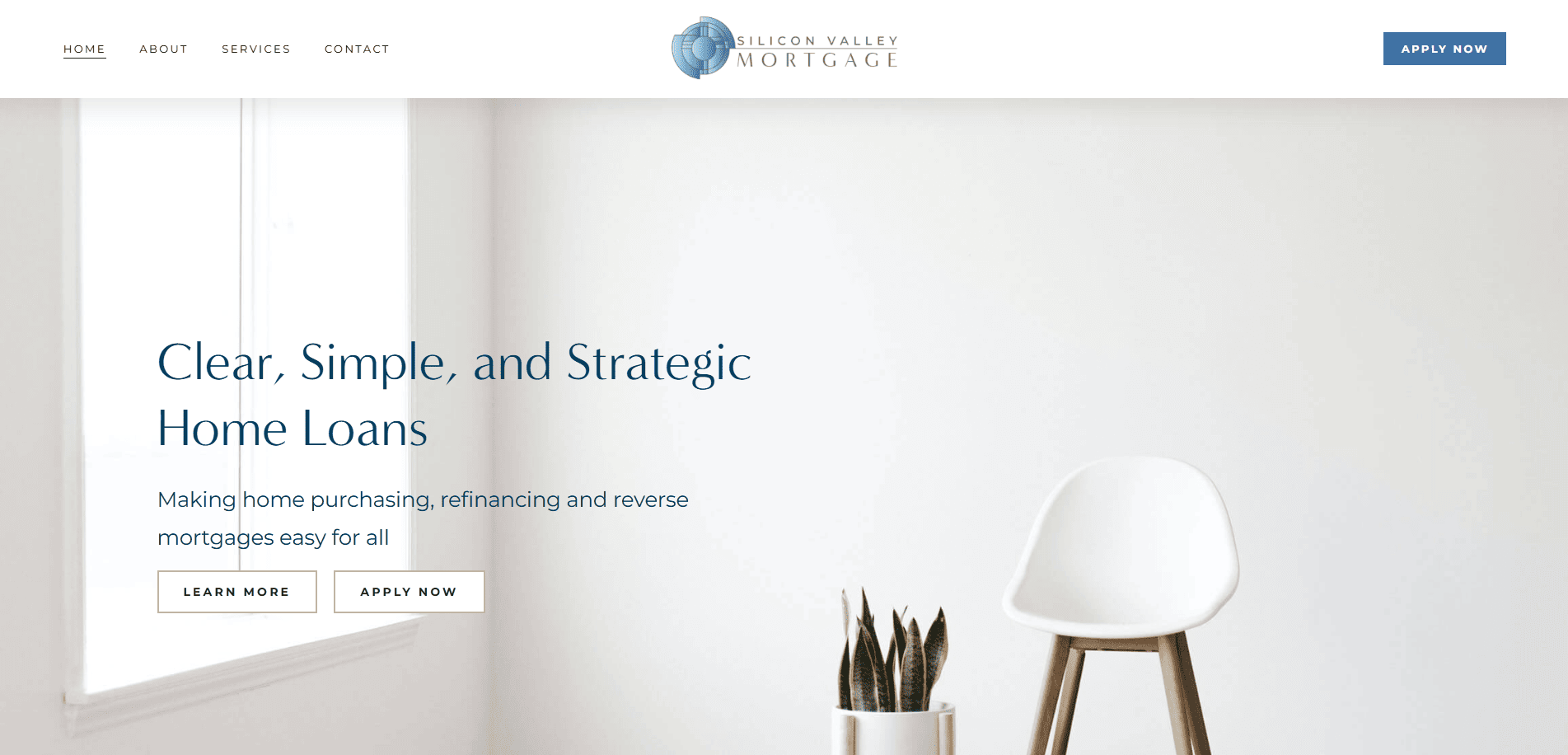
16. Silicon Valley Mortgage
Location: San Jose, CA
Key Takeaways:
- Tailored solutions for tech-savvy clients.
- Responsive design across devices.
- Engaging visuals enhancing user experience.+
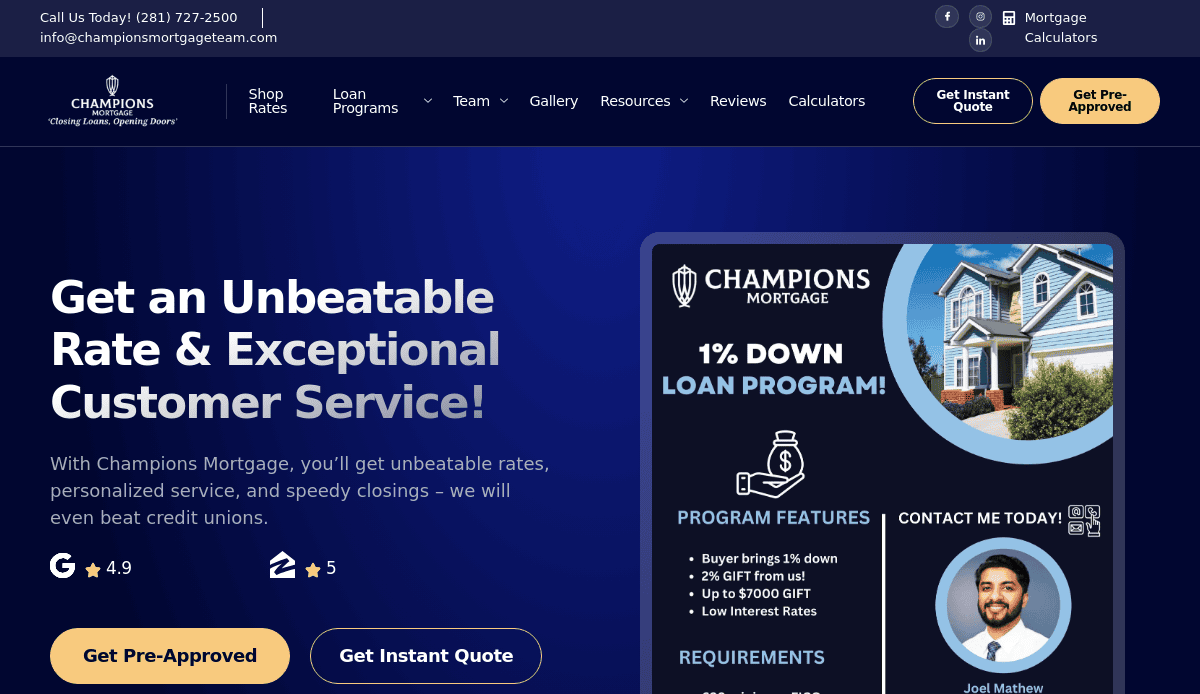
17. Champions Mortgage
Location: Houston, TX
Key Takeaways:
- Prominent calls-to-action guiding user decisions.
- Consistent branding throughout the site.
- Informative content aiding user understanding.
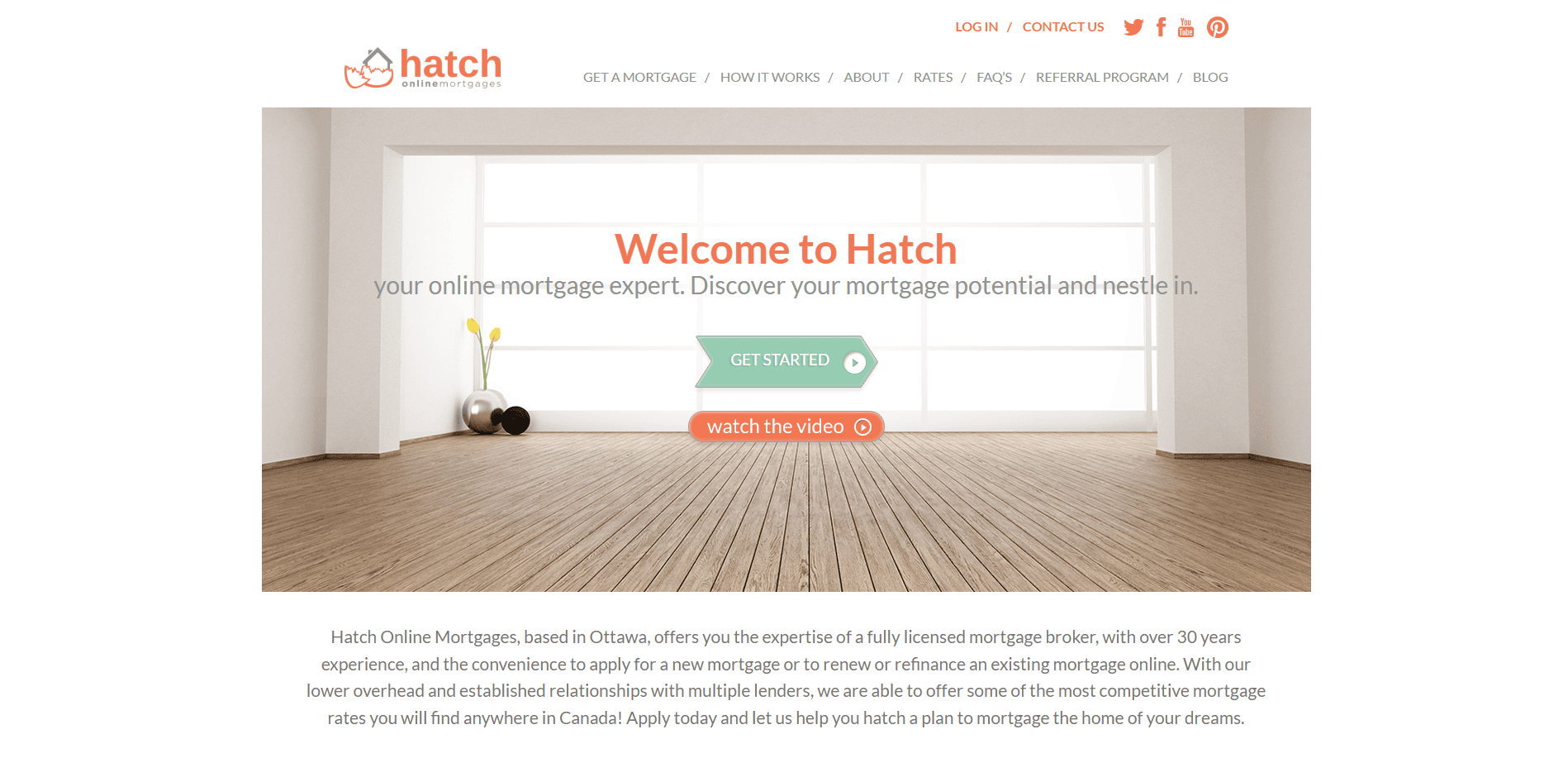
18. Hatch Online Mortgages
Location: Seattle, WA
Key Takeaways:
- Combination of video and text content.
- Referral program to encourage user engagement.
- Modern design appealing to younger demographics.
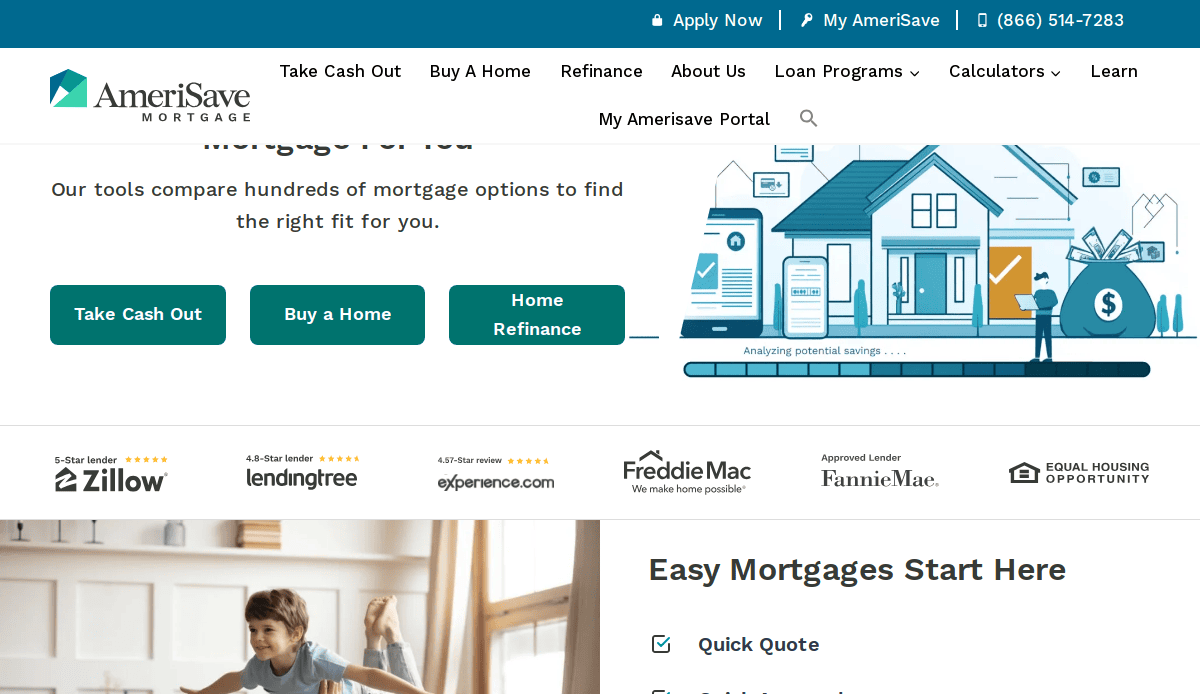
19. AmeriSave Mortgage
Location: Atlanta, GA
Key Takeaways:
- Immediate visual focus on homeownership goals.
- Accurate quote promise enhancing trust.
- Straightforward application process.
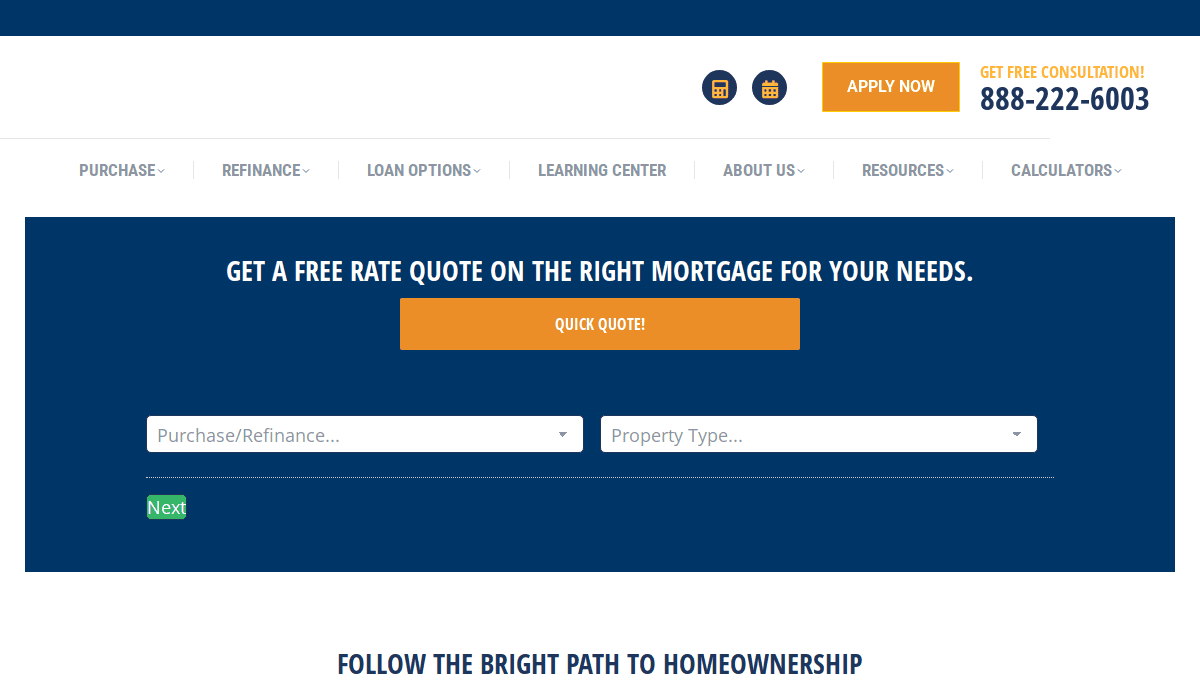
20. BrightPath Mortgage
Location: Atlanta, GA
Key Takeaways:
- Responsive design with a helpful mortgage calculator.
- Clear presentation of loan options.
- Emphasis on customer support.
These websites exemplify best practices in mortgage web design, offering intuitive navigation, responsive layouts, and valuable resources to assist users in their home financing journey.
Ready to Build a Mortgage Website That Converts?
Your website should do more than exist—it should drive real results. If your current website isn’t delivering leads, lacks clarity, or falls short on modern design and functionality, it’s time for a strategic upgrade. Whether you need a completely new website or want to improve the design of your website to align with the best practices in mortgage lending, every element matters.
From the home page layout to mortgage content, good design helps mortgage brokers, loan officers, and mortgage lenders stand out and build trust. Let our expert design team create a website that supports your business goals, attracts more qualified visitors, and turns them into loyal clients.
Start building your professional mortgage website today with our team of experts, where design and functionality work together to grow your mortgage or lending business.
Frequently Asked Questions About Mortgage Website Design
What design elements are most important for mortgage businesses?
Key design elements include intuitive navigation, clear calls-to-action, mobile responsiveness, trust-building testimonials, and quick access to mortgage application forms. These components ensure users can find the information they need and take action quickly.
How can I use my website for mortgage lead generation?
To boost mortgage lead generation, use compelling calls-to-action, embed lead capture forms on high-traffic pages, and include trust signals like ratings and client reviews. SEO and content marketing strategies also help drive organic traffic to your site.
Should websites in this industry include calculators and educational tools?
Yes, tools like mortgage calculators and loan comparison widgets are excellent for engaging users. They provide immediate value and help potential borrowers better understand their mortgage options.
What’s the best way to structure page design for mortgage companies?
Good websites use a clear page hierarchy: a homepage that guides users to loan types, mortgage application pages, FAQs, and contact forms. Each page should serve a distinct purpose and align with the visitor’s journey.
What are some signs it’s time to update your website?
If your website isn’t mobile-friendly, loads slowly, looks outdated, or ranks poorly in search engines, it’s time for an update. You may also need to refresh your design if it doesn’t reflect your current brand or mortgage services.
How does SEO impact my website’s success?
SEO improves your website’s rank in search results, so more borrowers can find it when searching for services. Optimizing content, metadata, and site structure is essential for visibility and mortgage lead generation.
Do I need a mortgage CRM integrated into my website?
Integrating one can streamline client communication and help manage leads more effectively. It ensures that every form submission or inquiry is captured and followed up promptly.
Can I use website templates, or should I hire a design agency?
Website templates may work for startups, but for a professional mortgage brokerage or loan originator, a custom solution from a design agency ensures a unique design that meets all website needs and stands out from competitors.
What types of pages should mortgage websites include?
Essential pages include Home, About, Services, specific mortgage types (FHA, VA, Conventional), mortgage application, Blog, and Contact. Each should be optimized for UX and lead conversion.
How do I make sure my website helps borrowers find the information they need?
Organize your content with headings, bulleted lists, and internal links. Use clear language and include educational resources like FAQs and blog posts that address common mortgage questions and design ideas for new buyers.