
Just looking for our Best Greenhouse Website examples list?
When it comes to competing as a greenhouse business today, a well-crafted website is more than just an online presence—it’s a powerful tool that can drive growth, enhance user experience, and boost your brand’s credibility. Here’s a concise overview of the essential elements to consider:
1. Prioritize User-Centric Design
A website that is intuitive and easy to navigate ensures visitors can find information quickly, leading to increased engagement and conversions. Implementing responsive formatting guarantees a seamless experience across all devices, catering to the growing number of mobile users.
2. Optimize for Local SEO
Local visibility is crucial. Incorporating location-specific keywords, optimizing your Google My Business profile, and creating content that resonates with local audiences can significantly improve your search engine rankings and attract nearby customers.
3. Showcase Your Brand Identity
Your website should reflect your greenhouse’s unique values and offerings. Consistent branding, including logos, color schemes, and messaging, helps build trust and recognition among visitors. Highlighting sustainable practices and eco-friendly initiatives can further differentiate your brand in a competitive market.
4. Implement Effective Conversion Strategies
Incorporate clear calls to action (CTAs), such as “Request a Quote” or “Contact Us,” to guide visitors toward desired actions. Simplifying gateways and reducing friction in the user journey can lead to higher conversion rates and increased customer acquisition.
5. Regularly Update and Maintain Content
Fresh, relevant content motivates visitors and signals to search engines that your website is active and authoritative. Regularly updating product details, blog posts, and seasonal offerings can improve SEO performance and keep your audience informed.
By focusing on these key areas, greenhouse companies can create a website that attracts visitors and converts them into loyal customers, driving long-term success in the digital landscape.
Why Great Design Matters for Your Greenhouse Business
By now, everyone understands that a company website is more than just a place for potential customers to browse – it’s the first impression that can either attract or repel business. The look of your website plays a pivotal role in showcasing your brand and in converting visitors into loyal customers. Think about it: when a potential customer lands on your site, they make a snap judgment about your business based on its aesthetic. A well-crafted website can set you apart from competitors, while a poorly designed one can leave you invisible in a sea of options.
But a great site isn’t just about looking pretty – it’s about performance. A high-performing greenhouse website means more than just a visually appealing theme. It’s about creating a seamless user experience that guides visitors effortlessly toward making a purchase, learning more about your services, or getting in touch. The right aesthetic can help you tell your story, boost your business’s credibility, and most importantly, drive tangible business results.
We’ll walk you through key tips and strategies for designing a website that looks great and performs even better. From crafting the perfect write-up of your greenhouse services to implementing the latest SEO techniques, this comprehensive guide will show you how to transform your website into an asset that delivers real, measurable growth.
Website Planning & Purpose: The Foundation of Site Design
The planning phase is one of the most critical stages in the website development process. This phase sets the direction for the entire project, ensuring that the website meets aesthetic goals and aligns with business objectives, user needs, and industry-specific demands. The planning phase is where you lay the groundwork for an online presence that reflects your values, supports your marketing strategy, and enhances customer engagement.
Before diving into concepts, the first step is to define the website’s purpose. A website should be more than just an online catalog. It needs to be a powerful tool that supports various business functions, from educating potential customers about products to facilitating easy online purchases or inquiries. Whether the goal is to promote specific greenhouse products, provide valuable gardening tips, or offer a platform for online orders, the website must serve a clear purpose. This involves identifying your target audience—whether you are catering to local garden enthusiasts, commercial buyers, or both—and understanding their unique needs.
In addition to defining purpose, the planning phase includes establishing business goals for the website. These goals often include increasing sales, boosting local SEO visibility, and enhancing the brand image as an authority in sustainable farming or gardening. The website should work as a strategic tool to accomplish these objectives. Clear goals also help with setting measurable benchmarks to evaluate the website’s performance after launch.
The next step in the planning phase is to determine the site structure. This includes mapping out the primary pages the site will need. Commonly required pages for a company website include the homepage, product or service pages, an about us page, a contact form, and educational resources like a blog. Planning the flow of the site ensures that users can easily navigate and find the information they need, creating a smooth user experience that encourages repeat visits.
Another crucial element of the planning phase is technical considerations. These include deciding on the platform (such as WordPress), selecting the right hosting service, ensuring the website is mobile-friendly, and planning for SEO optimization. Greenhouse websites often need to cater to a variety of devices, given that many visitors will likely access the site on mobile phones while out in the garden or on the go. Additionally, ensuring that the site is optimized for search engines will increase its chances of ranking higher in local search results, driving more traffic to the site.
The final step in the planning phase is content strategy. A company website will require high-quality content that speaks to its target audience. This includes creating clear and concise product details, writing blog posts, and providing seasonal updates on available plants or flowers. Content needs to be engaging and informative, fostering trust and positioning the greenhouse as a reliable resource for potential customers. A solid content strategy will also help the website perform well on search engines, especially when utilizing relevant keywords like “greenhouse plants,” “sustainable gardening,” or “garden center near me.”
By investing time and resources in the planning phase, businesses ensure that their websites are purpose-driven, functional, and crafted to meet their specific needs. With a clear plan in place, the design and development phases can proceed smoothly, ultimately resulting in a website that helps the greenhouse thrive online.
Design Principles for an Effective Website
Creating a visually appealing and functional greenhouse website requires a deep understanding of design principles that ensure both aesthetics and usability. A well-crafted website should attract visitors and provide them with a seamless, informative, and engaging experience. To achieve this, several key principles must be considered.
1. Simplicity and Clarity
The first principle is simplicity. The website should have a clean, uncluttered aesthetic that allows users to find what they are looking for quickly and easily. With so many potential distractions online, a simple layout helps focus the visitor’s attention on the essential elements, such as products, services, and calls to action. Clear site menus, straightforward categorization of products, and minimal text on each page ensure that the website remains easy to navigate and doesn’t overwhelm visitors. Simplicity also improves the site’s overall user experience, reducing the chances of visitors leaving due to frustration.
2. Visual Appeal and Branding
Visual appeal plays a vital role in capturing visitors’ attention and establishing trust. The site design should incorporate elements that reflect the company’s brand identity and align with its values, especially in terms of sustainability and nature. The use of earthy tones like greens, browns, and neutral colors can evoke feelings of calm and connection to the environment. High-quality images of plants, flowers, and the greenhouse itself are essential to showcase the business’s offerings in a visually attractive manner. Incorporating the chosen logo, consistent color schemes, and typography throughout the site reinforces this recognition and trustworthiness.
3. Mobile Responsiveness
With an increasing number of users browsing websites from mobile devices, a website must be mobile-responsive. This means that the website should automatically adjust its formatting to fit different screen sizes, from smartphones to tablets. Mobile responsiveness ensures that visitors, whether they are browsing from their home or checking product availability while on the go, can easily navigate the site and have a positive experience. In addition to the layout, ensuring that buttons, images, and text are appropriately sized for touch interactions is essential for mobile optimization.
4. User Experience (UX) and Navigation
User experience (UX) is one of the most important aspects of any site development, and company websites are no exception. The goal of UX is to provide users with an intuitive and enjoyable experience as they browse the website. Easy-to-follow gateways, clear product descriptions, and the ability to find important information quickly (such as store hours, contact information, or online ordering options) are key factors in UX design. Creating an organized and logical site structure with well-labeled categories and filters helps visitors easily locate the products or services they are interested in. Ensuring that all interactions, such as adding items to the cart or submitting a contact form, are smooth and simple is also an essential part of the visitor’s experience.
5. Fast Loading Times
The speed at which a website loads directly impacts user satisfaction and retention. A website should be optimized to load quickly across all devices and internet connections. Slow loading times can lead to frustration, and in some cases, visitors may abandon the site entirely. To ensure fast loading, the website should be optimized with compressed images, clean code, and the use of a reliable content delivery network (CDN) for faster global access. Improving loading speed boosts user satisfaction and positively impacts the website’s SEO rankings, which can drive more traffic to the site.
6. Accessibility
An effective website must be accessible to everyone, including individuals with disabilities. Accessibility should be prioritized to ensure that all visitors, regardless of their abilities, can interact with the site. This includes implementing features such as text-to-speech compatibility, alt text for images, and color contrast that meets accessibility standards. Accessibility also extends to forms and interactive elements, ensuring they are navigable by screen readers and other assistive technologies. Providing an inclusive aesthetic benefits users, complies with legal requirements in some regions, and helps build trust with a wider audience.
7. Effective Call-to-Action (CTA)
A clear and persuasive call-to-action (CTA) is an essential part of the website design. Each page should have a strategic CTA that moves visitors toward the next step, whether it’s making a purchase, signing up for a newsletter, or contacting the business. The CTA buttons should be prominent, easy to find, and use action-oriented language that encourages users to take action. Examples include “Shop Now,” “Get Your Free Consultation,” or “Learn More About Our Plants.” Placing CTAs at logical points throughout the site, such as at the end of product descriptions or after an informational blog post, ensures users are continually prompted to take action.
8. Integration of Social Proof
Showcasing customer testimonials, reviews, and case studies can help build credibility and trust. Visitors are more likely to make a purchase or connect with the business when they see positive feedback from other customers. Integrating social proof in the form of client testimonials, user-generated photos, and success stories from satisfied customers provides valuable trust signals. It’s also helpful to feature any affiliations or certifications from reputable industry organizations to further bolster the business’s reputation.
9. Search Engine Optimization (SEO)
Finally, ensure that the site is built with SEO in mind. This includes structuring the website with proper header tags, optimizing images for search engines, using keyword-rich content, and ensuring fast page load times. SEO optimization helps the website rank higher in search engine results, making it easier for potential customers to find the greenhouse online. Optimizing for local SEO is particularly important as many customers will be looking for a nearby location to purchase plants or services. Including location-specific keywords, optimizing Google My Business profiles, and using local directories can enhance the website’s visibility in local searches.
By adhering to these principles, a website can effectively balance beauty and functionality, ensuring a seamless user experience that builds trust and ultimately boosts business results.
Content & Navigation: Structuring an Effective Website
Content and navigation are crucial for creating a smooth and effective website. A well-organized structure ensures users can easily find what they need, enhancing their experience and driving engagement.
1. Content Structure
Organize content into clear categories that address the needs of your audience. Essential pages should include:
- Homepage: Briefly introduce the greenhouse and provide quick access to key sections.
- Product/Service Pages: Offer detailed descriptions, high-quality images, and product specifications.
- About Us: Share your business story and values to build trust.
- Blog: Provide valuable content like gardening tips and seasonal guides.
- Contact Page: Include essential contact details and a form for inquiries.
Use concise, easy-to-read text and avoid overwhelming visitors with too much information on one page.
2. Navigation Design
Keep it simple and intuitive. The main menu bar should include links to critical sections such as products, services, blog, and contact. Use dropdown menus if necessary to organize subcategories. A search bar is essential for larger inventories.
3. Mobile-Friendly Design
Ensure the website is responsive and works seamlessly across all devices. Mobile optimization is crucial, as many users will access your site from their phones.
4. Consistency and Simplicity
Maintain consistency with elements such as colors, fonts, and layout. A clean, straightforward aesthetic improves usability and keeps the focus on important content. Avoid clutter to help users navigate easily.
5. Content Strategy for SEO
Structure content with SEO in mind, using relevant keywords and internal links. Regularly updated content, like blog posts and seasonal product information, can also help boost search engine rankings.
By structuring content and navigation effectively, your website can deliver a user-friendly experience that helps convert visitors into customers.
Visual Elements: Enhancing User Experience and Brand Identity
Visual elements are key to both engaging users and reinforcing your identity. Try to remember that a well-designed website doesn’t just look good; it works to provide a seamless, enjoyable experience that encourages visitors to stay, explore, and take action. Here’s how visual elements support your greenhouse website.
1. Imagery and Photography
High-quality, professional images are essential for showcasing plants and products. Clear, appealing photos help visitors understand what they’re buying and build trust. Photos of the greenhouse in action or plants in their natural setting can make your business feel more authentic and relatable.
2. Color Scheme
Colors should reflect the natural, eco-friendly values of your business. Earthy greens, browns, and neutral tones create a connection to nature. Bright accent colors can be used for buttons and calls to action (CTAs) to motivate users and encourage sales. Consistent use of these colors throughout the website strengthens brand identity.
3. Typography
Choose fonts that are both legible and aligned with your brand. Use a combination of serif and sans-serif fonts to create a professional, approachable feel. Consistency in font style and size across pages is important for a clean, cohesive look.
4. White Space
White space improves readability and creates a calm, organized layout. It prevents the page from feeling cluttered, allowing users to focus on key content. By providing ample space between elements, you also bring the user’s eye to important features like CTAs and product details.
5. Consistent Branding
All visual elements—images, colors, fonts—should work together to represent your greenhouse business. A cohesive aesthetic helps reinforce your business’s identity and builds recognition. Ensure your logo is prominently displayed, and use your chosen colors and fonts consistently across the site.
6. Visual Hierarchy
Establish a clear visual hierarchy to navigate users through your site. Use larger text and contrasting colors to highlight key content like headings and CTAs. Important information should be placed prominently on the page, with secondary content lower down.
7. Interactive Elements
Interactive features like clickable product galleries or hover effects make the website more engaging. They encourage users to explore products or learn more about specific items, enhancing the overall user experience and making the site more dynamic.
8. Animation and Motion Design
Subtle animations, like smooth transitions or product image zooms, can add a modern touch and make the website feel more dynamic. Use motion features sparingly to maintain a clean, user-friendly experience without overwhelming visitors.
By incorporating these visual elements, your website can pull visitors in, reinforce your identity, and create a smooth, enjoyable user experience that encourages both exploration and conversions.
Ongoing WordPress Website Maintenance
Ongoing maintenance is essential for keeping your website running smoothly, secure, and performing at its best. Regular updates and checks ensure that the website stays functional, fast, and optimized for both users and search engines. For WordPress websites, maintenance should include the following key tasks:
1. Regular Updates
WordPress core updates, theme updates, and plugin updates are crucial for maintaining the security and performance of your site. New updates often include security patches, bug fixes, and performance improvements. Failing to install updates regularly can leave your website vulnerable to security threats, which can damage your business’s reputation.
2. Backups
Regular website backups are essential to prevent data loss in case of an issue, such as a plugin conflict or server malfunction. Automated backups should be scheduled weekly, or more frequently if your site is updated often. This ensures you can quickly restore your website to its latest version in case of an emergency.
3. Security Monitoring
WordPress websites can be targeted by hackers if not properly secured. Ongoing security monitoring helps protect your site from malicious attacks. This includes implementing strong password policies, using security plugins, and regularly scanning for malware. Additionally, ensuring that SSL certificates are up-to-date and functioning properly adds an extra layer of protection for your site and its users.
4. Performance Optimization
Over time, websites can slow down due to accumulated data, plugins, and large image files. Regular performance checks should be performed to optimize loading speeds. This includes cleaning up the database, compressing images, and minimizing CSS/JavaScript files. Fast load times are especially important for greenhouse websites, as they improve the user experience and contribute to higher search engine rankings.
5. SEO Audits
Ongoing SEO audits help ensure your website continues to rank well on search engines. This includes checking for broken links, updating outdated content, and ensuring that all metadata is correctly optimized. Additionally, regular keyword optimization should be performed to keep up with changing search trends and consumer behavior.
6. Content Updates
Many businesses often have seasonal promotions, new products, or updated plant information that needs to be added to the website. Regular content updates keep the site fresh and relevant for returning customers. This also boosts SEO by keeping the content aligned with search trends and current offerings.
7. User Experience Checks
User experience (UX) is crucial for keeping visitors engaged. Regularly testing site functionality, ensuring that forms work correctly, and verifying that navigation remains intuitive helps maintain a positive user experience. Testing for mobile responsiveness is especially important, as many visitors will access your site from smartphones while on the go.
8. Plugin Management
Plugins extend the functionality of your WordPress website, but not all plugins are necessary or beneficial in the long term. Regularly reviewing and removing unused or outdated plugins can reduce security risks and improve site performance. Additionally, checking for compatibility between plugins and ensuring they are all up-to-date is essential.
By implementing these ongoing maintenance tasks, your website will remain secure, fast, and efficient. Regular maintenance improves the overall experience and supports your business’s long-term success by keeping the website in top working condition.
Best Greenhouse Website Designs Examples
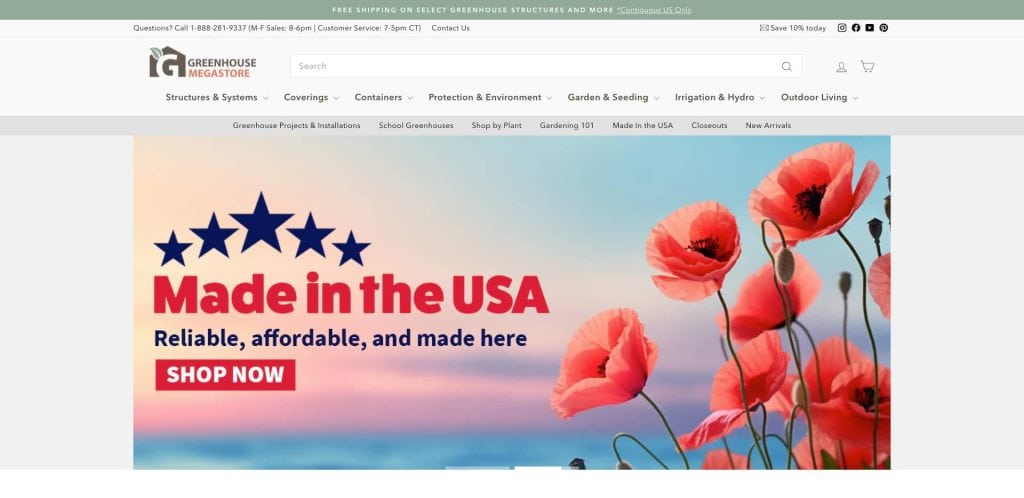
1. Greenhouse Megastore
Location City: Danville, Illinois
Key Takeaways:
- Clear product categories and filters for easy browsing.
- High-quality images showcasing plants and garden tools.
- Easy-to-navigate shopping cart with a fast checkout process.
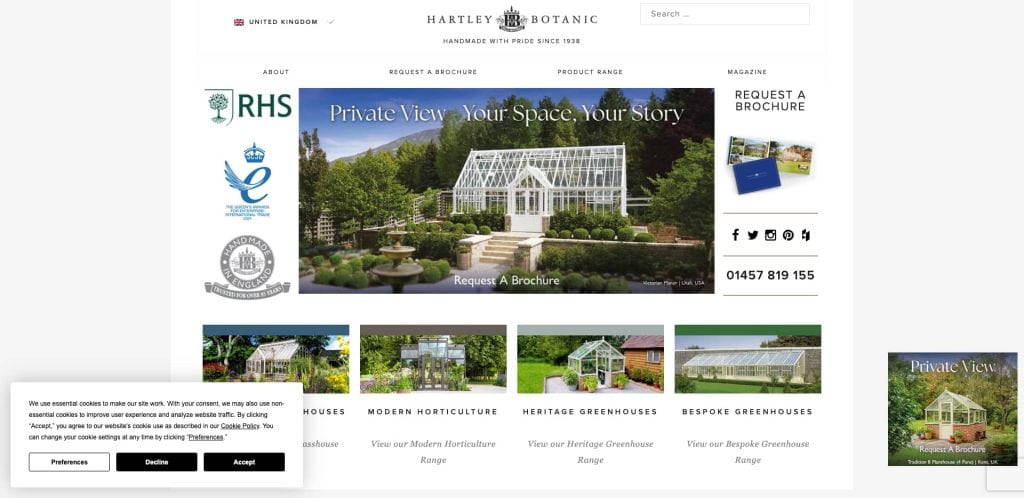
2. Hartley Botanic
Location City: Manchester, New Hampshire
Key Takeaways:
- Elegant design with a focus on high-end greenhouse products.
- Beautiful imagery of greenhouses in various settings.
- Detailed product descriptions with clear call-to-actions.
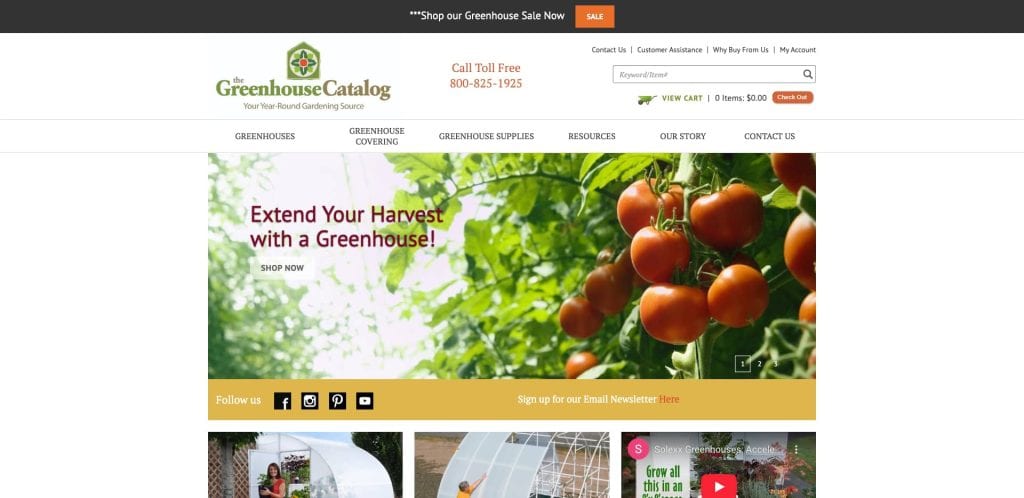
3. The Greenhouse Catalog
Location City: Harrisburg, Pennsylvania
Key Takeaways:
- Simple layout with large, clear product images.
- Easy-to-find seasonal promotions.
- Extensive gardening resources to educate visitors.
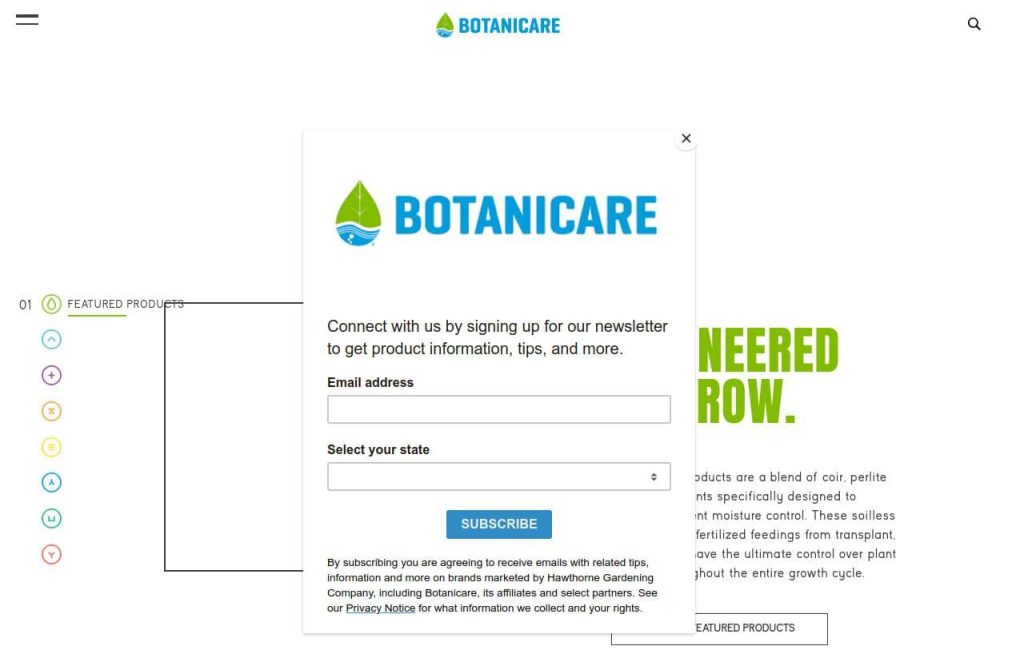
4. Botanicare
Location City: Scottsdale, Arizona
Key Takeaways:
- Clean, minimalist design that highlights the brand’s eco-friendly approach.
- User-friendly navigation with quick access to product lines.
- Educational content about hydroponic and greenhouse gardening.
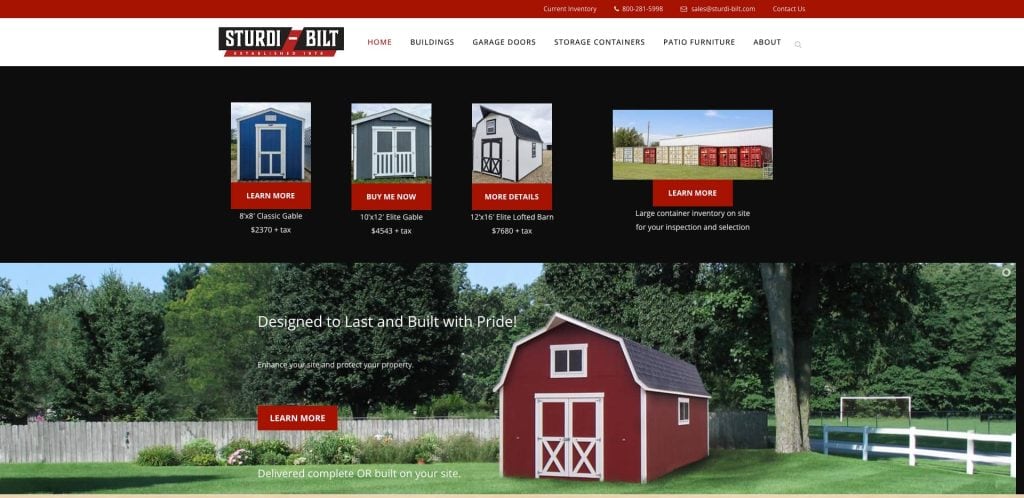
5. Sturdi-Bilt Greenhouses
Location City: Everett, Washington
Key Takeaways:
- Detailed customization options for greenhouses.
- High-quality images of finished projects.
- Clear calls to action for quote requests and consultations.
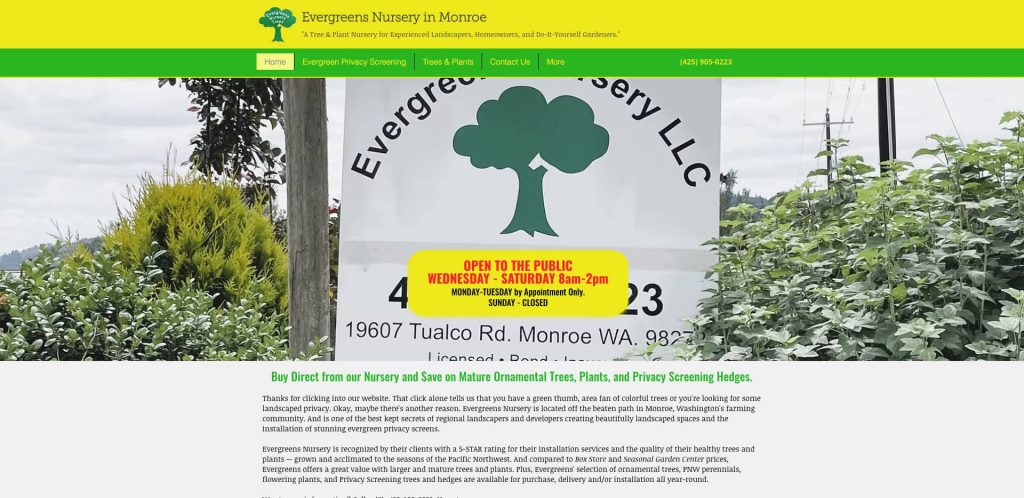
6. Evergreen Greenhouses
Location City: Seattle, Washington
Key Takeaways:
- Focus on eco-friendly and energy-efficient greenhouse solutions.
- Clear and concise product pages with customization options.
- User-friendly navigation with quick access to customer support and FAQs.
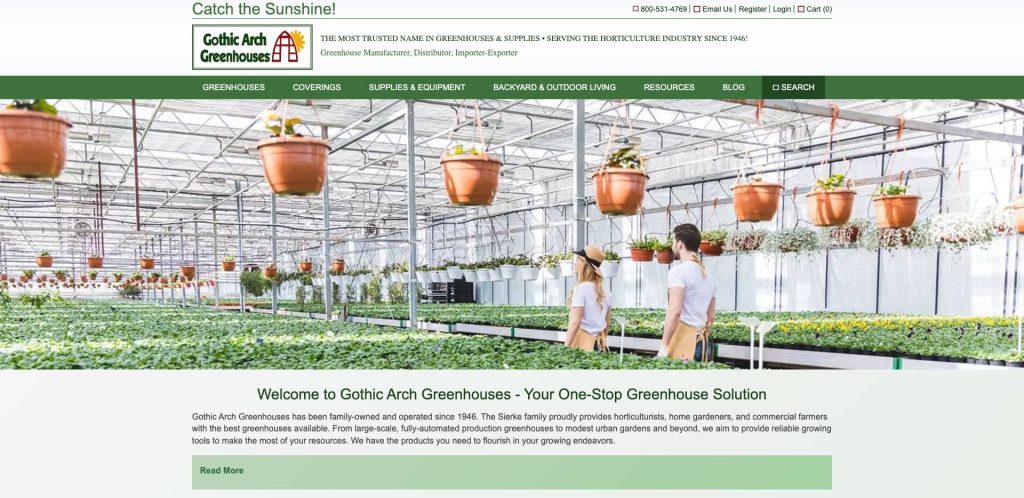
7. Gothic Arch Greenhouse
Location City: USA
Key Takeaways:
- Clean, professional design that emphasizes quality greenhouse products.
- Simple and intuitive navigation with easy access to product categories.
- Detailed product descriptions and a user-friendly shopping cart.
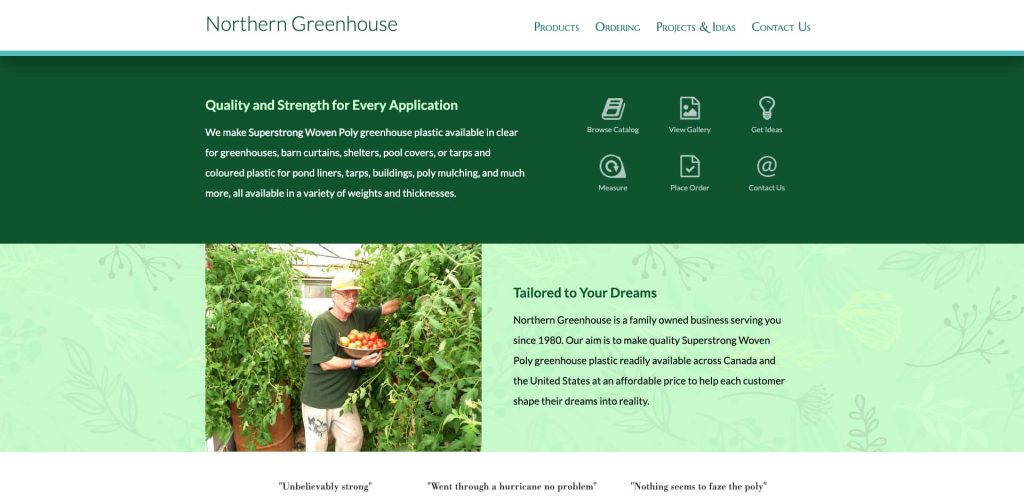
8. Northern Greenhouse Builders
Location City: Niche, ND
Key Takeaways:
- Clean, modern design with an emphasis on ease of navigation.
- Product-focused pages with detailed product specifications and custom options.
- Provides helpful resources for greenhouse maintenance and installation.
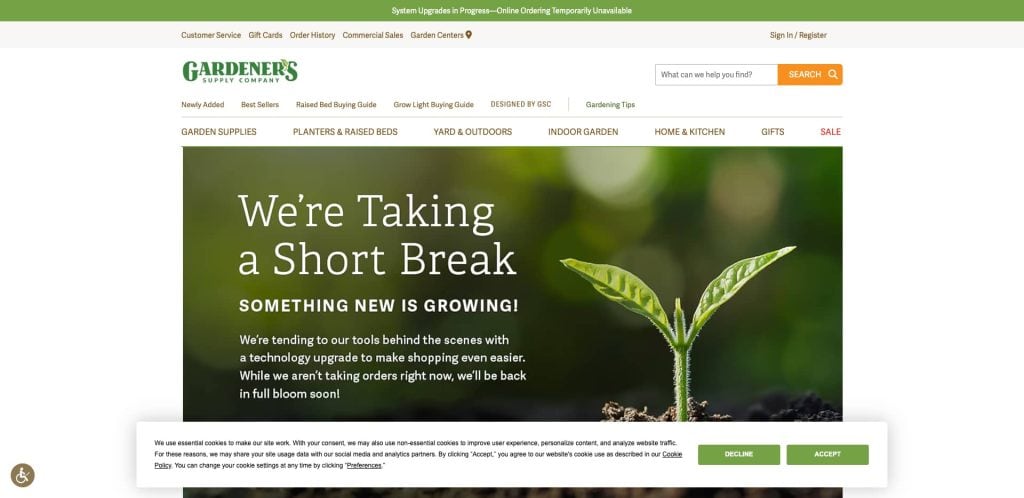
9. Gardener’s Supply Company
Location City: Burlington, Vermont
Key Takeaways:
- Strong community presence with user-generated content.
- Features a clean, easy-to-use product selection system.
- Helpful resources and gardening tips for customers.
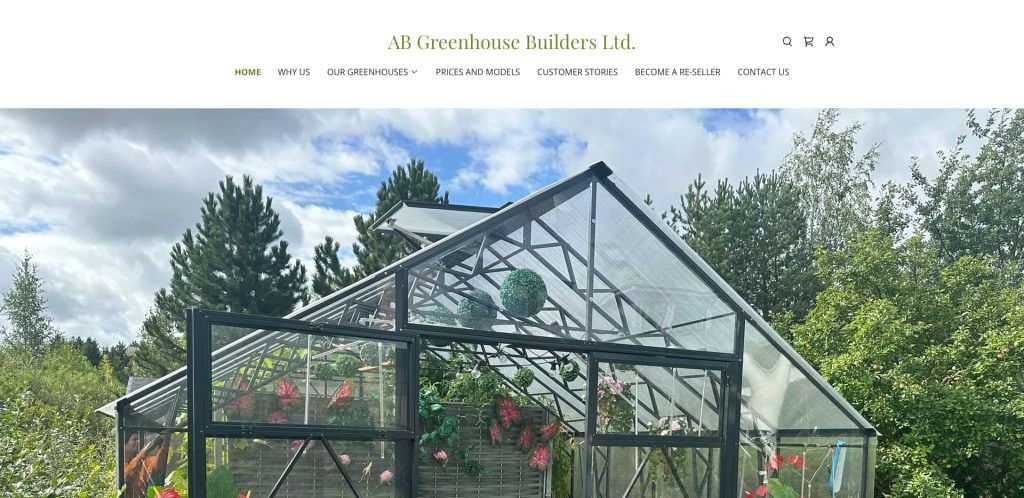
10. AB Greenhouse Builders
Location City: Calgary, Canada
Key Takeaways:
- Clear focus on greenhouse structures with easy navigation for customization.
- Excellent integration of customer reviews and product testimonials.
- High-quality images of greenhouse installations in real settings.
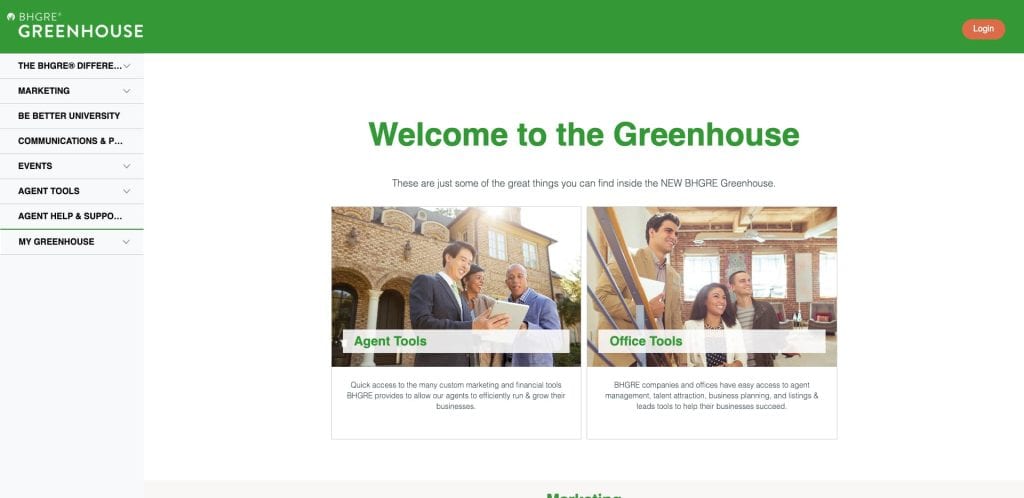
11. BHGRE Greenhouses
Location City: Chicago, Illinois
Key Takeaways:
- Modern, vibrant design that reflects their greenhouse expertise.
- High-quality product images to showcase plant varieties.
- Easy-to-follow navigation with clear product categories.
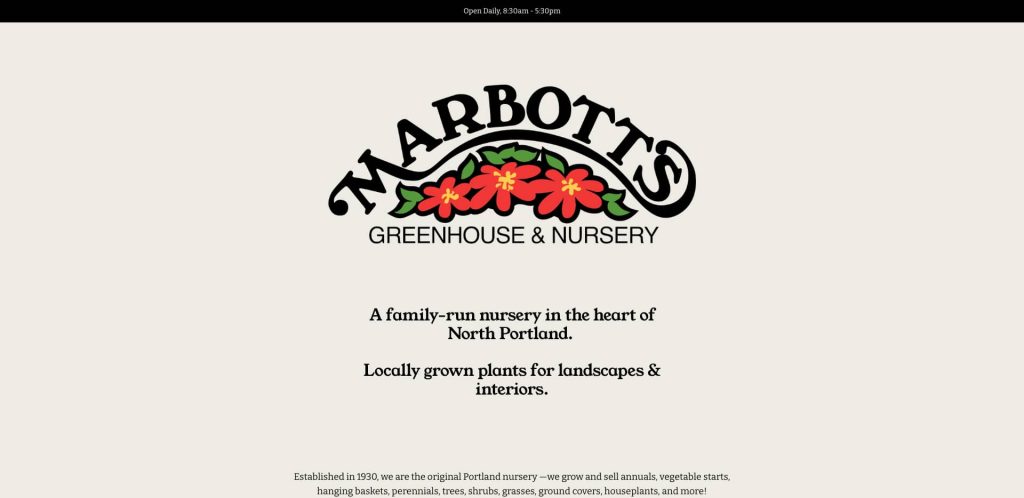
12. Marbott’s Greenhouse
Location City: Portland, Oregon
Key Takeaways:
- Seamless online store integration for easy plant purchasing.
- Strong branding with eco-conscious design reflecting the business values.
- Clear and simple shopping experience, including shipping details.
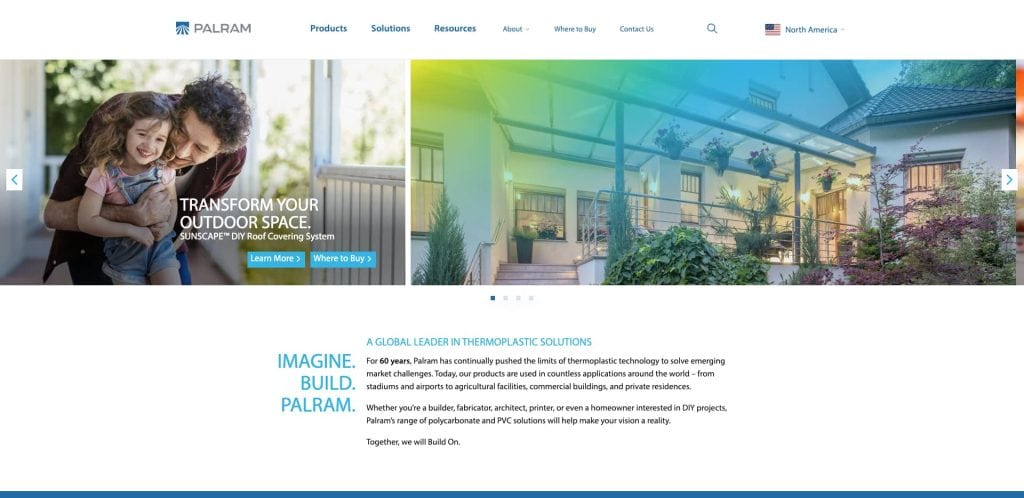
13. Palram Americas
Location City: Lake Forest, California
Key Takeaways:
- Focus on sustainability and eco-friendly greenhouse products.
- Simple, clean design with easy navigation for product categories.
- Includes a resources section to educate users on greenhouse materials and installation.
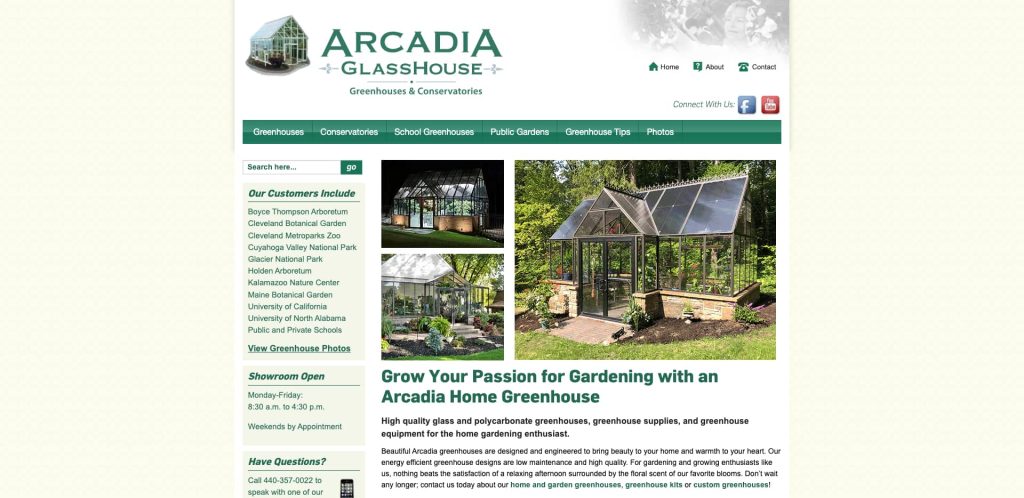
14. Arcadia Greenhouses
Location City: Santa Fe, New Mexico
Key Takeaways:
- Bold, visually striking design with emphasis on greenhouse kits.
- Features a clean, simple interface that makes shopping easy.
- Offers plant care tips and helpful resources to educate customers.
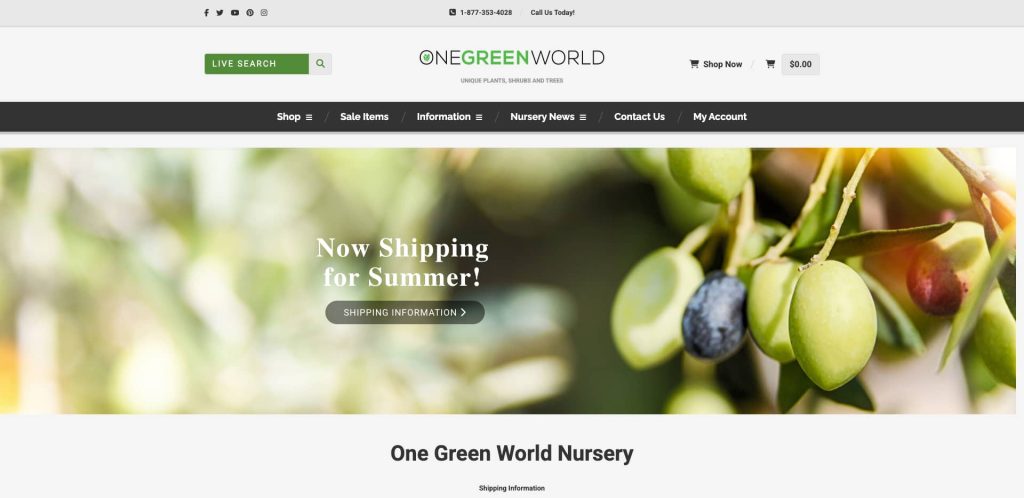
15. One Green World
Location City: Portland, OR
Key Takeaways:
- Interactive product galleries that help users visualize greenhouse options.
- Focus on sustainable practices and energy-efficient greenhouses.
- Clear educational resources on greenhouse design and gardening tips.
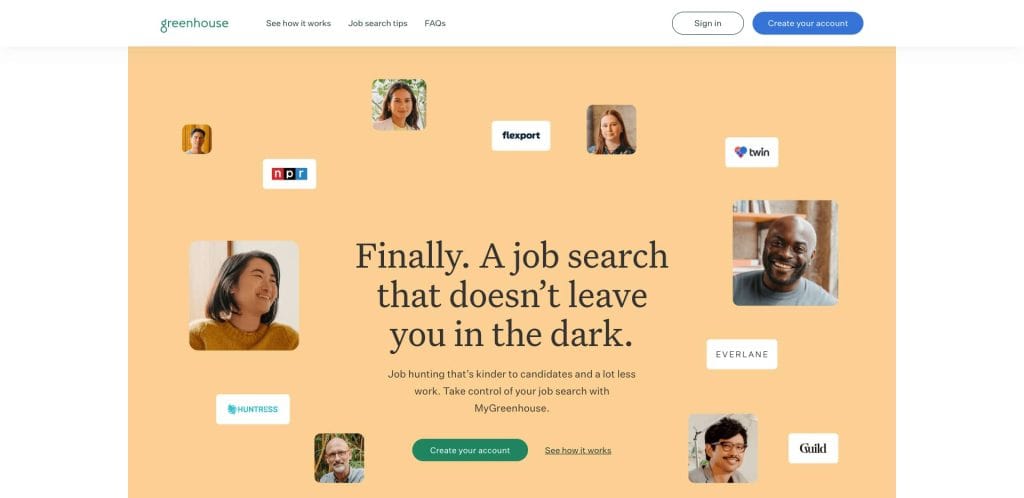
16. My Greenhouse
Location City: Atlanta, Georgia
Key Takeaways:
- Focus on simplicity with easy-to-navigate product pages.
- Clear, engaging calls to action that drive conversions.
- Features a clean layout with bold visuals and a simple shopping experience.
Take Your Greenhouse Website to the Next Level
Building a successful greenhouse website requires more than just a template; it demands careful attention to design elements that reflect your greenhouse brand’s values, including eco-consciousness, sustainability, and a commitment to providing an optimal shopping experience. By integrating the right visual assets, optimizing user experience, and tailoring content to your target audience, you can ensure your website is attractive and effective at driving business growth.
If you’re ready to go live with a vibrant, people-first website that enhances your online presence, it’s time to hire the right team of experts. Whether you’re looking for a fresh design, integrating e-commerce features to sell plant varieties, or crafting a blog with gardening tips to engage your audience, we can help you visualize and implement a strategy that works. At our full-service digital marketing agency, we specialize in creating websites that bring your greenhouse’s brand assets to life, seamlessly connecting your customers to the products they love.
Ready to build a greenhouse website that communicates your brand’s story and makes it easy for customers to make purchases? Contact us today to get started on your custom design. Let’s bring your new greenhouse website to life!
Greenhouse Company Site Design Questions, Answered
What are the key elements of an effective greenhouse website design?
An effective website design should include a clean, user-friendly layout that highlights your brand and offerings. Focus on high-quality images of your products, like plants or botanical items, and create a seamless online experience with clear navigation and intuitive features. Make sure your website is mobile-responsive and optimized for fast loading times. Additionally, showcasing your commitment to sustainability and eco-conscious practices throughout the design can attract like-minded customers who value inclusivity and sustainability.
How do I communicate my business’s brand through my website?
Use design elements that reflect your brand’s core values. Your logo should be prominently displayed to reinforce brand recognition, and the look and feel of the site should align with your brand’s identity. Whether your greenhouse specializes in rare plant varieties, eco-conscious gardening, or sustainable practices, these elements should be woven into your website’s design, content, and imagery. By using visuals and copy that highlight your commitment to sustainability, you create a stronger connection with your audience. For more on effective website design strategies, check out our guide to greenhouse design.
Why is mobile optimization important for a greenhouse website?
With more people shopping for plants and gardening supplies on their smartphones, mobile optimization is crucial. Ensuring your website works seamlessly across all devices improves UX and enhances your website’s performance in search rankings. A mobile-friendly design makes it easier for customers to browse plant varieties, learn greenhouse care tips, and make purchases on the go. This is essential for driving conversions and maintaining a competitive edge.
How can I ensure my greenhouse website is accessible to all customers?
Incorporating inclusivity into your website design is essential for providing an accessible experience to all users, including those with disabilities. This includes using alt text for images, ensuring that text contrasts well with the background for readability, and providing easy-to-use forms. Designing a website that prioritizes inclusion reflects your brand’s commitment to making information available to everyone. For more on accessibility, check out our inclusivity guide.
How do I choose a website builder for my greenhouse website?
When selecting a website builder, ensure it offers flexibility, customization options, and features that support the unique needs of your business. Look for a platform that allows for easy integration of e-commerce, especially if you plan to sell botanical products or gardening supplies online. A good builder should also enable the seamless integration of your primary brand elements. Popular website builders like WordPress offer templates and plugins that can help you optimize your website effectively, including tools for SEO, mobile optimization, and online transactions.
What role does SEO play in a website?
SEO is crucial for ensuring your website ranks high in search engine results. Incorporating the right keywords related to greenhouse design, plant varieties, and your eco-conscious practices will help drive organic traffic to your site. A well-optimized website, with strategic use of local SEO, increases visibility and makes it easier for customers to find your business online. Make sure to update your website regularly with fresh content like blog posts or plant care tips to maintain strong SEO performance. To learn more about how to improve your site’s SEO, visit our SEO services.
How can I make my website stand out from competitors?
To make your website stand out, focus on unique features that align with your greenhouse brand and highlight what makes your business special. Use high-quality imagery, a distinctive color palette, and a botanical theme that reflects the products and services you offer. Additionally, your website should prioritize user experience, ensuring that visitors can easily navigate, find information, and make purchases. Offering exclusive content, like a blog with gardening tips or seasonal promotions, can also help you engage customers and drive traffic to your site.
Can I sell products directly from my website?
Yes, you can sell products directly through your website by adding e-commerce features. Make sure your site has an intuitive shopping experience that allows customers to browse products, add items to their cart, and check out seamlessly. You can also add product descriptions, high-quality photos, and plant care tips to enhance the shopping experience. For an eco-conscious approach, consider offering environmentally friendly packaging or providing information on the sustainable practices behind your business. For more on setting up an online store, visit our e-commerce solutions page.
How do I ensure my website reflects my commitment to sustainability?
Incorporating elements that showcase your commitment to sustainability is essential for attracting environmentally conscious customers. You can highlight eco-friendly products, energy-saving features, and sustainable farming practices throughout your website. From the design elements, such as using earthy tones, to content that educates visitors on how to grow plants sustainably, your website should communicate your values clearly. By offering products that emphasize sustainability and eco-conscious choices, your website will align with the growing demand for greener solutions.