
Just looking for our Best Cosmetic Surgery Website examples list?
Key Takeaways:
- Trust Through Design: Discover how intentional branding, streamlined navigation, and high-quality visuals (before/after galleries, team bios, testimonials) earn patient confidence and reinforce your practice’s credibility online.
- SEO That Converts: Learn how to optimize your website structure—including mobile responsiveness, fast loading times, local keyword targeting, and clear CTAs—to attract and convert searchers into consultation requests.
- Emotionally Intelligent Content: Find out how tone, content hierarchy, cost transparency, and recovery information reduce anxiety and support emotionally careful decision-making for prospective patients.
Why Your Plastic Surgery Website Design Is Your Most Powerful Sales Tool
If you’re a plastic surgeon relying on word-of-mouth or outdated referral networks, you’re likely missing out on the majority of modern patients. Today, your plastic surgery website is the foundation of your brand, your first impression, and often the deciding factor in whether potential patients choose to schedule a consultation or move on to a competitor.
Great web design isn’t about looking pretty. It’s about building trust, guiding decisions, and capturing leads. A high-performing plastic surgery website design speaks directly to what users care about most: safety, results, and credibility. When your website looks outdated or fails to deliver a seamless user experience, it creates doubt. And doubt is the enemy of conversion.
A strategically designed website can deliver measurable returns: improved search engine optimization (SEO), more patient inquiries, and stronger authority in your local market. Whether you’re launching a new surgery practice or redesigning an established site, this guide will walk you through everything you need to elevate your online presence.
In an industry where appearance and trust are everything, your website must reflect the same excellence you bring to every procedure. Let’s dive into how to make your online presence your top-performing asset.
Website Planning & Purpose
Before diving into visual elements or development platforms, every successful plastic surgery website begins with a clear plan. This foundational step ensures the website aligns with the overall goals of your plastic surgery practice, meets patient expectations, and differentiates your brand in a competitive field.
The first step is defining your primary objective. Are you focused on generating more consultation requests, building authority in a niche like facial procedures or body contouring, or simply modernizing your digital presence? Your goal dictates your site’s architecture, content priorities, and design tone.
Next, consider your audience. Patients searching for a plastic surgeon are often emotionally invested, cautious, and detail-oriented. They want reassurance, clarity, and transparency. Understanding these motivations helps you craft messaging that builds trust. Every section of your website should guide users from curiosity to conversion with strategic calls to action.
Competitor research also plays a critical role. Analyzing what works—and what doesn’t—in other plastic surgery websites will help you identify opportunities to stand out. Look at their use of testimonials, before-and-after galleries, mobile experience, and how effectively they address common patient concerns.
Lastly, map your content and user flows. Key planning questions include: What procedures are most profitable or in demand? What information do patients need to feel confident? Which pathways do visitors take before contacting you? A detailed sitemap and wireframes will help your site load faster, reduce bounce rates, and lead more visitors to the point of action.
Planning isn’t optional—it’s the blueprint for performance. Investing time up front in strategic planning will ensure your plastic surgery website becomes a consistent, measurable driver of patient growth.
Design Principles
A well-designed plastic surgery website must go beyond aesthetics. It needs to create a digital environment that builds trust, communicates expertise, and makes it effortless for patients to take the next step. To achieve that, there are several non-negotiable design principles every plastic surgery practice should follow.
Visual hierarchy is essential. The most important content should always stand out at a glance. This means using headings, contrasting colors, and white space to guide users toward key messages like your value proposition, services offered, and call to action. Avoid clutter and resist the urge to overload every section with text or images.
Consistency across all pages is another must. Fonts, button styles, colors, and layout structures should remain uniform to reinforce your branding and improve user confidence. A disjointed look and feel can undermine credibility and confuse visitors. Keep things simple, elegant, and professional.
High-resolution imagery is critical in this industry. Real before-and-after photos, clean staff portraits, and office images go a long way in creating a personal connection. However, visuals must be optimized for speed to avoid slow load times—a major contributor to bounce rates.
Mobile responsiveness isn’t optional. The majority of traffic to plastic surgery websites now comes from smartphones. Every element of your design, from navigation menus to image galleries, must work flawlessly on smaller screens. This improves UX and affects search engine rankings.
Navigation should be intuitive and minimal. Use clear, familiar labels like “Procedures,” “Meet the Surgeon,” and “Schedule a Consultation.” Avoid deep menu structures that require too many clicks. Visitors should find what they need within one or two interactions.
Lastly, accessibility matters. Ensure your website meets ADA standards with readable fonts, alt text for images, and good contrast. This expands your audience, avoids legal risk, and signals professionalism.
Great design doesn’t just impress—it converts. Following these core principles ensures your site meets the high expectations of today’s digitally savvy patients.
Content & Navigation
Effective content and intuitive navigation are the backbone of any successful plastic surgery website. Without them, even the most beautiful design fails to deliver results. Content must educate, reassure, and guide potential patients toward taking action, while navigation should ensure they can find that information with minimal effort.
Start with a clear, focused homepage. This is your digital storefront. It should summarize your core services, highlight your unique selling proposition, and feature a prominent call to action. Use homepage sections to briefly introduce key content areas such as procedures, the surgeon’s credentials, patient testimonials, and gallery highlights, with intuitive links to learn more.
Each major service or procedure you offer should have a dedicated landing page. These pages should be optimized for search engine visibility and structured for patient clarity. Use clear headings, concise copy, FAQs, and relevant images. Address common questions like expected outcomes, recovery time, risks, and ideal candidates. This builds trust and reduces friction in the decision-making process.
About pages should humanize your brand. Patients want to know who they are trusting with their bodies. Include professional bios, your philosophy of care, certifications, awards, and a behind-the-scenes look at your practice. Authentic storytelling sets you apart from competitors who rely solely on generic claims.
Navigation must be simple and purposeful. Limit your main menu to five to seven primary items such as Home, About, Procedures, Gallery, Testimonials, and Contact. Use drop-downs only when necessary, and make sure labels are patient-friendly, not clinical jargon. Every page should have a clear path to a conversion point—whether it’s booking a consultation, making a call, or submitting a contact form.
A robust FAQ page and blog section also enhance usability and SEO. They give you space to address common concerns and keep your content fresh, which supports higher rankings and deeper engagement.
In this industry, the journey from interest to inquiry is built on clarity and ease. When content and navigation work together seamlessly, they do more than inform—they inspire action.
Visual Elements
Visual elements are a critical layer of plastic surgery website design. They influence perception, guide behavior, and reinforce your brand without a single word. In an industry built on aesthetics and results, your visuals must convey trust, expertise, and transformation.
High-quality photography is non-negotiable. This includes professional headshots of your surgical team, interior images of your facility, and, most importantly, a well-curated before-and-after gallery. These visuals reassure patients of your skill and give them realistic expectations about outcomes. Always use real patient photos with permission, and avoid over-editing that could undermine authenticity.
Video is increasingly valuable. A short welcome message from the lead surgeon, patient testimonials, or behind-the-scenes clips of your process can build trust quickly. Video humanizes your practice and can dramatically improve time-on-site and engagement, especially when used on landing pages or your homepage.
Design elements such as icons, infographics, and section dividers help structure content in a visually digestible way. They guide the eye and reduce fatigue in longer pages. These should follow a consistent visual language that complements your brand colors, typography, and logo design.
Color psychology also plays a key role. Choose a palette that aligns with your brand’s emotional tone—cool blues and whites often signal cleanliness and professionalism, while soft neutrals can suggest calm and care. Consistency in color use across buttons, links, and accents reinforces a polished, cohesive experience.
Whitespace is equally important. A clutter-free layout lets your visuals breathe and ensures that each element gets the attention it deserves. This also makes your site feel more premium, which is essential for aligning with the expectations of high-value patients.
Alt text, captions, and ADA-compliant design practices ensure your visuals support both SEO and accessibility. Every image should serve a strategic purpose, whether it’s building trust, showcasing results, or encouraging a call to action.
When visuals are purposeful and professionally executed, they elevate your credibility and guide users through your content in an intuitive, emotionally resonant way. In plastic surgery web design, visuals aren’t just decorative—they are decisive.
Ongoing WordPress Maintenance
Once your plastic surgery website is live, maintaining its performance is just as important as the initial design. WordPress is a powerful platform, but it requires regular care to ensure your site stays secure, loads quickly, and delivers a smooth experience for your patients.
Security updates are a top priority. WordPress core, themes, and plugins must be updated frequently to patch vulnerabilities and reduce exposure to cyber threats. Leaving your site unpatched can create serious security risks, especially when handling patient information through contact forms or scheduling tools.
Website speed also degrades over time without proper maintenance. Routine database optimization, image compression, and plugin auditing help ensure your site continues to load fast on all devices. Fast load times improve UX and influence your rankings in search engine results.
Broken links and outdated content send the wrong message to prospective patients. Regular site audits help catch these issues early and keep your website looking current and professional. This is especially important in the cosmetic surgery field, where credibility and attention to detail directly impact perception.
Backup solutions should be in place and tested regularly. In the event of a crash or breach, having a clean, recent backup ensures your website can be restored without losing valuable data or uptime. Relying on automated backup services ensures consistency and peace of mind.
Performance tracking and analytics must also be part of your maintenance plan. Reviewing traffic trends, popular pages, and form submissions helps you identify what’s working and where improvements can be made. These insights are crucial for adapting to patient needs and staying ahead of the competition.
A reliable WordPress maintenance plan ensures your plastic surgery website remains secure, functional, and optimized long after the launch. Ongoing care protects your investment and sustains the digital presence your patients depend on.
Best Examples of Plastic Surgeon Web Design

1. Parva Plastic Surgery
Location: New York, NY
- Seamless blend of elegant design and intuitive pathways.
- Detailed procedure descriptions paired with high‑resolution before‑and‑after photos.
- Clear calls to action and structured content hierarchy.
URL: parvaplasticsurgery.com
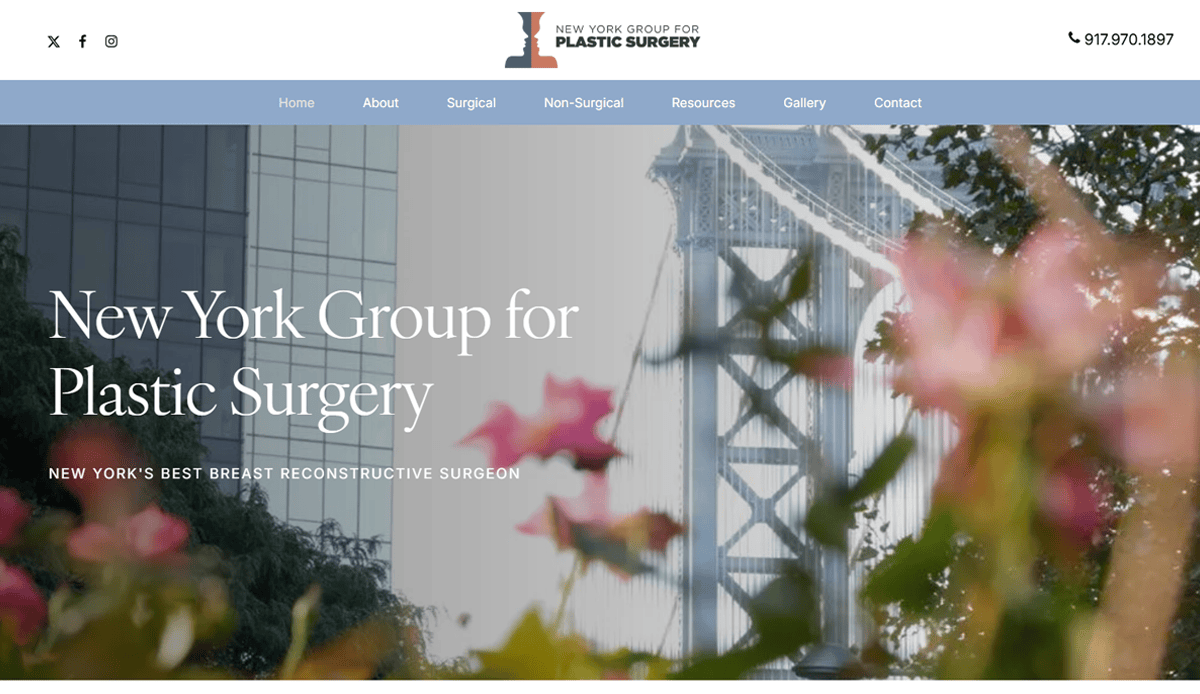
2. New York Group for Plastic Surgery
Location: New York, NY
- Sleek modern design with consistent branding colors.
- Smooth menu structure and logical user flow to conversion points.
- Human-centered testimonials and success stories provide reassurance.
URL: nygplasticsurgery.com
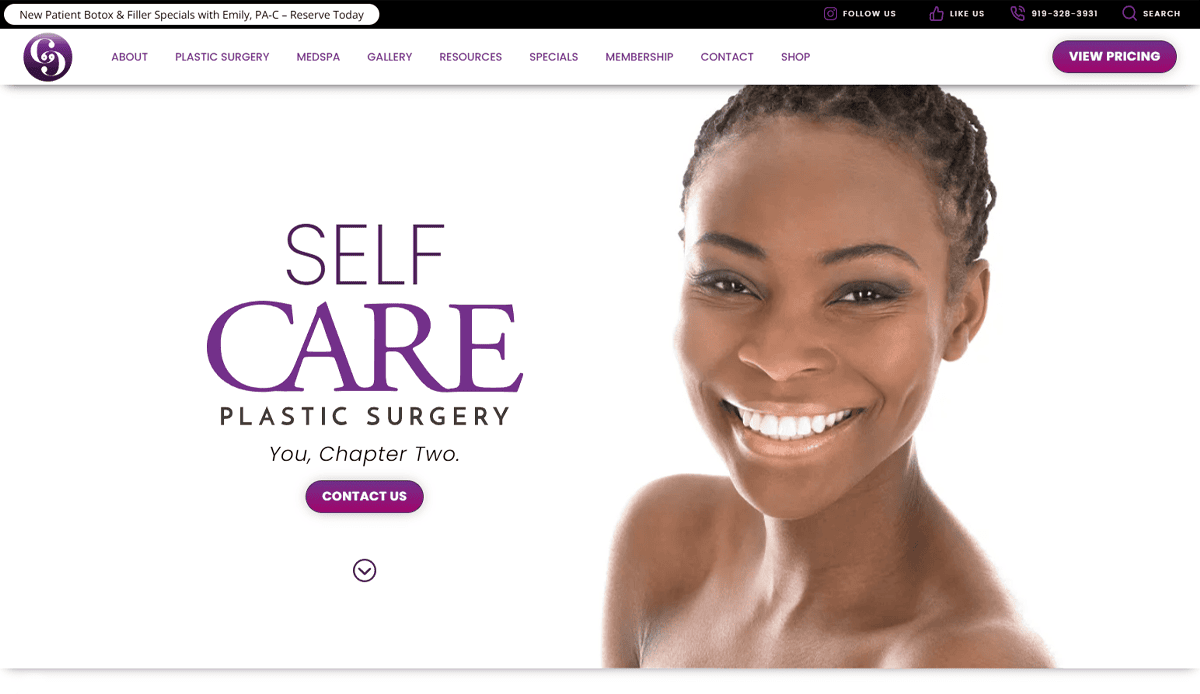
3. Care Plastic Surgery
Location: Chicago, IL
- Bold contrast in the color palette draws attention to CTAs and key content.
- Strong social proof: awards, testimonials, and procedure outcomes.
- Built-in blog supports content marketing and SEO authority.
URL: careplasticsurgery.com
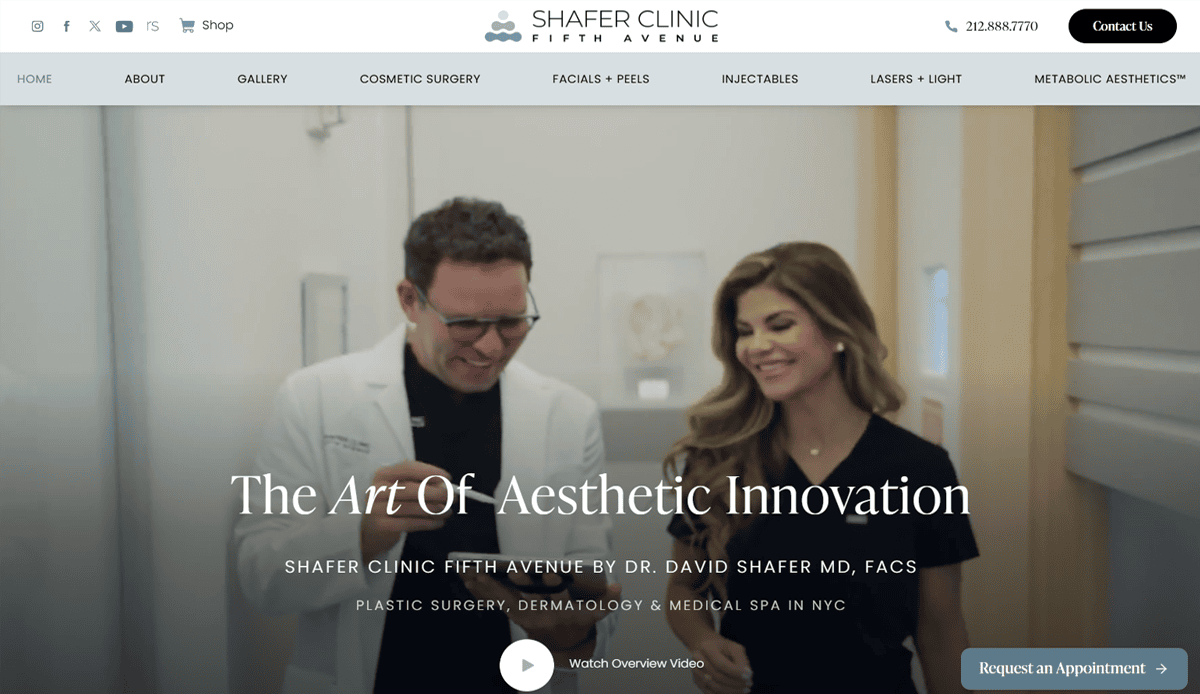
4. Shafer Clinic Fifth Avenue
Location: New York, NY
- Visually arresting animations and high-quality imagery.
- User-friendly page layouts support effortless action steps.
- Emphasis on patient stories and practice credibility.
URL: shaferplasticsurgery.com

5. Visage Facial Surgery
Location: San Francisco, CA
- Elegant black‑and‑gold design conveys premium branding.
- Interactive features: chatbots, booking for 3D simulation or video consultation.
- Visual hierarchy and CTAs are expertly placed.
URL: visagefacialsurgery.com
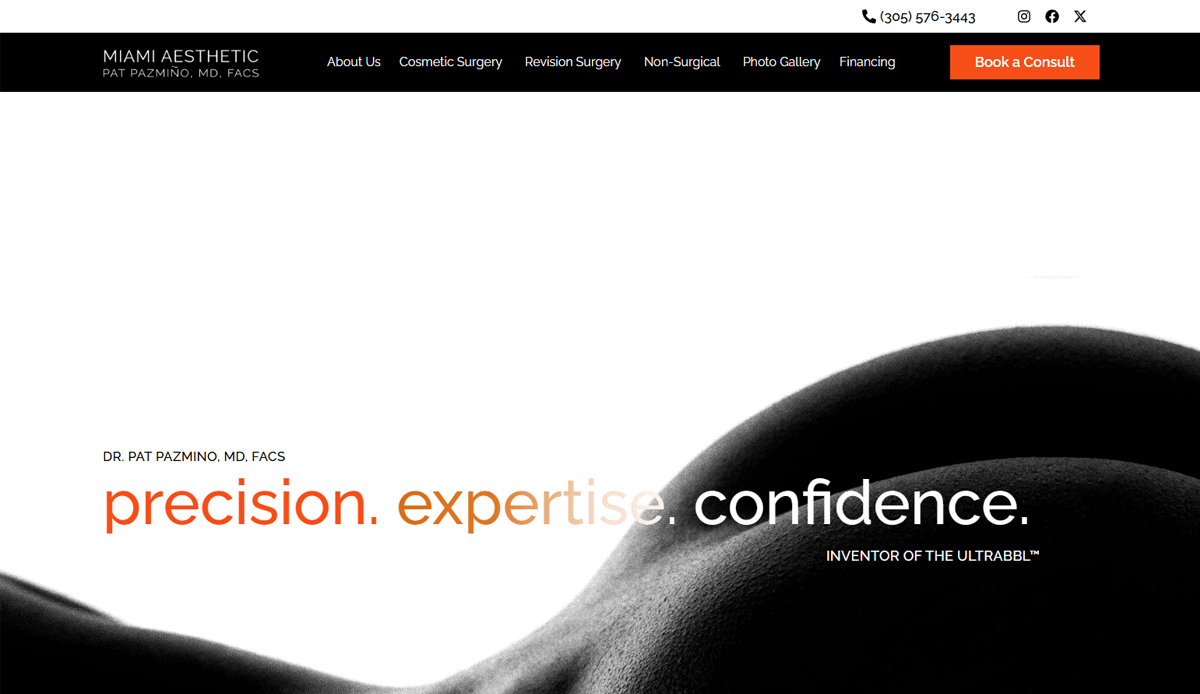
6. Miami Aesthetic
Location: Miami, FL
- Bold visuals and modern typography enhance a premium feel.
- Before-and-after sliders build trust and credibility.
- Straightforward menu options keep potential patients on track.
URL: miamiaesthetic.com
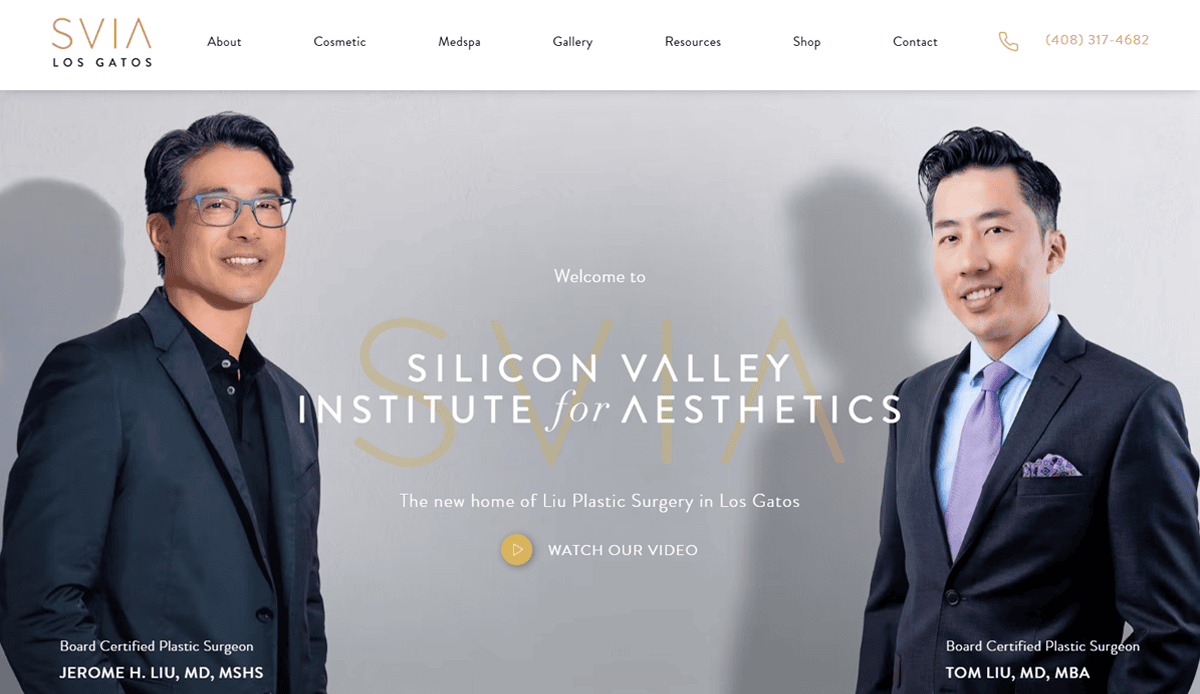
7. Liu Plastic Surgery
Location: Cupertino, CA
- Clean minimalist layout and elegant typography.
- High-resolution visuals reinforce a professional image.
- Well-placed CTAs and intuitive navigation.
URL: liuplasticsurgery.com

8. Bellevue Aesthetic
Location: Bellevue, WA
- Earth-tone palette creates a calming patient experience.
- Online booking and multilingual support boost accessibility.
- Rich procedure descriptions and visual proof.
URL: bellevue-aesthetic.de

9. The Oaks Plastic Surgery
Location: Oakland, CA
- Fast-access CTA buttons enable immediate patient engagement.
- Bold design and clean layout foster trust.
- Structured to guide visitors to the consultation easily.
URL: theoaksplasticsurgery.com
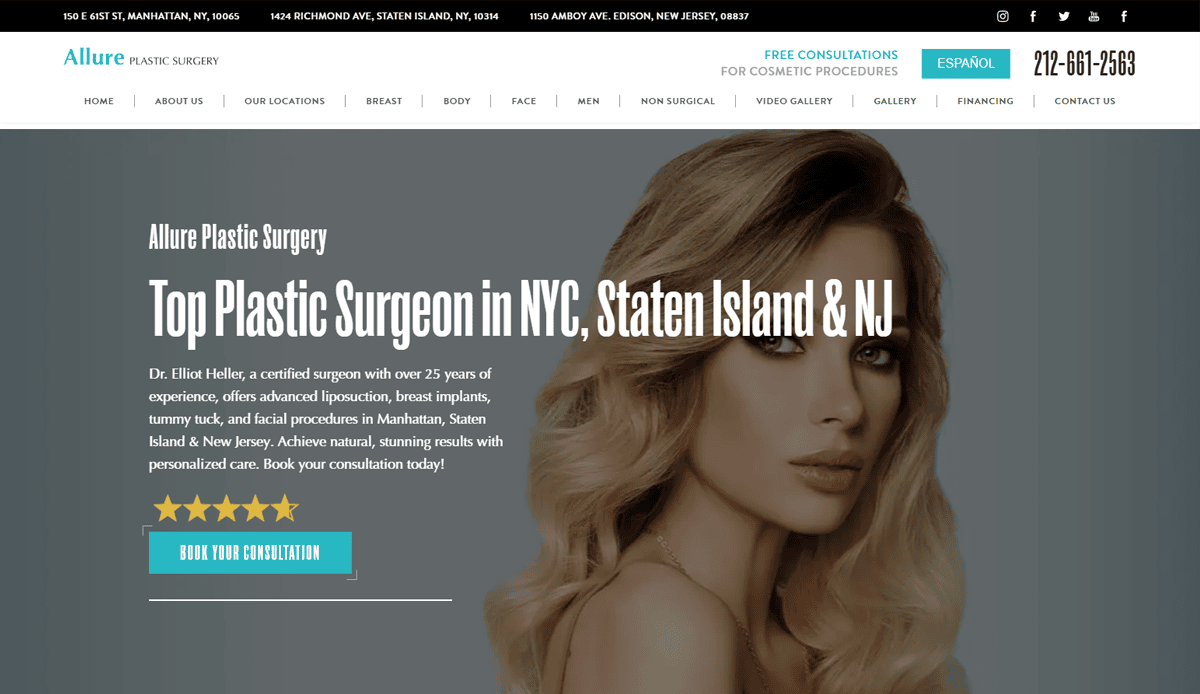
10. Allure Plastic Surgery
Location: New York, NY
- Strong visual focus with large imagery and elegant fonts.
- Effective page hierarchy for enhanced readability.
- Clear service presentation supports quick decision-making.
URL: newyorkplasticsurgeryallure.com

11. CG Cosmetic Surgery
Location: San Diego, CA
- Dropdown menu streamlines access to procedure categories.
- Large visuals emphasize practice quality and outcomes.
- Balanced design ensures a smooth browsing experience.
URL: cgcosmetic.com
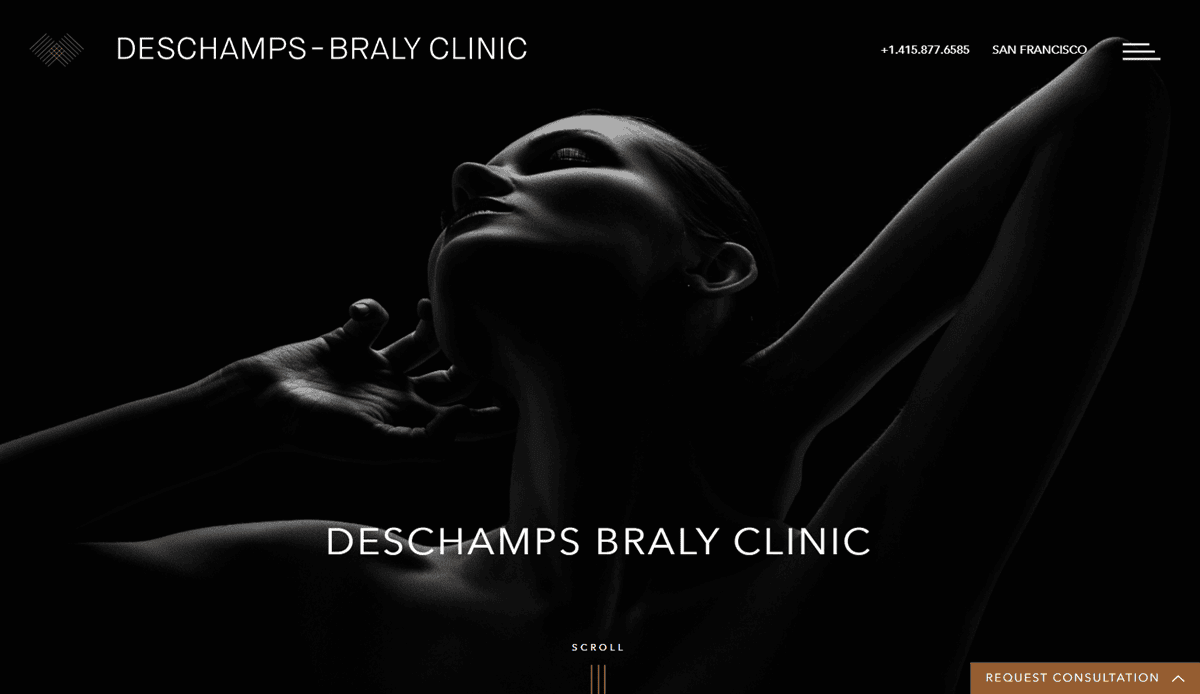
12. Deschamps-Braly Clinic
Location: San Francisco, CA
- Elegant dark color scheme and animated transitions.
- Parallax scrolling enhances storytelling.
- Clean structure for intuitive layout.
URL: deschamps-braly.com

13. Line Plastic Surgery Center
Location: New York, NY
- High-quality visuals paired with functional design.
- Promotional thumbnails highlight services and pricing.
- Minimalist layout keeps focus on conversions.
URL: lineps.com
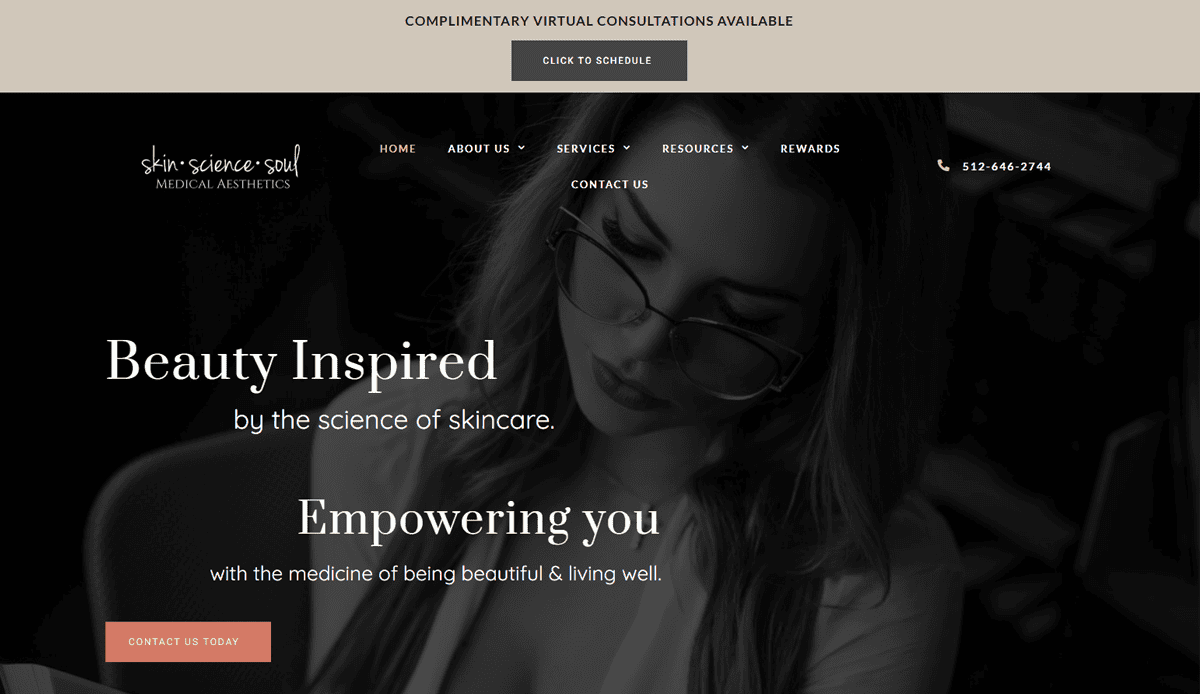
14. Skin Science Soul
Location: Chicago, IL
- Elegant monochrome photography sets a professional tone.
- Client testimonials reinforce credibility.
- Focused design with contractive content placement.
URL: skinsciencesoul.com
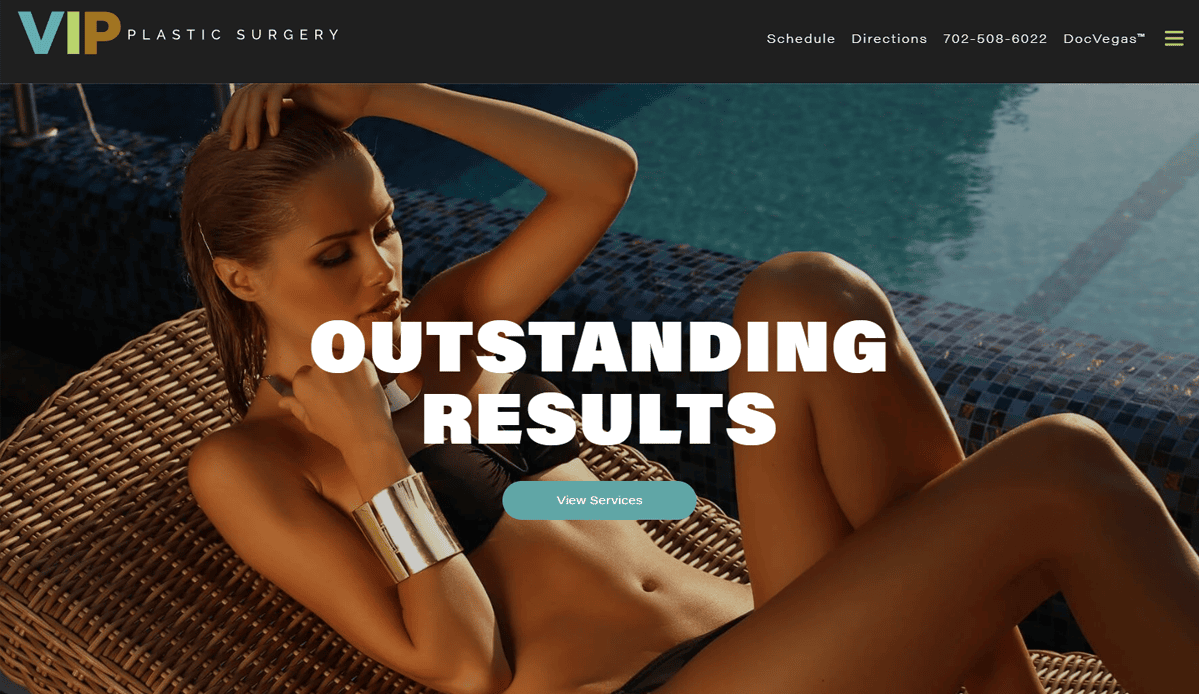
15. VIP Plastic Surgery
Location: Beverly Hills, CA
- Captivating hero video anchors the homepage.
- Bold typography and visuals create a luxury experience.
- Conversion-focused design supports booking.
URL: vipplasticsurgery.com

16. Donaldson Plastic Surgery
Location: Columbus, OH
- Modern design with soft color palette and calming visuals.
- Patient education is prioritized with FAQ and detailed service pages.
- Seamless navigation and consistent layout enhance user experience.
URL: donaldsonplasticsurgery.com
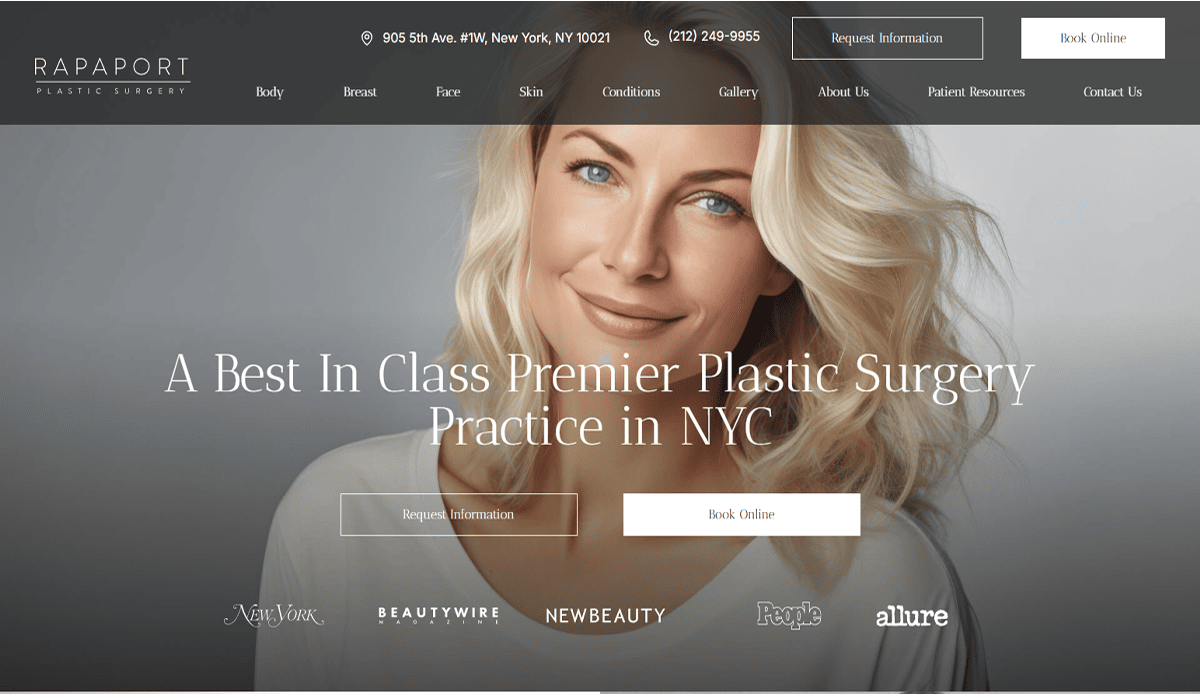
17. Rapaport Plastic Surgery
Location: New York, NY
- Service categories are segmented clearly for ease of use.
- Trendy design aesthetic resonates with the target audience.
- Structured content hierarchy supports engagement.
URL: parkavenueplasticsurgeon.com

18. James Brady Plastic Surgery
Location: Los Angeles, CA
- Embedded intro video boosts personal connection.
- Well-placed testimonials before the footer reinforce trust.
- Organized layout balances visuals and info flow.
URL: drzarrabi.com
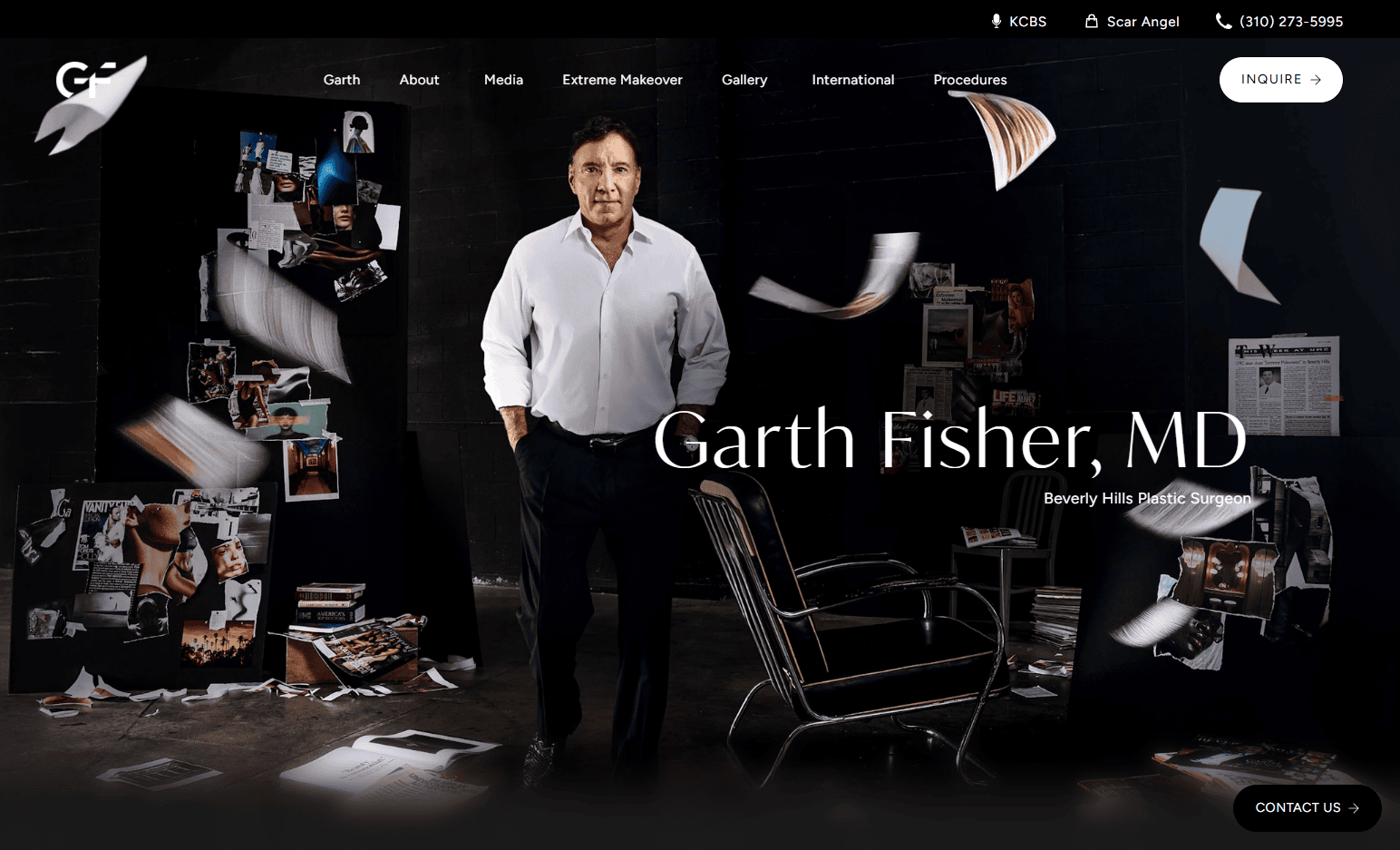
19. Garth Fisher Plastic Surgery
Location: Beverly Hills, CA
- Celebrity reputation reflected in polished website design.
- High-end aesthetics align with clientele expectations.
- Simple navigation and premium visuals.
URL: garthfisher.com
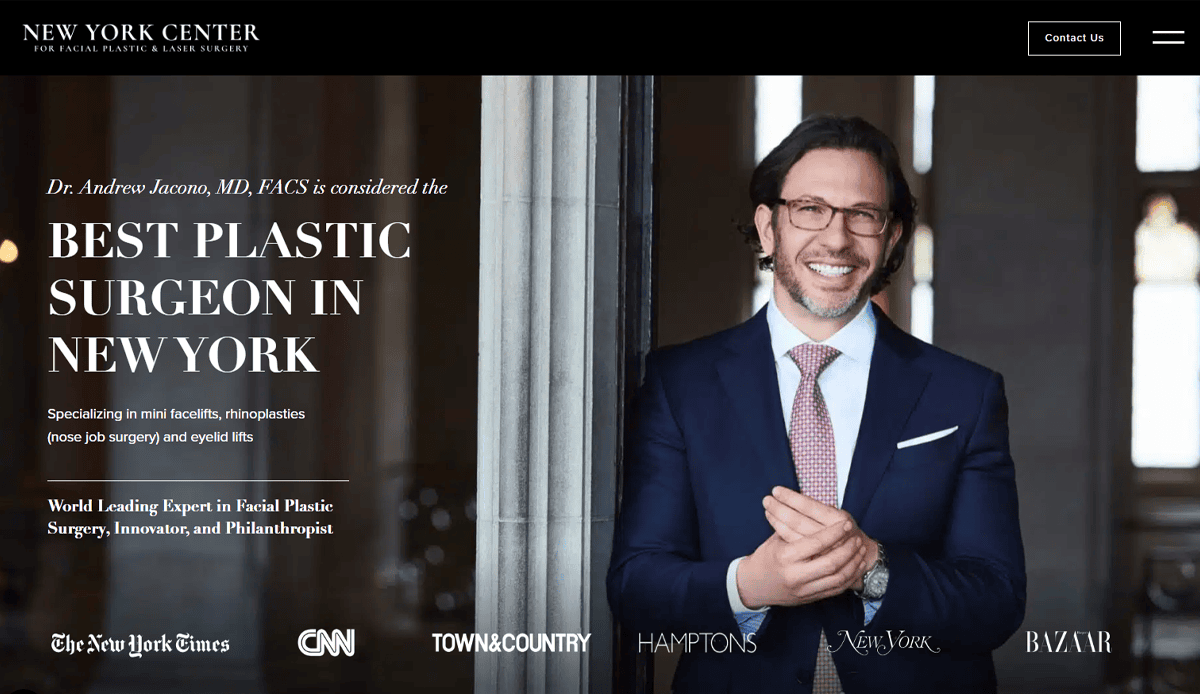
20. Andrew A. Jacono
Location: New York, NY
- Authority-driven design matches his minimal access facelift specialty.
- Clean presentation of credentials and procedure details.
- Structured site for quick access to patient resources.
URL: newyorkfacialplasticsurgery.com
Take the Next Step Toward a High-Performing Surgery Practice Website
Your website is often the first experience new patients have with your cosmetic surgery practice. Today, a responsive web design paired with effective website design strategies does more than reflect your professionalism—it builds trust, supports surgical marketing, and increases patient engagement. A good website doesn’t just attract visitors; it converts them.
If you’re ready to ensure that your website reflects the essence of your practice and turns visitors into patients, the right website starts with the right team. Our top-tier digital marketing agency specializes in websites for plastic surgeons that deliver results through custom design and expert development.
Schedule a consultation with our experts today to begin crafting a user-friendly website that drives real growth for your cosmetic surgery practice.
Cosmetic Practice Website Design Frequently Asked Questions
What makes a good plastic surgery website design?
A good website for your practice prioritizes trust, clarity, and ease of navigation. It should include before-and-after galleries, clear calls to action, and reflect the essence of your practice. Responsive web design and a mobile-friendly experience are essential in this digital age.
How often should I update my plastic surgeon website?
Your plastic surgeon’s website should undergo updates at least quarterly. Regular updates help maintain SEO performance, reflect current cosmetic procedures, and ensure that your website remains secure and visually modern.
Do I need a responsive design for my cosmetic surgery practice site?
Yes. Responsive website design is critical for user experience and SEO. Most new patients will visit your website from mobile devices. Responsive design ensures your surgery site displays correctly and is easy to navigate on any screen size.
How does content marketing help my surgery practice website?
Content marketing improves SEO, builds trust, and educates website visitors. Publishing articles on cosmetic procedures or recovery tips creates an online presence that resonates with searchers. See examples in our guide to the 25 best medical practice websites.
What role does social media marketing play in driving traffic to my site?
Social media marketing supports effective marketing by increasing visibility and engagement. It can guide traffic to your cosmetic surgeon’s website and help reinforce your brand message when integrated with your website development strategy.
What are the most important pages for a cosmetic surgery practice website?
Key web pages include Home, About the Surgeon, Services (cosmetic procedures), Before-and-After Gallery, FAQs, Testimonials, and Contact. Each page should have a clear user journey leading to a call to action.
Can you show examples of top-performing plastic surgeon websites?
Yes. For inspiration, view our breakdown of the best plastic surgeon website designs and how they implement effective website design principles that align with our current digital landscape.
How can web designers make my website reflect my brand?
Professional web designers ensure that your website reflects the tone, visual identity, and trustworthiness of your cosmetic surgery clinic. Elements like colors, fonts, and layout all contribute to conveying the essence of your practice.
What makes website maintenance important in the plastic surgery industry?
The website may take on patient communications, booking forms, and host sensitive content. Routine maintenance ensures fast load times, secure web pages, and prevents costly downtime—key aspects in the plastic surgery industry.
How do I know if my website is effective?
Track metrics like web traffic, bounce rates, conversions, and time on site. An effective plastic surgery website will show consistent lead growth and engagement. Want inspiration? Check out our roundup of the best dermatology website designs for comparison.